
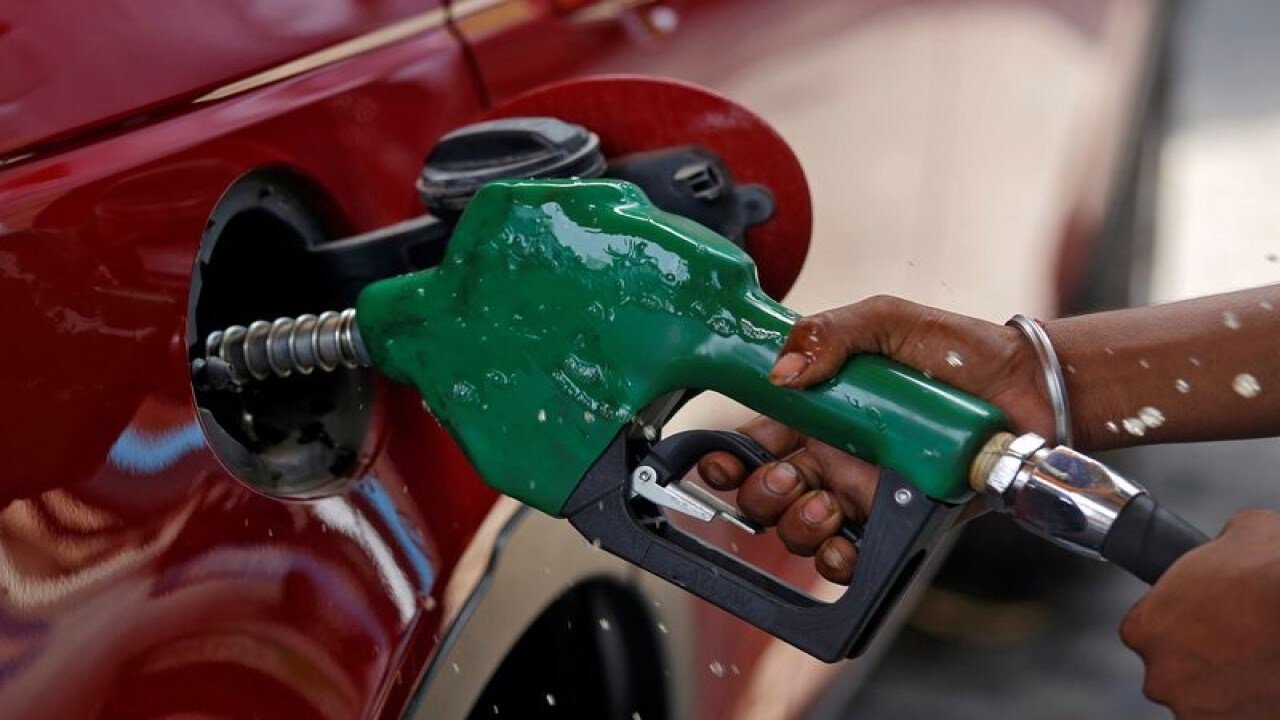

When petrol prices go up, most people think it only affects what they spend at fuel stations. But here’s the truth — rising fuel costs quietly raise the price of almost everything we use, from vegetables to smartphones. In a country like India, where transportation plays a massive role in daily trade and logistics, every hike in petrol impacts the entire supply chain.
Every product you buy travels through multiple stages before it reaches you — from the manufacturer to the wholesaler, then to the retailer. Each of these steps involves transportation costs. So when petrol prices increase, delivery trucks, cargo vehicles, and even two-wheelers used by small businesses spend more on fuel. This cost is eventually passed on to consumers.
Take something as simple as vegetables. Farmers transport their produce to mandis, often miles away. If fuel prices rise, their transportation expenses go up, and so do the wholesale and retail prices. The same logic applies to goods in supermarkets, online deliveries, and even local grocery items. For manufacturers, the cost of raw material movement, packaging, and distribution also becomes more expensive.
Petrol prices also affect services indirectly. When businesses spend more on fuel, their overall operational costs rise. This can push up prices in sectors like e-commerce, tourism, and logistics. Even public transport fares often adjust in response to fuel fluctuations, influencing how people commute and spend daily.
In Tier 2 and Tier 3 cities, the effect feels sharper. Many small traders, delivery agents, and transporters depend on two-wheelers or small vans. A small change in petrol cost can make a noticeable difference to their monthly income, forcing them to raise prices or cut corners.
What this really means is that petrol isn’t just fuel — it’s the backbone of India’s economy. Its price determines how smoothly goods move, how businesses operate, and how affordable life remains for the average citizen.
When petrol prices rise, inflation doesn’t take long to follow. And that’s why, in India, the cost of fuel is much more than just a number at the pump — it’s a signal of how expensive tomorrow might become.