
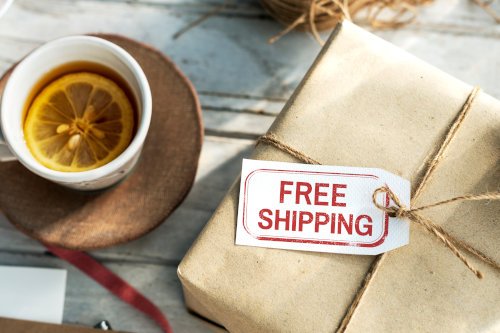

Every time we click “free delivery,” it feels like a small win. But someone, somewhere, is paying for it. The promise of free shipping has become a major hook in online shopping, yet the hidden costs behind it—environmental strain, labor exploitation, and small business losses—tell a different story. What seems free to customers often shifts the burden onto workers and the planet.
E-commerce giants offer free shipping to attract buyers and build loyalty, but the economics rarely add up cleanly. The delivery costs don’t disappear—they’re absorbed through reduced margins, inflated product prices, or overworked delivery staff. For smaller sellers, matching these “free” offers is nearly impossible. Many local businesses lose out because they can’t afford to compete with such deep-pocketed logistics models.
The environmental impact is another silent expense. Each individual delivery adds to packaging waste, vehicle emissions, and traffic congestion. The faster the delivery promise, the less efficient the process becomes. Instead of consolidated shipments, multiple small trips are made, burning more fuel for the sake of speed and convenience.
In Tier 2 cities, where online shopping is rapidly expanding, free shipping is reshaping how people buy—encouraging impulse purchases and unsustainable consumption. Meanwhile, delivery workers face growing pressure to fulfill unrealistic deadlines, often without fair compensation or safety measures.
The truth is, there’s no such thing as free shipping. Either the seller, the worker, or the environment ends up paying for it. As consumers, it’s time we understand that convenience isn’t truly free—it just hides its cost well.