
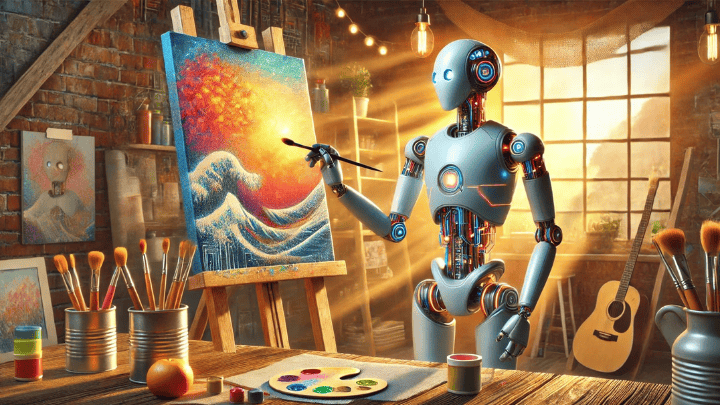

Artificial intelligence has stepped into the world of creativity, and it’s changing everything. From digital paintings to music and film scripts, AI tools are now producing work that rivals human imagination. Artists and designers, once the sole creators of visual and emotional expression, are now sharing space with algorithms that can generate artwork in seconds.
What makes AI-generated art powerful is its accessibility. Anyone with a laptop can create stunning visuals using tools like Midjourney or DALL·E without formal training. This democratization has opened new opportunities for small businesses, digital creators, and marketers who once couldn’t afford professional design services. However, it also raises serious concerns about originality and creative ownership.
In India, the impact is visible in freelance markets and advertising agencies. Designers in Tier 2 cities are experimenting with AI to boost productivity, but some fear being replaced as clients prefer faster, cheaper results. The debate now centers on whether AI should be seen as a creative partner or a competitor stealing the spotlight from human talent.
While AI can mimic style and precision, it lacks human emotion and intent. True art often comes from lived experiences—something no algorithm can replicate. The future of creative industries will likely rely on collaboration, where AI handles execution and humans bring meaning, vision, and heart.
AI isn’t killing creativity; it’s redefining it. The challenge ahead lies in balancing innovation with integrity, ensuring that technology enhances human imagination rather than replaces it.