
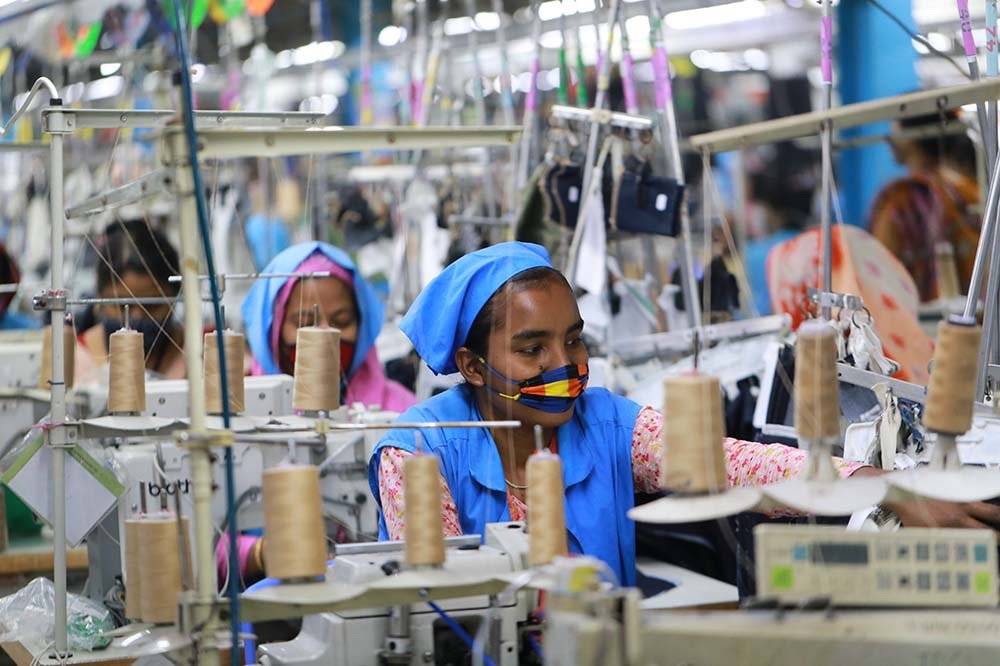

India’s textile industry is known worldwide for its vibrant fabrics and affordable fashion, but behind the glamour lies a harsh reality. Millions of workers, often from rural areas and marginalized communities, face long hours, low wages, and unsafe working conditions. While consumers enjoy inexpensive clothing, the human cost of producing these garments remains largely hidden, raising pressing questions about ethics and sustainability.
The textile sector employs over 45 million people, making it one of the largest employers in India. However, a significant portion of the workforce is informal, lacking social security, proper contracts, or health benefits. Many workers, including women and children, toil in crowded factories where safety standards are often neglected. This exploitation allows brands to offer clothes at rock-bottom prices but leaves workers struggling to meet basic needs.
Low wages are only part of the problem. Workers frequently face exposure to hazardous chemicals, poorly ventilated spaces, and outdated machinery. Accidents and health issues are common, but reporting mechanisms are weak, and compensation is limited. Despite labor laws, enforcement is often lax, particularly in Tier-2 and rural areas where factories operate under minimal scrutiny.
The environmental impact of cheap fashion also indirectly affects these communities. Textile production consumes vast amounts of water and generates chemical-laden wastewater, polluting rivers and affecting agriculture-dependent populations. Workers living near industrial zones face daily exposure to pollution, compounding health risks.
Addressing these issues requires a combined effort from brands, consumers, and policymakers. Fair wages, safer work environments, and transparency in supply chains are critical. Consumer awareness can drive change by prioritizing ethically produced clothing, while stronger government oversight can ensure labor rights are respected.
The story of India’s textile workers is a reminder that cheap fashion carries hidden costs. What appears affordable on the rack is often paid for by human lives and health. Recognizing and addressing these realities is essential for creating a more ethical, sustainable, and just fashion industry in India