
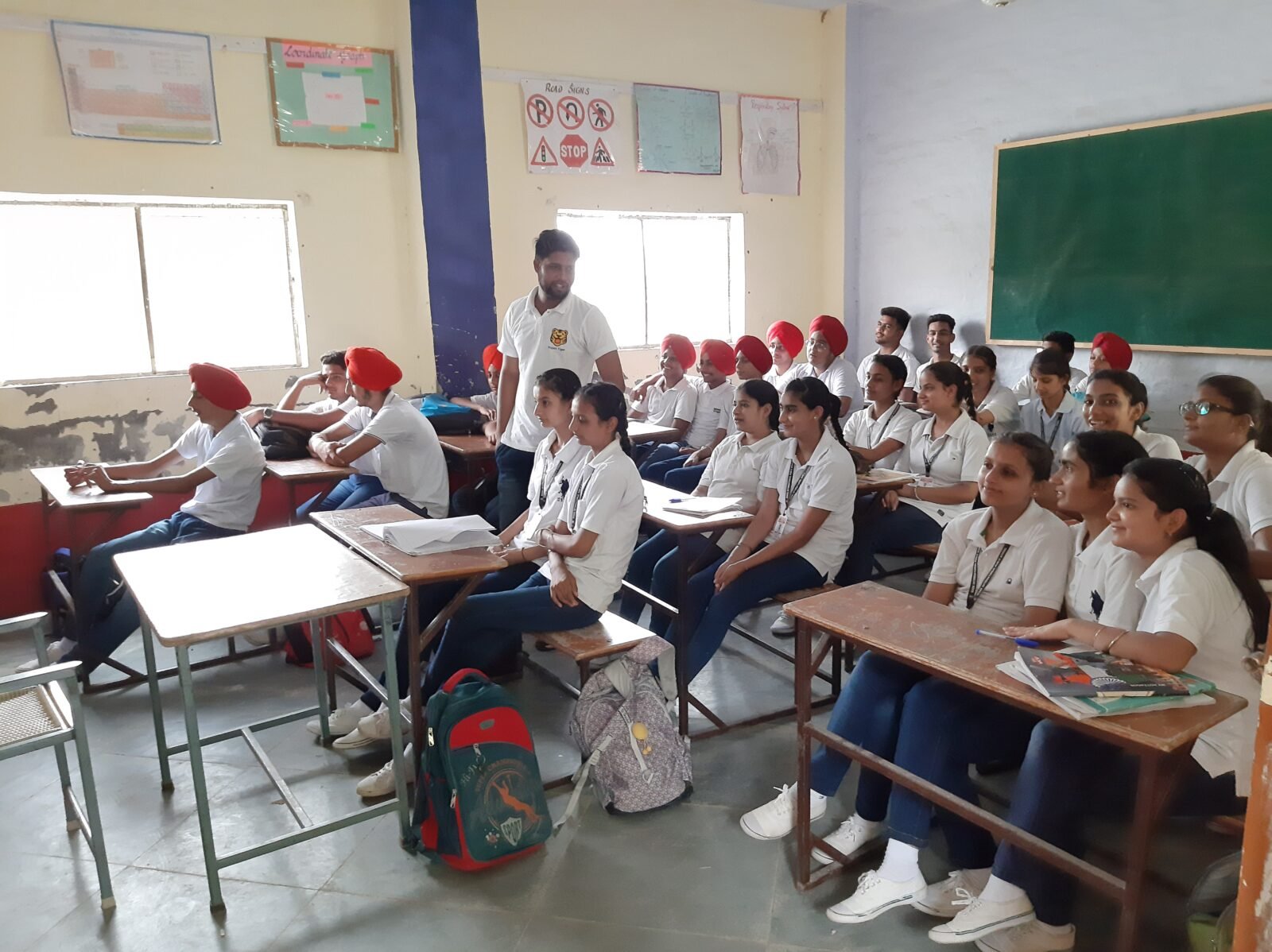

India’s education system, despite decades of reforms, continues to emphasize rote learning over critical thinking and creativity. Students in Tier-2 and smaller cities often feel the pressure to memorize textbooks and pass exams rather than explore innovative ideas. This approach produces high exam scores but may not equip young minds with the problem-solving skills needed in today’s rapidly evolving global economy.
From primary schools to universities, the curriculum heavily focuses on factual recall and standardized testing. While these methods ensure a basic understanding of subjects, they rarely encourage students to question, experiment, or apply knowledge in real-world scenarios. Projects, hands-on activities, and collaborative learning are often sidelined.
This system also affects career choices. Students are encouraged to pursue traditional paths like engineering, medicine, or accountancy, even if their passions lie elsewhere. Creativity and entrepreneurship are frequently considered secondary to academic grades, which can limit the country’s innovation potential.
In recent years, some initiatives and private institutions have introduced skill-based learning, coding programs, and experiential teaching methods. However, these are often accessible only to urban populations or well-funded schools, leaving many students in smaller towns behind.
For India to truly become a hub of innovation, the education system must shift from memorization to nurturing curiosity, experimentation, and creative problem-solving. Encouraging original thinking at all levels will help prepare students to face modern challenges with confidence and ingenuity.