
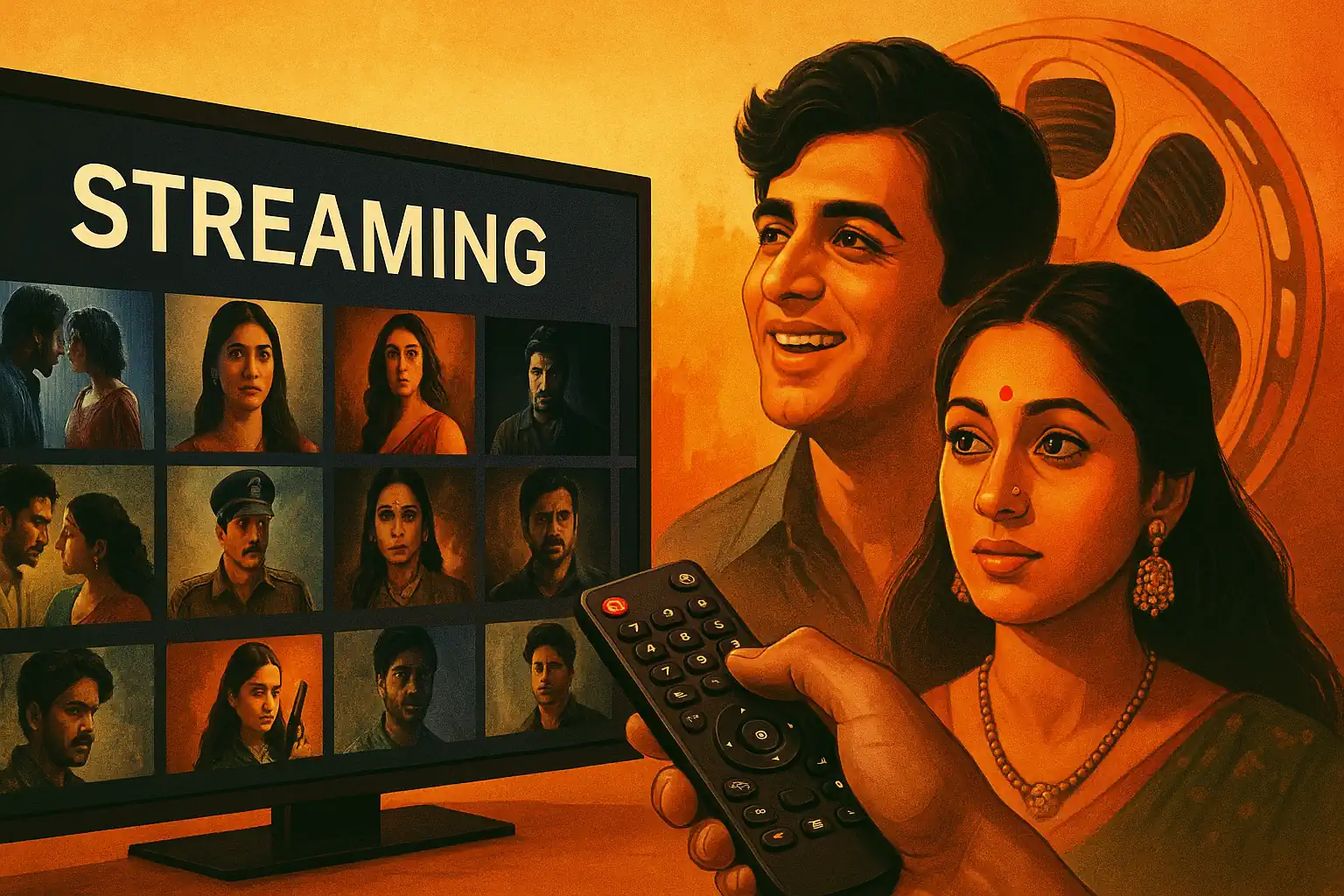

In recent years, youth in India’s Tier-2 and Tier-3 cities have been shifting their entertainment preferences from mainstream Bollywood cinema to regional content on streaming platforms. This transition reflects not just a change in viewing habits but a broader cultural shift in how young audiences engage with entertainment. With increasing access to smartphones, better internet connectivity, and the proliferation of regional content on OTT platforms, this trend is reshaping the Indian entertainment landscape.
This article delves into the factors driving this shift and what it means for the future of both Bollywood and regional content production in India.
1. Growing Access to Digital Platforms
The rise of affordable smartphones and high-speed internet has significantly impacted the way youth in smaller towns consume media. Streaming services like Netflix, Amazon Prime Video, and regional players such as Zee5 and Hotstar offer a vast library of content in multiple languages, making it easier for young viewers to access regional films and shows. This convenience, combined with the ability to watch content at their own pace, has driven many young people to opt for streaming-first regional content instead of traditional Bollywood films.
In addition to this, many regional platforms are offering exclusive content that resonates more with local culture and language, attracting audiences who feel more connected to the narratives. This shift is particularly visible in cities like Jaipur, Bhopal, and Surat, where audiences are increasingly tuning into regional films and series.
2. The Appeal of Relatable and Authentic Storytelling
One of the key reasons why youth from Tier-2 and Tier-3 cities are moving away from Bollywood and gravitating towards regional content is the relatability factor. Bollywood films, which often focus on universal themes, have begun to feel disconnected from the realities and everyday lives of young people in smaller towns. On the other hand, regional content tends to feature local dialects, social issues, and settings that are familiar to these viewers.
For example, films and web series in languages like Tamil, Telugu, Marathi, and Bengali often explore subjects that directly impact these regions—whether it’s small-town struggles, family dynamics, or regional politics. This authentic portrayal of life resonates strongly with audiences who feel their experiences are better represented in regional content than in the stylized, often unrealistic narratives of Bollywood films.
3. Regional Content and Cultural Identity
Another important aspect of the shift is the growing sense of cultural pride and identity. As India becomes more diverse in its entertainment choices, regional language films and shows are fostering a stronger connection to local culture. Young viewers are increasingly embracing their cultural heritage through films that portray their traditions, customs, and languages. This cultural connection not only helps preserve local identities but also empowers regional content creators to explore niche topics that may have been previously overlooked by mainstream Bollywood.
This cultural resurgence is evident in the success of regional-language films, where the youth of smaller towns are not just passive consumers, but active participants, engaging in conversations about their cultural narratives and helping these films gain national and international recognition.
4. The Impact of Content Availability and Affordability
Streaming services are also playing a major role in making regional content more accessible and affordable. With the rise of affordable data plans and streaming subscriptions, young people in Tier-2 and Tier-3 cities no longer need to rely on cinema halls for a theatrical release. Instead, they can watch their favorite shows or movies on-demand, eliminating the need to wait for months for a film to hit theatres or TV screens.
OTT platforms also offer various pricing models, making it easy for viewers in smaller towns to subscribe to regional content. This democratization of content is allowing regional cinema to compete with Bollywood on a level playing field, further encouraging the youth to make the switch to local entertainment.
5. The Influence of Social Media and Word of Mouth
Social media platforms like Instagram, Twitter, and YouTube have become significant drivers of regional content consumption. Influencers and content creators often highlight regional films, and youth from Tier-2 and Tier-3 cities are influenced by these digital trends. As conversations around regional content grow on these platforms, more young people are exposed to the diverse range of films available in their native languages.
The organic growth of these regional content communities has also created a ripple effect where one person’s positive experience with a show or film quickly spreads to others. This word-of-mouth marketing has proven to be particularly effective in smaller towns, where communities often share cultural interests and preferences.
Takeaways
- Access to digital platforms: Affordable smartphones and high-speed internet are making regional content more accessible in Tier-2 and Tier-3 cities.
- Relatability and authenticity: Regional content offers more relatable and authentic storytelling that resonates with youth in smaller towns.
- Cultural identity: Regional films and shows are fostering a sense of cultural pride, encouraging young people to engage with local content.
- Affordable and convenient: Streaming platforms have made regional content affordable and easy to access, further encouraging its consumption.
FAQs
Q1: Why are youth in Tier-2 and Tier-3 cities switching from Bollywood to regional content?
Youth are shifting to regional content because it is more relatable, authentic, and reflective of their cultural identity. They find regional films and series to be closer to their everyday lives and social realities.
Q2: How are streaming platforms influencing the consumption of regional content?
Streaming platforms provide easy access to regional content, making it affordable and convenient. This enables youth to watch films and shows in their native languages at their own pace, driving the shift away from Bollywood.
Q3: What role does social media play in this shift?
Social media has become a powerful tool in spreading the word about regional content. Influencers and digital creators help introduce regional films to a broader audience, encouraging more youth to explore these options.
Q4: Are regional films becoming more popular in international markets?
Yes, regional films are gaining popularity both nationally and internationally, with more viewers from outside India tuning into local content. The success of regional films on international streaming platforms is helping them reach global audiences