
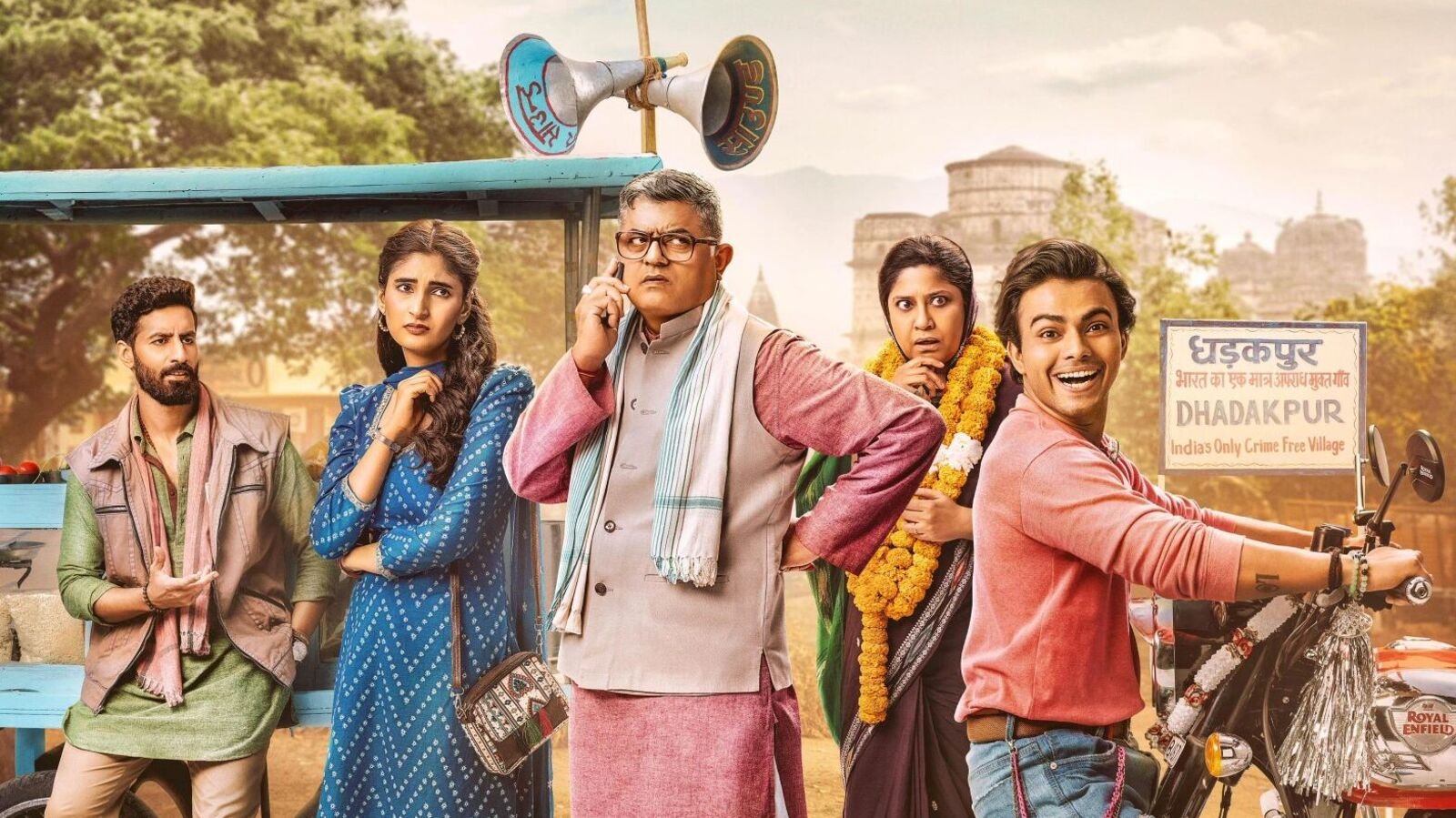

The main keyword Dupahiya captures a web-series that centres on a small-town Indian village and explores life outside the urban mainstream. For audiences in non-metro India, the show’s backdrop, characters and storytelling style reflect local realities—making it a cultural touchpoint.
Setting the Scene: Village Life as Lead Character
Dupahiya is set in the fictional village of Dhadakpur, a place that claims 25 years of no crime — until a prized motorbike goes missing just days before a wedding. The small-town setting forms the core of the story rather than being a backdrop. By focusing on communal life, local politics, weddings, expectations and the lens of “everyone knows everyone,” the series gives viewers in smaller towns real reflections of their own world.
From rural dialects, grand-but-economy weddings, familial pressure to qualify for city jobs or marry well, the series builds authenticity. It allows audiences in Tier 2 and Tier 3 towns to feel represented rather than alienated by city-centric narratives.
The Appeal to Non-Metro Audiences
Secondary keyword: regional audience storytelling
Small-city and rural viewers are increasingly rejecting metropolitan over-tones and instead gravitating to stories rooted in local culture. Dupahiya meets that demand with its village setting, ensemble cast of relatable characters and comedic sensibility. The plot-device of a dowry-motorbike theft becomes a metaphor for aspirations, reputation and the tension between tradition and change.
For non-metro viewers, this offers two advantages: recognition (I know that place, I know those conflicts) and escape (I want to see how it plays out). The language, mannerisms and story arcs are accessible. This accessibility drives engagement and word-of-mouth in smaller cities and towns, and helps OTT platforms expand their footprint beyond major metros.
Production & Format Choices That Fit Smaller-City Viewing
Secondary keyword: OTT format small-town India
Dupahiya’s episodic structure (nine episodes of around 30-40 minutes) suits multi-session viewing rather than a single binge—important where internet bandwidth may be unstable. The show uses familiar genres: comedy, family drama, light thriller. It doesn’t demand high fashion-look, high glam settings; instead, it uses village courtyards, buses, market lanes and local wedding scenes.
Its release on a major OTT platform means non-metro viewers can access it via smartphone or TV if the connection allows (download options, adaptive streaming). The marketing emphasised the village’s “crime-free” pride and its sudden disruption — simple, catchy hooks for social media in smaller cities and towns.
Cultural Significance & Broader Trends
Secondary keyword: small-town stories Indian OTT
The success of Dupahiya fits into a broader shift: OTT platforms increasingly investing in small-town and regional stories, recognising the huge viewer base beyond metros. For non-metro India this means more representation of their lives on screen, and for the industry it means untapped markets and growth.
Moreover, the series’ themes—aspiration, community pressure, urban migration, local power dynamics—resonate across many smaller cities. The motorcycle theft is not just comic plot—it symbolises mobility, modernity, desire for more (the bike, the upgraded wedding, the newer life). These are universal in non-metro India today.
What to Watch For While Streaming
Secondary keyword: watch duplication themes non metropolitan
While watching Dupahiya, look out for:
• How the village reputation matters socially and how it’s threatened (status shift)
• The role of weddings and dowry as social currency in smaller towns
• Characters who straddle two worlds (village roots + city dreams)
• The presence of local politics and community reputation—not just individual storylines
These elements mirror many real towns. For industry watchers, it’s a case-study in how small-town setting can become central to storytelling rather than peripheral.
Takeaways
• Dupahiya is a web-series rooted in a small-town village setting that aligns strongly with non-metro Indian viewers.
• It appeals via localised storytelling, accessible format and relatable characters, helping fill a content gap in smaller cities.
• The production and release strategy reflects the viewing habits of Tier 2/3 towns—shorter episodes, smartphone friendly, social-buzz oriented.
• For viewers in non-metro India, the show shows not just villages on screen, but aspirations, tensions and transitions relevant to everyday life.
FAQ
Q. Is Dupahiya only for rural audiences?
A. No. While rooted in village life, its themes of ambition, family pressure and reputation appeal to broader non-metro and even metro audiences who grew up in smaller towns.
Q. Will the show work if I live in a city?
A. Yes. City viewers interested in fresh settings, regional flavours or Indian stories beyond big city life may find it refreshing and authentic.
Q. Does the series require watching subtitles or knowing a dialect?
A. It’s in Hindi with regional flavour; major dialogues are understandable. It retains local dialect cues but not to the extent of alienating non-locals.
Q. What time investment is required?
A. Around nine episodes of roughly 30-40 minutes each—so under six hours. It’s manageable and suits viewing in breaks, evenings or across days.