
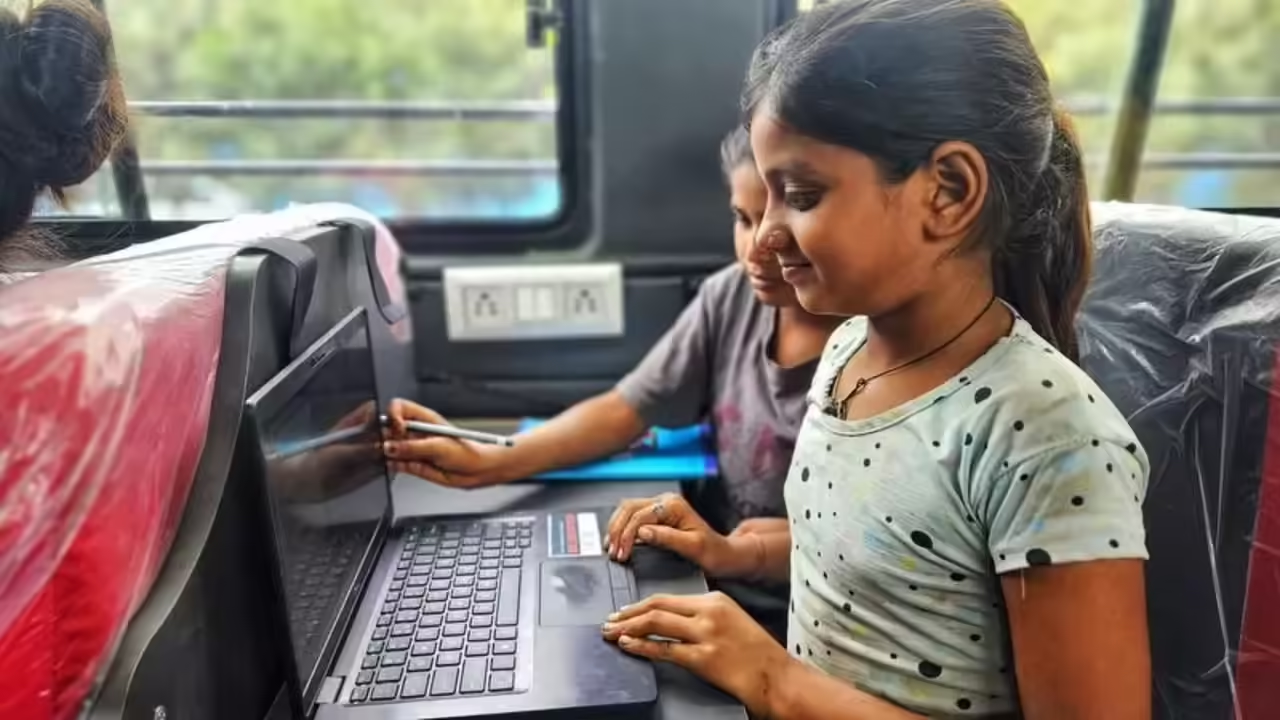

Youth in non metro India are navigating a complex shift as digital careers become mainstream. The main keyword youth non metro India digital careers reflects how Tier 2 and Tier 3 towns are producing a new generation of creators, freelancers, coders and gig professionals while still operating within traditional family expectations and social norms.
How digital careers became mainstream in smaller cities
Secondary keyword: digital work opportunities Tier 2 India
The rise of affordable smartphones, widespread 4G access and remote work opportunities has opened the digital economy to youth outside metros. They can now become content creators, designers, coders, social media managers, customer support agents or freelancers without relocating.
Companies that once hired exclusively from metros now run distributed teams. Training platforms provide low cost upskilling in coding, editing, digital marketing and finance. This shift lets young people build careers previously unimaginable in their towns. For many, digital work represents independence, creative freedom and faster income growth.
The weight of cultural expectations and family roles
Secondary keyword: traditional norms smaller cities
Despite new opportunities, youth in small cities operate within strong family structures. Parents often expect stable jobs, fixed salaries and conventional career paths such as government employment or engineering. Traditional norms around marriage timelines, gender roles and family responsibilities continue to shape decisions.
Young professionals pursuing digital careers face questions about stability, legitimacy and long term security. The lack of visible role models in local communities increases pressure. Many balance daytime family expectations while building digital careers late at night, navigating two parallel worlds.
Why freelance and gig roles appeal to smaller city youth
Secondary keyword: freelance economy non metro
Freelancing offers flexible schedules, quicker income and the ability to work from home. Youth can take global projects through platforms that require only skill and consistent output.
For women in smaller towns, freelancing provides a path to financial independence without conflicting with household responsibilities. For students, it becomes a way to build experience before graduation.
This gig driven model suits the pace of non metro life. However it demands self discipline, client management and long term planning, which many youth must learn on the job without structured guidance.
Community perception and the legitimacy challenge
Secondary keyword: career acceptance Tier 2
Digital careers still lack social recognition in many towns. Families often equate physical offices with “real jobs,” making online work seem temporary or unserious.
Youth balance this perception gap by showcasing income stability, sharing client testimonials or securing hybrid roles that mix office and online work. As digital careers become more visible through local influencers, e commerce sellers and remote tech employees, acceptance is slowly improving.
Success stories help shift community understanding, especially when young professionals start contributing meaningfully to household income.
Balancing modern ambition with traditional responsibilities
Secondary keyword: ambition vs expectation India
Youth in non metro regions carefully negotiate ambition with family priorities. Many delay relocations, marriage decisions or lifestyle changes to avoid conflict.
Others structure their digital work around family schedules, taking projects during off hours. Managing this balance requires planning, emotional intelligence and resilience.
The tension reduces over time as families see tangible benefits like steady income, professional growth and new social mobility. Digital careers also allow youth to stay close to parents rather than moving to distant metros, which aligns with traditional expectations.
How skill development is reshaping youth confidence
Secondary keyword: upskilling smaller cities
Online upskilling platforms and affordable certification programmes have become major enablers. Youth can learn design, coding, AI tools, video editing, sales automation and English communication from anywhere.
This access builds confidence and reduces dependency on local job markets, which often lack large employers. Skilled youth can target global clients or remote first companies.
Confidence rises further when they secure their first project or job. As skill based hiring increases across industries, young professionals in smaller cities gain stronger bargaining power.
The road ahead: hybrid identities and evolving aspirations
Youth in non metro India are developing hybrid identities. They remain connected to traditional values while participating in a digital-first economy.
Their ambitions include building online businesses, scaling freelance income, learning advanced skills and contributing to household stability.
Over time, increasing digital exposure will reduce the conflict between career modernity and cultural expectations, creating a more balanced social environment where digital roles are normalised across generations.
Takeaways
Digital careers offer non metro youth new income paths, flexibility and global opportunities
Traditional expectations continue to influence career choices and long term decisions
Freelancing and remote work provide practical solutions in towns with limited job markets
Skill development is strengthening youth confidence and accelerating acceptance of digital careers
FAQ
Q. Why are digital careers growing so fast in smaller cities?
A. Affordable data, remote work, online training and global exposure make digital roles accessible to youth outside metros.
Q. Do families in small cities support digital careers?
A. Support is growing but still mixed. Acceptance increases when youth show stable earnings and long term potential.
Q. Which digital careers are most popular among non metro youth?
A. Content creation, coding, digital marketing, design, editing, virtual assistance and customer support roles are common choices.
Q. Can freelancing replace traditional full time jobs?
A. Yes, for skilled individuals. But freelancing requires discipline, client management and consistent upskilling to maintain income stability.