
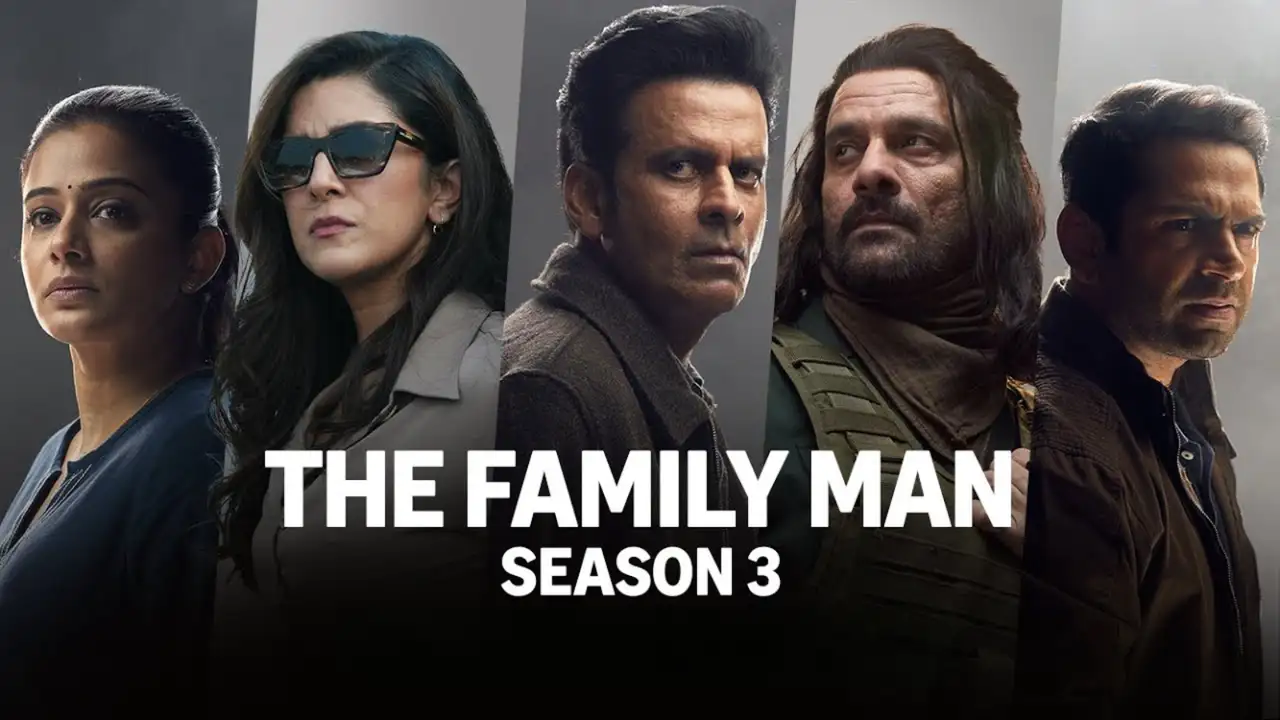

The release of The Family Man Season 3 on streaming platforms signals a deeper shift in India’s OTT viewership, especially in non-metro and smaller cities. The main keyword here is OTT viewership outside metros, reflecting how audiences beyond major urban centres are now critical to streaming growth.
The new season of The Family Man, starring Manoj Bajpayee, premieres at a moment when India’s streaming audience is diversifying rapidly. Smaller cities and Tier-2/3 towns are emerging as major consumption hubs for digital content. For OTT platforms, this means strategies must now pivot from metro-centric launch models to more inclusive audience engagement and regional localisations.
Sudden spike in OTT consumption beyond metros
While metros traditionally dominated OTT content uptake, recent data shows the story is changing. Streaming platforms now report stronger user growth from Tier-2 and Tier-3 cities, driven by improved internet connectivity, affordable smart TVs and mobile data plans. The Family Man Season 3 is poised to leverage this trend: the franchise already has nationwide recognition, so its release becomes a test case for how far digital content can penetrate smaller geographies. For instance, when major series drop, advertisers and platforms look at growth in non-metro subscriptions, viewing hours and engagement beyond metro hubs.
Content, language and resonance for smaller-city audiences
For audiences outside metros, the resonance of a show like The Family Man lies in its mix of local flavour and broad appeal. The series blends action, family drama and a middle-class protagonist whose dilemmas mirror many viewers’ lives. This duality matters for smaller cities: they like aspirational content but require relatable characters and core language (Hindi or regional dubs). OTT platforms recognising this are ensuring dubbed versions or subtitled options and regional marketing push. The Season 3 rollout thus signals a push to capture not just metros but real national consumption. Platforms will need to tailor release timing, regional marketing and streaming entry price for non-metro audiences.
Impact on platform strategies and monetisation
With viewership no longer concentrated in metros, OTT platforms must rethink monetisation and growth strategy. Subscription tiers, mobile plans, ad-supported models all need to adapt for smaller cities where price sensitivity is higher. The Family Man Season 3 serves as a key content asset: if engagement in non-metro regions is strong, platforms may prioritise region-specific launches, regional language versions and localised content spends. This shift could also influence release windows, promotional partnerships (local stores, telecom offers) and data plans. In effect, the show’s release is not just entertainment but a commercial lever for OTT growth in under-penetrated markets.
Challenges in sustaining growth in non-metros
Even as smaller cities open up as growth centres, three important challenges must be addressed. First, connectivity: though mobile data is affordable, stable broadband and smart TV penetration still lag in many areas. Buffering or low-quality streams can reduce user experience. Second, discoverability: streaming libraries are deep and users outside metros may lack awareness of new releases or platforms, so strong marketing is needed. Third, payment and subscription barriers: non-metro users may prefer mobile wallets, UPI or lower priced plans, rather than standard full-price subscriptions. Platforms releasing Season 3 must ensure ease of access, regional payment options and localised user onboarding to convert viewers into subscribers beyond the metros.
What the Season 3 release means for viewers and advertisers
For viewers in smaller cities, the return of The Family Man is a chance to experience a high-profile series alongside metro audiences—without theatre, because they access via mobile or smart TV. That helps democratic access. For advertisers, non-metro viewership means new reach, opening up regional brands and local merchant tie-ups. Ad-supported models or brand integrations within the show can be more effective as the audience base widens nationally. The Season 3 moment marks a tipping point: content is now genuinely pan-Indian in viewership, not just metro-dominated.
Takeaways
• The Family Man Season 3 release underscores that OTT viewership outside metros is becoming a key growth driver.
• Platforms must localise language, payment, marketing and UX to capture non-metro viewers effectively.
• Smaller-city growth presents monetisation opportunities via mobile subscriptions, regional ad integrations and telecom tie-ups.
• Sustained success depends on connectivity, discoverability and price strategy in smaller towns and cities.
FAQs
Will non-metro viewers get the same release window as metros?
Yes, major platforms now release content nationwide simultaneously, ensuring non-metro viewers access at the same time as metros.
Does a show like The Family Man appeal equally in smaller cities?
Its mix of middle-class family setting and high-stakes action helps it resonate across urban tiers; local marketing and regional versions boost appeal further.
What payment models help OTT adoption in smaller cities?
Lower-cost mobile-only subscriptions, telecom bundled plans, ad-supported models and regional wallet/UPI payments drive uptake in non-metro regions.
How can advertisers benefit from this shift?
With wider viewership in smaller cities, brands can reach new markets, use regional language creatives, integrate local merchant offers and tap streaming ad inventory outside metros.