
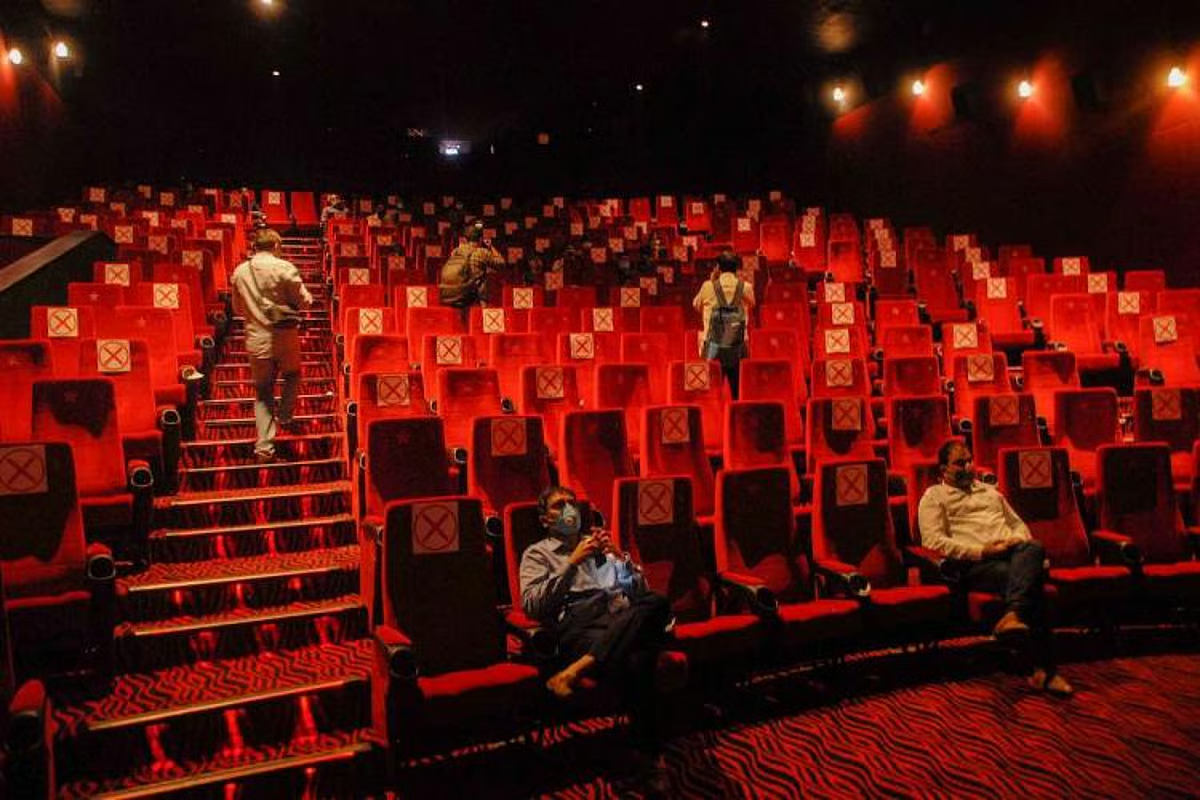

Movie nights in smaller towns are evolving quickly as local theatres and festival city venues adapt to growing OTT hype. The main keyword movie nights in smaller towns captures how community viewing habits are changing and how theatres are repositioning themselves to stay relevant in the streaming era.
The spread of streaming platforms has redefined entertainment in Tier 2 and Tier 3 cities. But instead of disappearing, local theatres and festival city venues are updating formats, pricing, content and viewer experiences to match shifting expectations. This article explains the strategic shifts happening across these smaller markets and why they matter for the future of India’s cinema culture.
Changing audience behaviour in the streaming era
Theatres in smaller towns have always enjoyed strong footfall due to limited entertainment options. Secondary keywords like local theatres and festival screenings fit naturally here. But OTT platforms have altered viewing patterns by offering convenience and affordability. Many viewers now prefer watching new films at home, especially if the theatrical window is short. Younger audiences also binge series, reducing weekly theatre visits. Despite this, theatre attendance has not collapsed. Instead, viewers now treat cinema outings as social experiences and major releases as group events rather than routine entertainment. This shift forces theatres to rethink what motivates audiences to step out.
Festival city screenings bring community viewing back
Seasonal festivals, city fairs, cultural events and lit fests now integrate film screenings to create community experiences. These festival city screenings are becoming popular because they offer curated titles, regional films and special premiers that are not always available on OTT. Smaller towns use public spaces, open air grounds and community halls to screen classics, indie films, youth centric stories and regional hits. These screenings revive the tradition of collective viewing, which OTT cannot replicate. They also help cities strengthen cultural identity and build tourism. For film distributors, festival screenings open new pockets of audience interest beyond metros.
How local theatres are redesigning the movie experience
To compete with OTT, theatres in smaller towns are focusing on comfort, ambience and pricing. Many have installed recliner seats, upgraded sound systems and cleaner, modern interiors to deliver premium value at affordable rates. Ticket pricing remains lower than metro multiplexes, making family outings feasible. Some theatres introduce weekday discounts, student offers and combo packages to maintain footfall. Curated programming is also rising: local theatres rotate mainstream blockbusters with regional films, dubbed versions, festival specials and re-runs of popular hits requested by the community. Theatres are also experimenting with late evening and morning shows depending on local demand patterns.
Shorter theatrical windows push strategic scheduling
One major challenge for theatres is the short gap between theatrical release and OTT launch. Instead of fighting this shift, many smaller-town theatres optimise their programming. They push peak footfall in the first week, offer additional shows during release weekends and schedule high demand films at convenient times for office workers and students. Theatres depend heavily on star driven blockbusters and regional films, which perform well before releasing on OTT. In contrast, niche films get fewer shows or are reserved for festival screenings. This scheduling strategy helps theatres capture value before audiences shift to OTT viewing.
Localised content drives stronger engagement
One of the strongest tools for theatres in smaller cities is regional storytelling. Local language films, regional comedies, devotional releases and biographical dramas often outperform OTT favoured genres. This gives theatres a competitive edge. They understand local taste patterns and curate showtimes accordingly. Smaller towns also support films featuring local actors, local dialects or region specific themes, which may not receive OTT marketing priority. This localised content mix helps theatres maintain relevance even as national viewing shifts online.
Technology and hybrid viewing experiments
Some theatres in smaller towns are experimenting with hybrid solutions such as pre-booked private screenings, rent-a-screen options, or integrating OTT content for special events. While regulations vary, theatres sometimes host watch parties for major sports events or popular series finales, creating theatrical experiences from digital content. Smart projection systems, improved ticketing apps and digital payment adoption make these experiments smoother. Theatres also run loyalty programs linked to local businesses, offering food coupons, festival invites or community perks. These digital-ready upgrades help cinemas compete with home viewing while retaining local flavour.
Why this adaptation matters for India’s cinema future
The future of movie nights in smaller towns is neither purely theatrical nor purely digital. It is hybrid, flexible and community driven. As OTT platforms expand, the role of theatres shifts from default entertainment to curated social experiences. Festival screenings strengthen local culture, while regular theatres innovate to retain audience loyalty. This mixed ecosystem ensures that cinema remains accessible, affordable and emotionally resonant across India’s smaller cities.
Takeaways
• Movie nights in smaller towns now blend OTT convenience with refreshed theatre experiences
• Festival city screenings revive community viewing and create cultural identity
• Local theatres adapt with better ambience, curated programming and dynamic pricing
• Regional films and hybrid formats help cinemas stay competitive in the streaming era
FAQs
Why are theatres in smaller towns still attracting viewers despite OTT growth?
Because movie outings are social experiences. Local theatres offer comfort, community and affordable pricing that complement home viewing.
Do festival city screenings compete with theatres?
They complement them. Festival screenings bring niche and cultural films to audiences, while theatres focus on mainstream and regional hits.
How do shorter OTT windows affect smaller-town theatres?
They encourage theatres to maximise footfall in early weeks and schedule shows dynamically to capture immediate demand.
What films perform best in smaller city theatres?
Regional language films, local comedies, devotional releases and star driven blockbusters usually attract the strongest crowds.