
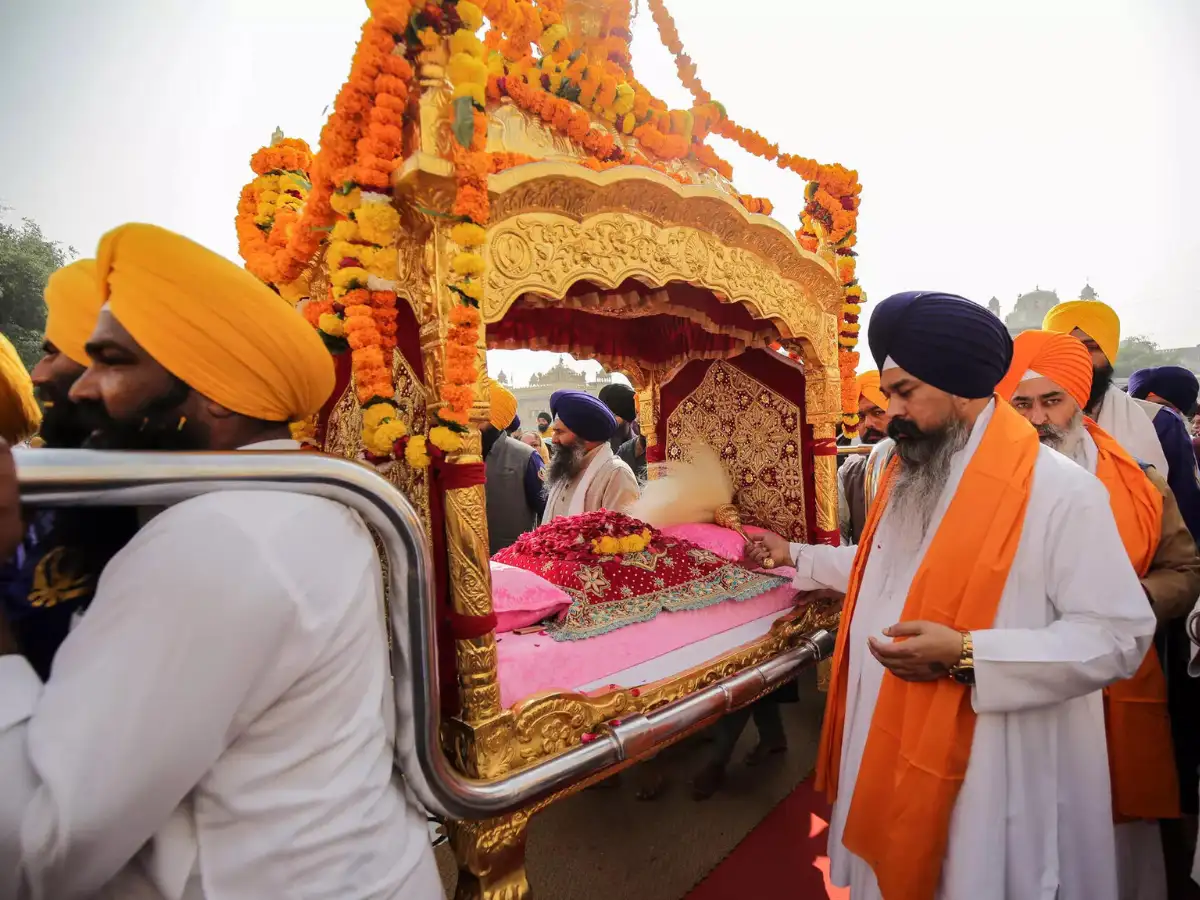

Schools in Delhi, Uttar Pradesh, Punjab and Haryana were closed on 25 November as governments marked the 350th martyrdom anniversary of Guru Tegh Bahadur. The decision reflected security planning, large scale public events and the historical significance of the day for the Sikh community and the wider region.
The 350th martyrdom anniversary of Guru Tegh Bahadur is a time sensitive news event rooted in a fixed historic timeline. Guru Tegh Bahadur, the ninth Sikh Guru, was executed in 1675 in Delhi, making 2025 the 350th year of his martyrdom. States with large Sikh populations and regions closely linked to Sikh heritage observed closures to manage public gatherings, state ceremonies and increased pilgrim movement.
Historical significance behind the closure decision
The anniversary marks the sacrifice made by Guru Tegh Bahadur in defending religious freedom. His execution during the Mughal era is remembered as a defining moment in Sikh history. The day attracts large gatherings at Gurdwaras, historical sites and memorials across North India. States announce closures to allow citizens to participate in events without affecting public safety or causing traffic disruption near major venues.
The 350th anniversary created additional focus, with multiple commemorative programmes scheduled across Delhi and Punjab. Schools were kept closed to reduce congestion and ensure smoother movement around religious sites and city centres. Administrations typically take such decisions when large scale attendance is expected at cultural or historical events.
Why Delhi announced a full holiday for educational institutions
Delhi carried a central role because the martyrdom took place in the capital. Large prayer gatherings took place at the memorial site and nearby Gurdwaras. With tens of thousands of visitors expected, the administration assessed that traffic around central and old Delhi zones would intensify. A school holiday reduces weekday movement and allows traffic personnel to focus on managing pilgrimage routes.
The Delhi government also coordinated with security agencies to manage increased footfall around heritage points linked to Sikh history. Schools were therefore closed for the day to maintain smooth public management and ensure students did not face travel disruptions.
Uttar Pradesh, Punjab and Haryana’s regional context
Punjab has deep cultural and historical ties to Sikh heritage, making participation in commemorative events widespread. Schools remained shut so families could attend community gatherings, especially in districts with major Gurdwaras. The 350th milestone amplified public involvement, leading the state to ensure a calm and manageable environment.
Haryana, with significant Sikh populations in key districts, followed a similar approach. Local administrations planned for crowd control near Gurudwaras and public squares. Closing schools helped reduce school bus movement during peak event timings.
In Uttar Pradesh, cities with strong Sikh presence such as Lucknow, Saharanpur and Kanpur saw preparations for anniversary events at local Gurdwaras. Some districts declared closures to support smooth operations, avoid congestion and allow residents to participate respectfully.
Public ceremonies and crowd management considerations
The 350th anniversary programme included kirtans, processions, prayer gatherings and speeches on the life and teachings of Guru Tegh Bahadur. These events typically require extended security deployment. Schools often close on such days because managing both educational traffic and public gatherings creates unnecessary strain on civic systems.
Crowd management becomes especially critical in older parts of cities where roads are narrow and daily traffic already stays high. Authorities also plan emergency response readiness, ensuring ambulances and fire services can move freely. Reducing school related movement helps achieve these objectives.
Impact on families, students and city operations
The closure provided families an opportunity to participate in cultural and historical ceremonies. Parents in Delhi and Punjab particularly used the day for community visits and educational conversations around Sikh history. For students, the holiday added context to classroom lessons on Guru Tegh Bahadur’s role in Indian history and religious freedom.
City operations benefited from lighter congestion. Public transport services were diverted around event clusters, and the absence of school traffic ensured a safer and more organised environment. In many places, temporary stages, public speeches and commemorations were held in open grounds near busy educational corridors. Closure made logistics easier for city planners.
Why this milestone required special recognition
Anniversaries such as the 300th and 350th year hold significant cultural weight. They involve year long preparations, coordinated programmes across states and substantial public engagement. The 350th martyrdom anniversary is especially symbolic because it reflects on the Guru’s role in defending rights beyond his own community.
States that share close historical links recognise the day not only as a religious event but as a broader cultural commemoration. The closure of schools reflected respect for heritage and a practical approach to managing large gatherings safely.
Takeaways
The 350th anniversary led to large scale commemorations across North India
School closures helped reduce traffic and support public event management
Delhi took added measures due to its central place in Sikh history
Crowd flow, security and cultural participation influenced state decisions
FAQ
Why was the holiday declared specifically on 25 November
The date aligns with the 350th year of Guru Tegh Bahadur’s martyrdom, marked annually through public ceremonies and observances.
Did all states declare a complete shutdown of schools
No. The decision varied by state and district, based on expected gatherings and local administrative planning.
Are such closures common during major commemorative events
Yes. States sometimes close schools to support traffic control, security and community participation during significant cultural observances.
Did this closure impact board exam schedules or assessments
In most cases, exams were rescheduled or avoided on this date to prevent disruptions for students.