
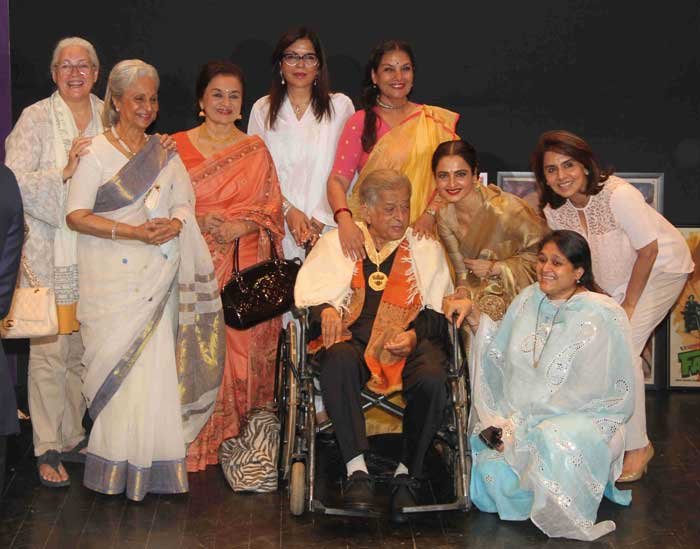

The transition from older Bollywood icons to younger actors becoming influential in regional markets is an ongoing cultural shift shaped by audience preference, industry economics and changing distribution patterns. This is an informational feature, not tied to a single news event, and focuses on how legacy stardom evolves as new talent emerges across India.
Veteran actors, many of whom shaped Hindi cinema for decades, now appear less frequently on screen as age, limited roles and evolving content formats shift the industry’s centre of gravity. Their reduced presence has opened up significant space for younger actors to capture regional attention. The change is driven not only by demographics but also by how audiences in Tier 2 and Tier 3 cities engage with entertainment today. Understanding this transition helps explain why new faces dominate regional screens, streaming platforms and local publicity circuits.
Why the older generation’s influence is declining gradually
Earlier Bollywood relied heavily on charismatic stars whose presence alone guaranteed footfall. As the industry matured, content expectations changed. Legacy stars appear selectively today, choosing roles that suit their age and public image. Their cultural influence remains strong, but the frequency of appearances has reduced naturally.
This creates openings for emerging talent to fill screen space across Hindi and regional markets. Audiences now follow actors through social media, web originals, short format videos and film roles, creating faster fan base growth for younger personalities. Where older icons once dominated television reruns and film festivals, newer actors dominate the digital realm.
How streaming platforms accelerate generational transition
OTT platforms have changed viewing habits in smaller cities. Tier 2 and Tier 3 audiences now watch content in multiple Indian languages, consume diverse genres and discover actors far earlier than in the past. This reduces dependence on Bollywood’s older stars for mass entertainment.
Younger actors who feature in web series, regional productions or youth oriented films quickly gain popularity because OTT algorithms push relatable faces to the forefront. These platforms favour faster release cycles, making fresh talent more accessible and visible. Older stars, who work on fewer projects, dominate prestige roles but no longer control mass reach in smaller cities.
Regional markets favour grounded performances and local connect
Regional audiences increasingly prefer grounded acting styles and stories rooted in everyday life. Younger actors who speak regional dialects fluently or portray small town roles naturally connect better with viewers in states such as Uttar Pradesh, Bihar, Punjab, Chhattisgarh, Odisha, Tamil Nadu and Karnataka.
Older Bollywood icons, despite their enormous stature, built their careers in an era when big screen charisma mattered more than relatability. Today’s Tier 2 and Tier 3 youth look for actors who feel accessible and contemporary. This shift in expectation amplifies the rise of young performers who mirror regional lifestyles through their tone, appearance and narrative choices.
The economics behind casting decisions in smaller markets
Producers targeting regional circuits prioritise cost effectiveness and local relevance. Emerging actors are more affordable, easier to schedule and more aligned with youth driven marketing. Their willingness to promote content aggressively on digital platforms appeals to distributors looking for measurable engagement rather than legacy brand recall.
Older icons appear in selective films, often in mentor like roles, nostalgic cameos or character driven arcs. These performances carry emotional value but are not designed to anchor entire regional marketing campaigns. As a result, younger actors become the face of promotions in semi urban theatres and college circuits, where audience turnout depends heavily on perceived freshness.
How legacy and new talent coexist in evolving cinema
The shift does not diminish the cultural importance of older Bollywood icons. Their films still command respect, repeated viewership and strong emotional attachment. Instead, the current environment allows dual influence.
Legacy stars shape high prestige cinema, biopics and selective OTT projects, while younger actors dominate experimental genres, regional storylines and youth oriented scripts. In many cases, older icons indirectly create space for newcomers by stepping away from mainstream hero centric narratives, enabling more diverse casting and storytelling formats.
Influence of social media on regional stardom
Social media drives this generational change more than any other factor. Young actors maintain constant visibility through reels, challenges, behind the scenes clips and fan interactions. Tier 2 and Tier 3 audiences discover rising stars primarily through these channels, not through traditional film promotions.
Older icons with limited social media presence rely on their existing reputation, but it does not translate into daily engagement. The difference in online visibility widens the generational gap in regional fandom and consolidates younger actors’ influence.
What this means for the future of Indian regional entertainment
Regional markets will continue favouring younger, relatable talent for mainstream casting. Bollywood icons will remain important but play roles aligned with maturity, depth and experience. As industries move toward multi language releases, cross regional collaborations and digital first production, new actors will capture opportunities earlier in their careers.
Over time, this will create a more balanced entertainment ecosystem where legacy and emerging talent coexist, but with clear audience preferences driving casting decisions at the regional level.
Takeaways
Younger actors resonate strongly with Tier 2 and Tier 3 audiences
OTT visibility accelerates stardom faster than traditional cinema
Regional storytelling favours relatable personalities over legacy charisma
Older icons retain prestige roles while younger talent leads mass markets
FAQ
Are older Bollywood actors losing relevance in regional markets
Not losing relevance, but appearing less frequently, allowing younger actors to dominate high visibility roles.
Why do young actors perform better in small city narratives
Their style, dialect and grounded performances match the lived reality of regional audiences.
Does OTT play a major role in this generational shift
Yes. OTT exposes audiences to new actors early, making regional discovery faster and more organic.
Will older icons continue to appear in mainstream cinema
Yes, but typically in selective, meaningful roles rather than mass market hero centric narratives.