
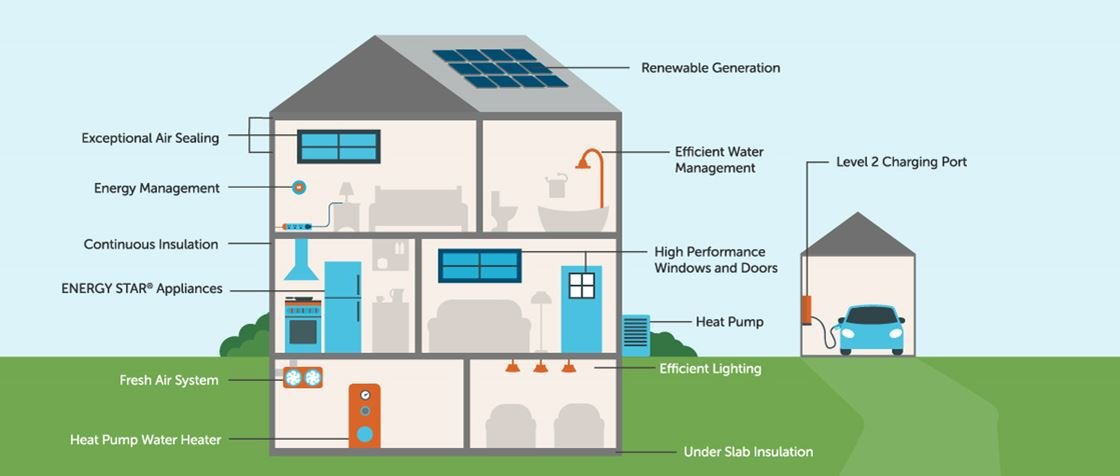

Building an energy efficient and budget friendly home setup is achievable for Tier 2 households with the right mix of appliances, smart gadgets and usage habits. This guide explains how to choose cost effective products, reduce electricity consumption and optimise daily living without overspending.
Choose the right appliances based on energy ratings
The main keyword energy efficient home setup should guide your approach. Start by selecting appliances with higher energy ratings because they directly reduce monthly electricity bills. Refrigerators, air coolers, air conditioners and washing machines carry efficiency labels that indicate annual power usage. Tier 2 households often depend heavily on refrigerators and ceiling fans, making these categories the best starting point for upgrades. Instead of choosing the largest capacity available, match the appliance size to the family’s actual usage. For example, a three star refrigerator with a moderate capacity usually delivers better long term savings than a lower rated but larger model. Energy efficiency becomes more impactful over years, making smart selection more valuable than chasing temporary discounts.
Use smart gadgets to automate and monitor electricity consumption
Secondary keywords like smart gadgets and power tracking are essential when enhancing efficiency. Smart plugs allow users to monitor real time power usage of TVs, kitchen appliances and lighting systems. These devices help identify products that consume the most energy. Smart switches with scheduling features prevent unnecessary usage during peak hours. For example, geysers and water pumps can be scheduled to operate only when needed. Budget friendly LED bulbs paired with motion sensors reduce wastage in hallways and balconies. Smart speakers and voice assistants simplify daily routines by allowing hands free control of fans, lights and entertainment devices. These additions improve efficiency without requiring expensive rewiring.
Invest in essential appliances that deliver maximum value
Households in Tier 2 cities must prioritise investments based on value rather than brand popularity. A high efficiency ceiling fan or inverter fan offers substantial savings compared to traditional models because fans run for long durations. Inverter refrigerators and inverter washing machines consume less power by adjusting their speed according to load. These models cost more upfront but reduce long term expenses. For cooling needs, air coolers remain the most economical option in regions with dry summers. When selecting water heaters, instant geysers consume less power if usage is limited, while storage models work better for families with higher demand. Each appliance should be viewed through the lens of cost per year rather than only purchase price.
Use solar options and backup systems where feasible
Solar adoption is growing in Tier 2 markets because rooftop availability is higher than in dense metropolitan areas. Even small scale solar solutions like solar powered lights or solar water heaters can deliver significant savings over time. Solar panels with basic inverters provide backup during power cuts and reduce dependence on grid electricity. Although the initial cost is higher, subsidies and falling panel prices have made entry level systems more accessible. For households unable to install full solar setups, rechargeable LED lamps and solar lanterns offer reliable lighting during outages without increasing bills.
Optimise appliance placement and daily usage habits
Energy efficiency is not limited to buying new products. Proper placement of appliances further reduces electricity consumption. Refrigerators should be kept away from direct sunlight and allow ventilation around the unit. Air coolers and fans perform better when cross ventilation is maintained. Washing machines use less energy when run with full loads. Ironing clothes in batches reduces repeated heating cycles. Cooking on induction stoves rather than traditional electric coil stoves improves efficiency because induction technology heats faster with less power loss. Small adjustments in daily habits create measurable savings without any investment.
Combine automation with practical upgrades for long term benefits
Automation tools such as timers, smart thermostats and home monitoring apps ensure consistent energy savings. Smart thermostats help maintain optimal room temperature in AC equipped homes, reducing compressor overuse. Timers attached to motors and outdoor lighting prevent overnight power wastage. Replacing old appliances gradually is more effective than switching everything at once. Starting with the highest consumption categories like refrigerators, fans and geysers produces the quickest returns. Over time, a layered approach of appliance upgrades, smart gadgets and conscious usage creates a balanced, energy efficient lifestyle.
Takeaways
Choose appliances with high efficiency ratings and suitable capacity
Use smart plugs, switches and sensors to track and automate energy use
Adopt solar lights or small solar systems where feasible
Improve efficiency through daily usage habits and appliance placement
FAQs
Which appliance upgrades offer the fastest savings
Refrigerators, fans and washing machines deliver the quickest reductions in electricity bills when upgraded to high efficiency or inverter models.
Are smart gadgets necessary for an efficient home setup
Smart gadgets are not mandatory but they help track usage, automate routines and prevent wastage, making them valuable additions in budget friendly setups.
Do solar solutions work well for Tier 2 households
Yes. Rooftop availability and lower installation barriers make solar solutions practical for many Tier 2 homes, especially for lighting and water heating.
How can families reduce consumption without buying new appliances
Optimising appliance placement, running appliances at proper load, using timers and adopting LED lighting significantly cut down energy usage.