
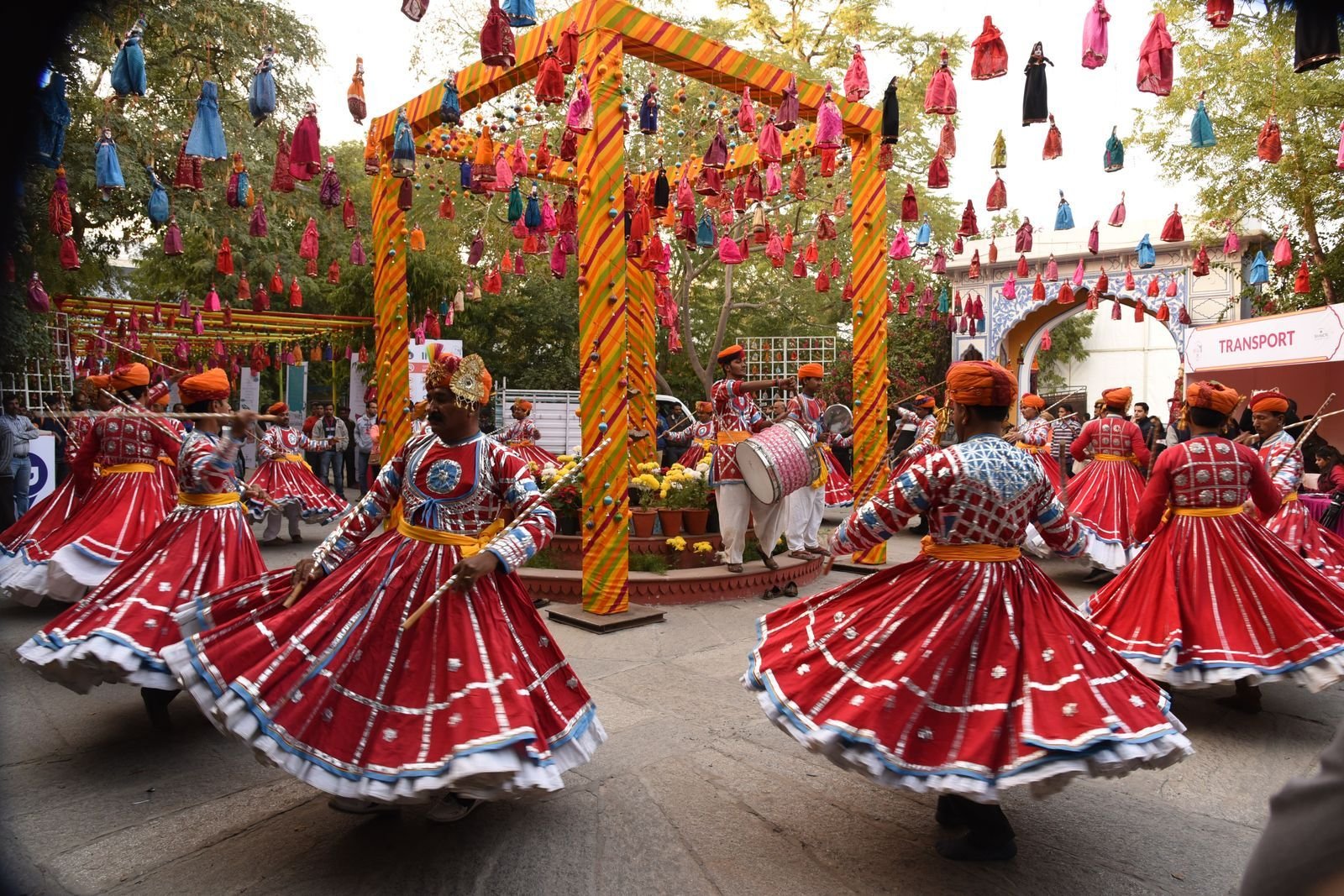

Youth driven literature, music and cultural festivals are rapidly gaining ground in Tier 2 cities. Strong local participation, growing creative communities and increased support from institutions have turned these festivals into catalysts for grassroots cultural revival across India’s smaller urban centres.
Youth led cultural festivals reshaping Tier 2 identity
The main keyword youth driven literature and cultural festivals highlights a shift in how culture is being created and consumed outside metros. Tier 2 cities are witnessing a surge in book festivals, music gatherings, poetry events and creative workshops curated largely by young organisers. These events bring together students, local artists, writers, musicians and independent creators who are reshaping local identity through fresh perspectives. The growth of these festivals reflects rising cultural confidence among youth who prefer platforms that feel accessible, community oriented and locally relevant rather than dominated by metropolitan trends.
Why Tier 2 cities are becoming cultural hotspots
Secondary keywords like grassroots cultural revival and creative communities explain the broader shift. Many Tier 2 cities have rich artistic histories but lacked structured platforms for young talent. As digital access expands and creative skills become mainstream career choices, youth in smaller cities are more willing to collaborate and experiment. Venues such as public libraries, community halls, university auditoriums and open cultural spaces are being repurposed for festivals with minimal budgets. Local governments and civic bodies increasingly support these initiatives because they help boost tourism, enhance city branding and create employment for creative professionals. These factors make Tier 2 cities fertile ground for cultural growth.
The role of literature and poetry movements
Literature festivals in smaller cities have seen a sharp rise, driven by college clubs, local writers’ circles and independent publishers. These festivals feature author meetups, book discussions, writing workshops and poetry slams that allow young voices to showcase original work. Many events highlight regional languages and local stories, strengthening cultural roots. For example, reading clubs and poetry collectives often invite community elders to share folklore, blending modern and traditional narratives. This intergenerational exchange strengthens cultural memory and helps youth explore identity through literature. Regional publishers benefit from these gatherings as they gain access to new audiences and aspiring writers.
Music and youth culture shaping new creative ecosystems
Music festivals in Tier 2 cities are evolving beyond traditional stage shows. Young musicians organise indie gigs, electronic sessions and folk fusion events that combine contemporary genres with local influences. The affordability of digital production tools has enabled more young people to create and distribute their music online. These festivals act as launchpads for local talent who often lack access to metro circuits. Additionally, dance crews, theatre groups and street performers contribute to the expanding creative ecosystem. These multidisciplinary events attract diverse audiences, stimulating both artistic growth and local business revenue.
How cultural festivals support local economies
Cultural events generate footfall that benefits hotels, restaurants, transport operators, bookstores and local artisans. Pop up stalls featuring handicrafts, local food and handmade products often run alongside festivals, supporting small businesses. Youth volunteers gain organisational experience, which helps them pursue careers in event management, media and cultural entrepreneurship. The economic ripple effect encourages stakeholders to invest in future events, making festivals a recurring part of the city calendar. This builds a sustainable cultural economy that grows year after year.
Digital platforms amplifying local talent
Social media plays a critical role in accelerating the reach of youth driven festivals. Event organisers use short videos, posters and livestreams to engage wider audiences. Young artists publish performances, poems and talks online, allowing them to gain recognition beyond their city. Digital communities help creators collaborate across states, enriching the cultural exchange. The rising popularity of online ticketing and crowdfunding has also made it easier to organise festivals with limited resources. Digital amplification ensures that Tier 2 artists are not limited by geography and can compete on a national stage.
Challenges and the need for sustainable cultural infrastructure
Despite rapid growth, challenges remain. Many festivals rely on temporary venues, inconsistent funding and volunteer based organising committees. Lack of long term sponsorships can limit expansion. Training in cultural management and technical production is still developing in smaller cities, affecting the quality of large scale events. Yet, the sustained enthusiasm of youth and the growing support from institutions indicate that these challenges are likely to reduce over time. Strengthening cultural infrastructure will be key to ensuring that this revival becomes permanent and scalable.
Takeaways
Youth led cultural festivals are reshaping creative identity in Tier 2 cities
Literature, music and art events are reviving regional languages and grassroots traditions
Local economies and small businesses benefit from festival driven footfall
Digital platforms help Tier 2 artists gain national visibility and collaborations
FAQs
Why are cultural festivals rising in Tier 2 cities
Higher youth participation, digital access, supportive institutions and lower venue costs have made these cities ideal for creative events.
How do these festivals help local talent
They offer platforms for writers, musicians and performers to showcase their work, collaborate with peers and gain wider recognition.
Are these festivals sustainable in the long term
Yes, with growing institutional support and rising public interest, festivals are becoming annual events that strengthen cultural ecosystems.
Do digital platforms influence festival growth
Digital content, online promotions and livestreaming significantly amplify reach, helping small city artists build influence beyond local boundaries.