
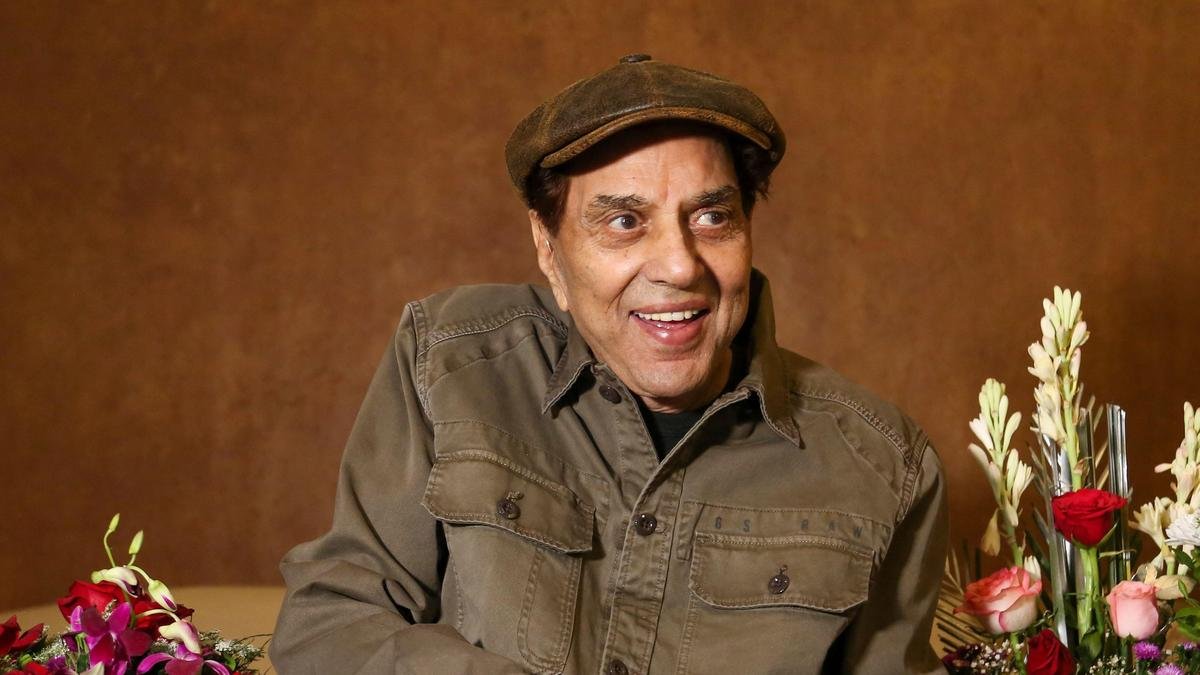

The passing of Dharmendra triggered widespread grief across India, especially in small towns where his films shaped memories, values and cultural identity. The reaction highlights how older generations connect with cinema differently and what his legacy says about changing audience sentiment today.
Dharmendra’s passing and why small-town grief feels different
The main keyword Dharmendra’s passing anchors this piece because his death created an emotional response that went far beyond metropolitan film circles. For several generations of small-town audiences, Dharmendra was not just a star but a symbol of a period when Hindi cinema reflected relatable values, emotional depth and aspirational masculinity without excess. His screen presence felt accessible, warm and grounded, making him more of a family figure than a distant celebrity.
While metro audiences often process celebrity news with quick digital reactions, small-town communities mourn through shared memories. Local cable replays, neighbourhood conversations and community gatherings often rekindle nostalgia. The grief reflects gratitude for an actor whose films shaped formative years and mirrored rural emotions more honestly than many contemporary narratives.
How Dharmendra shaped generational identity in Tier-2 and Tier-3 towns
Dharmendra’s appeal in smaller towns was built on roles that embodied strength without arrogance and romance without flamboyance. Secondary keywords like generational film culture fit here because older fans remember a time when movies were social events, watched in single-screen theatres with family and neighbours. His characters represented dependable virtues admired in semi-urban and rural societies: loyalty, courage, humility and emotional sincerity.
Many small-town viewers associate Dharmendra with their first cinema outings, transistor-era songs, local film posters and collective film-watching traditions. His passing therefore triggers a layered emotional response — not just the loss of an artist but the fading of a cultural period that defined their youth. The grief is generational, shaped by memories of a slower, community-centric film culture.
Contrast with modern fandom and shifting urban film consumption
Urban fans increasingly consume cinema via digital platforms, fragmented content streams and celebrity-driven social media ecosystems. Emotional intensity tends to be short-lived, influenced by algorithmic cycles. In contrast, small-town fandom retains long-term loyalty because it is built on lived experiences, not instant digital engagement.
Dharmendra belonged to an era where actors earned affection through consistency, not online visibility. His relatable mannerisms resonated with audiences who felt overlooked by glossy metro-centric storytelling. Modern stars often cater to audience segments that are younger, digitally native and influenced by global trends. Dharmendra’s passing exposes the generational gap between emotional permanence and fast-moving fandom.
Public grief reveals how small towns preserve old Bollywood nostalgia
In smaller towns, grief rituals often include rewatching classic films, revisiting iconic dialogues and sharing anecdotes from earlier decades. These communities preserve nostalgia because old Bollywood was part of daily life. Cinema halls were central social spaces. Festival releases influenced local business, celebrations and street chatter.
Dharmendra’s death revived all of this. Families watched his classics together. Local theatre owners screened old hits. Conversations resurfaced about film songs, on-screen chemistry with popular co-stars and the memory of how his films shaped family weekends. This collective remembrance highlights that older stars hold emotional weight that digital-era icons rarely achieve.
His legacy and what it signals for the future of film culture
Dharmendra’s passing also reveals something significant about shifting film-culture patterns. As small-town audiences continue to embrace new OTT content and global entertainment, their emotional attachment to old Bollywood remains strong. This duality suggests that nostalgia will remain a powerful force in Indian entertainment.
For filmmakers, it signals an opportunity: audiences still value storytelling rooted in authenticity, family emotions and everyday strength. Dharmendra’s legacy proves that small-town sentiment still influences national film culture. As modern cinema gravitates toward urban storylines, the response to his death serves as a reminder that India’s cultural heartbeat still lies in smaller towns where cinema is remembered as lived experience rather than content.
Takeaways
Dharmendra’s passing revived deep generational memories in small towns
Older fans connect with cinema through shared experiences, not digital cycles
Small-town fandom values authenticity and emotional sincerity in film narratives
Nostalgia remains a central force shaping future Indian film consumption
FAQs
Why was Dharmendra especially popular in small towns
Because his roles projected relatable values like humility, loyalty and emotional honesty that connected strongly with semi-urban and rural audiences.
How is grief expressed differently in smaller towns
Small towns rely on community remembrance: shared film screenings, discussions and nostalgic retellings rather than quick social-media reactions.
What does his passing say about generational shifts in film culture
It highlights the move from community-based film experiences to digital consumption, creating different emotional depths across generations.
Will nostalgia-driven cinema continue to hold influence
Yes. The response to Dharmendra’s passing shows that audiences still value storytelling rooted in authenticity and emotional grounding.