
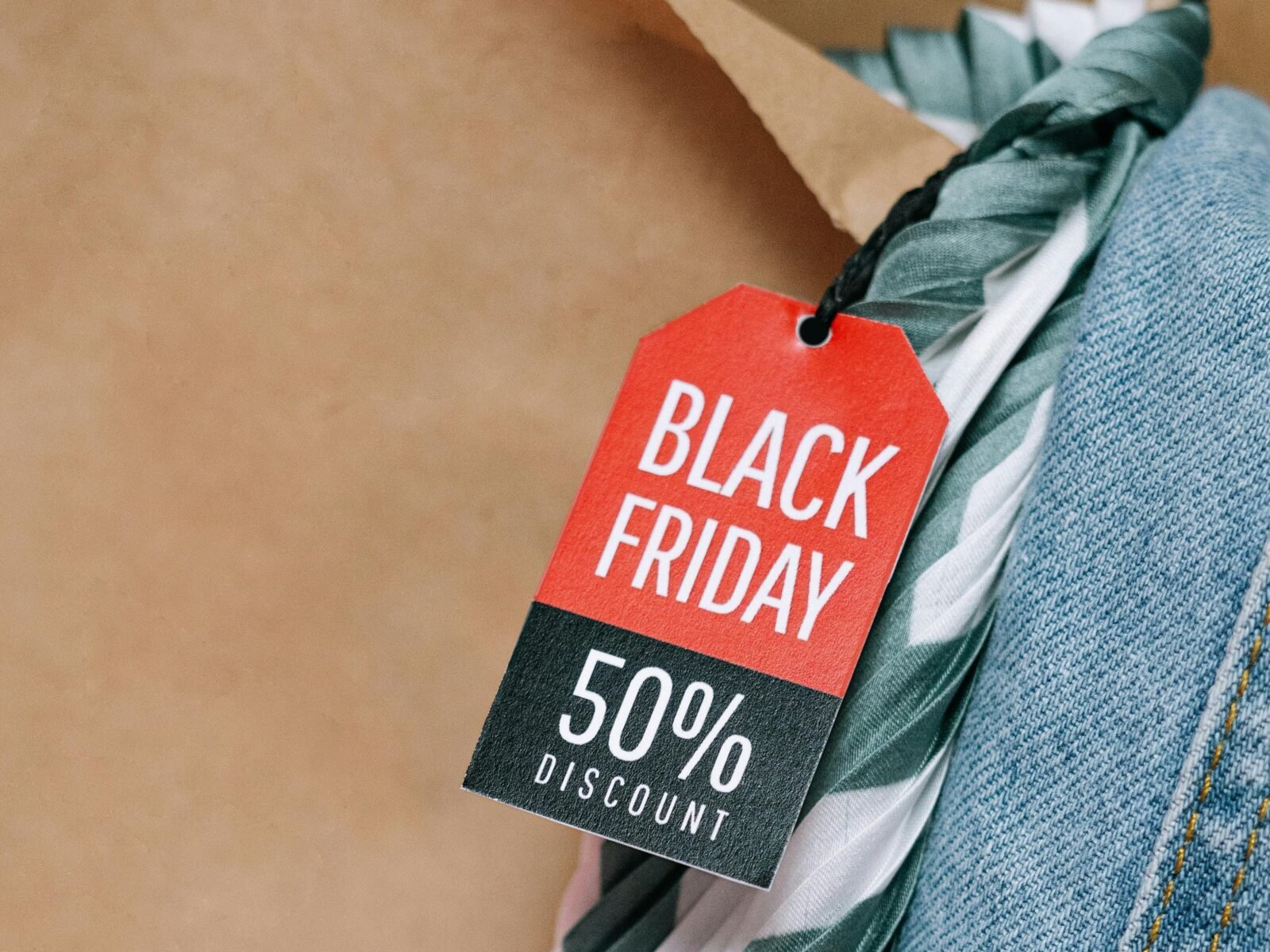

Fake Black Friday e stores are rising as scammers target shoppers with deep discount traps. Buyers in Tier 2 and Tier 3 towns face higher risk due to limited vendor awareness, slower refunds and dependence on unfamiliar online sellers.
Why fake Black Friday e stores are increasing this year
The main keyword fake Black Friday e stores frames the issue because scam websites multiply during large shopping seasons. Criminal groups create convincing shops using copied branding, heavy discounts and social media ads to lure buyers. They exploit urgency, limited time countdowns and aggressive pricing on phones, appliances, sneakers or beauty products that appear far cheaper than trusted platforms.
Shoppers in smaller towns are especially vulnerable because they often search for deals on unfamiliar sites when mainstream platforms show stock outs or higher prices. Fraudsters know this behaviour and target these regions through region specific ads, WhatsApp forwards and influencer like pages that look authentic but vanish after collecting payments.
Red flags in website design and behaviour you should check immediately
A secondary keyword spotting fake websites fits here. Scam e stores commonly share similar warning signs. First, URLs are slightly altered versions of known brands, often containing extra letters or numbers. Second, product listings show unrealistic discounts, sometimes over 70 percent on items that rarely get such reductions. Third, the site may load slowly, contain inconsistent fonts or display stock photos instead of real product images.
Another clear warning sign is lack of secure payment marks. Genuine sites use HTTPS, display verified payment badges and mention clear return policies. Fake stores often hide contact details or use unprofessional email addresses. The absence of a physical address or customer service number should be treated as an immediate red flag.
Why Tier 2 and Tier 3 buyers face higher risk during Black Friday
In smaller towns, buyers rely heavily on cash based local retail for most of the year and shift to online purchases only during mega sales. This makes them more susceptible to misleading ads, unfamiliar domain names and unrealistic offers. The secondary keyword Tier 2 and Tier 3 risks fits naturally here.
Refund timelines are slower in remote locations, and replacement logistics become difficult if the seller turns out to be fraudulent. Dual language scam ads often target smaller city users who may not routinely check authenticity markers. Scammers also exploit lower awareness about cyber hygiene, leading to higher chances of sharing UPI IDs or OTPs with fraudulent support agents pretending to resolve payment errors.
How to authenticate an online store before making a payment
Before buying from a new website, run a quick authenticity check. Search for reviews outside the platform. Scam stores rarely have credible third party reviews. Look up the domain age using free tools: fake sites are typically a few days or weeks old. Verify if the seller accepts secure payment methods such as credit cards or UPI with transaction protection. Avoid sites that only allow wallet transfers or ask for full advance payment without COD options.
Check the return and warranty pages. Genuine sellers clearly list timelines, policies and authorised service partners. Fraudulent sites keep these sections vague or filled with generic text. Cross verify the brand’s official website to see if they list authorised sellers. If a site claims partnership with a major brand but isn’t listed on the official partner page, it is likely fake.
Safe buying habits for smaller city shoppers
In Tier 2 and Tier 3 towns, network and delivery delays can make buyers anxious, which scammers exploit. Stick to familiar marketplaces and brand websites during high volume sale periods. If a deal seems unusually cheap, assume it is fake until proven otherwise. Avoid clicking links from WhatsApp groups or regional social pages promoting flash sales.
Use cards or UPI methods that offer dispute resolution rather than direct bank transfers. Save screenshots of orders, invoices and seller pages. If the product is big ticket, such as a phone or laptop, check nearby authorised retailers for price comparison. Sometimes the offline price difference is small but offers greater safety and faster replacement in case of issues.
What to do if you’ve already been scammed
If payment has been made to a suspicious website, immediately contact your bank and raise a dispute. File a complaint on the national cybercrime portal. Save all messages, transaction details and URLs. Blocking the account early may help prevent repeated phishing attempts.
Inform local cyber police stations if available. Awareness prevents others from falling for the same trap. In smaller towns, reporting also helps police recognise emerging scam patterns targeting specific regions during major sale events.
Takeaways
Fake e stores peak during Black Friday and exploit unrealistic discounts
Small town buyers face higher risk due to limited awareness of scam markers
Check URL, payment security, domain age and return policies before purchasing
Use secure payment methods and avoid unfamiliar links or urgent sale countdowns
FAQs
Are fake Black Friday websites common in India
Yes. Scam sites rise sharply during major sale periods targeting high demand categories like phones, sneakers and small appliances.
How can I quickly check if a site is fake
Verify URL spelling, look for HTTPS, check domain age, read external reviews and confirm payment security. Lack of these is a warning sign.
Do scammers specifically target smaller cities
Often yes, because buyers may have fewer trusted online options and scammers use region targeted ads and WhatsApp forwards to reach them.
What is the safest way to shop online during sales
Use authorised brand sites, trusted marketplaces and secure payment methods. Avoid unfamiliar platforms offering unusually steep discounts.