
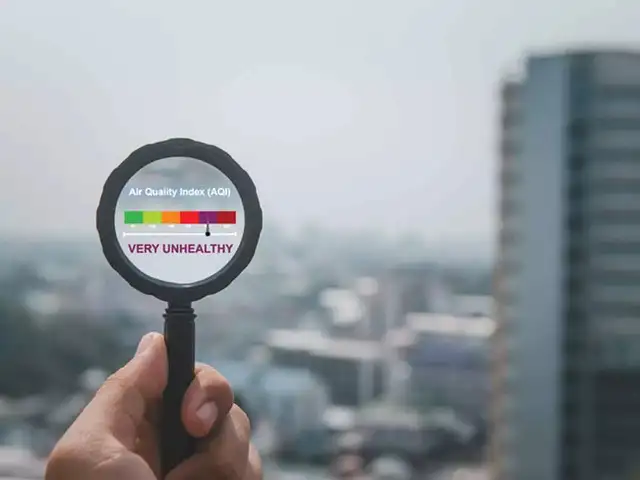

Checking your city’s air quality is now essential for residents in Tier 2 and Tier 3 cities as pollution levels fluctuate through the day. Using reliable AQI tools helps you understand exposure levels and decide the right safety precautions for your family.
Why monitoring air quality matters for small city residents
Air pollution patterns in Tier 2 and Tier 3 cities are becoming increasingly unpredictable due to local construction, regional crop burning, traffic density and seasonal weather shifts. Residents often experience sudden AQI spikes that go unnoticed without proper tracking. Understanding what AQI numbers mean helps people make informed choices about outdoor activity, home ventilation and protective measures.
How to check AQI using government certified platforms
The most reliable method to check your city’s air quality is to use official AQI trackers operated by central and state pollution control boards. These platforms update readings from monitoring stations located in district centers and growing urban clusters. Most show real time concentrations of PM2.5, PM10, ozone, nitrogen dioxide and sulfur dioxide.
Users simply select their district or nearest monitoring station to view the AQI reading along with color coded health categories ranging from good to severe. If your town does not have its own monitoring station, the best approach is to track the closest available station within your district, as rural transport corridors and regional industrial zones often influence nearby air patterns similarly.
Using mobile apps and smart home devices for quick AQI alerts
Many residents prefer mobile apps that aggregate AQI data from multiple verified sources. These tools offer district wise, city wise and neighborhood level tracking. Most apps provide hourly updates, forecast patterns and push notifications when pollution levels cross safe limits.
Smart home devices like air quality monitors also offer indoor readings. These sensors track PM2.5 levels inside homes, which is crucial during winter when poor ventilation and smoke exposure can push indoor air quality to unsafe ranges. Combining indoor monitors with outdoor AQI apps gives a more complete picture of your daily exposure.
How to interpret AQI numbers and act based on levels
AQI values help you judge how long you should stay outdoors and whether masks or indoor purifiers are needed.
AQI 0 to 50 falls in good range and is safe for most activities.
AQI 51 to 100 is moderate and manageable for healthy individuals but may affect people with asthma or heart conditions.
AQI 101 to 200 is unhealthy for sensitive groups and requires limiting outdoor exertion.
AQI above 200 indicates poor to severe conditions where most people are at risk of respiratory discomfort, and precautions must become stricter.
Understanding these ranges ensures that people in smaller cities, where sudden spikes often occur due to local events like waste burning or construction dust, know exactly how to modify their routine.
Practical precautions to reduce exposure during high pollution days
Simple actions significantly reduce personal exposure. During peak hours of traffic or visible smog, staying indoors can lower risk. Keeping windows closed during early morning and late evening prevents polluted air from entering.
Wearing certified N95 or N99 masks outdoors blocks fine particulate matter. Masks are especially important for school children, elderly citizens and people with breathing issues.
Indoor air purifiers with HEPA filters help reduce particulate concentration in bedrooms and living areas. Even low cost purifiers can reduce exposure levels if used correctly.
Plants offer limited filtration and should not be treated as a replacement for mechanical purification. Prioritising ventilation during low pollution hours and sealing gaps around windows are more effective ways to manage indoor air quality.
Why Tier 2 and Tier 3 cities need consistent tracking
Many smaller cities lack dense monitoring networks, making personal tracking tools essential. Industrial belts near towns, seasonal stubble burning from nearby districts and rising vehicle numbers have made AQI levels more variable. Consistent daily checks allow families to plan school travel, outdoor work, morning walks and household ventilation based on real conditions rather than assumptions.
For people working outdoors such as delivery staff, construction workers or shopkeepers, following AQI alerts helps them schedule breaks and choose protective equipment more effectively. Regular monitoring builds awareness and encourages community level discussions on local pollution sources.
Takeaways
AQI tools help residents understand real time pollution exposure
Official trackers and verified apps provide accurate readings
Interpreting AQI ranges guides daily outdoor and indoor decisions
Precautions like masks and purifiers reduce health impact
FAQs
How often should I check AQI in my city
Checking AQI at least twice a day is recommended because pollution levels change through the day due to weather patterns and traffic activity.
What is the safest AQI level for outdoor exercise
AQI below 100 is generally safe for most people. Sensitive individuals should exercise outdoors only when AQI is below 75.
Are indoor plants enough to improve air quality
Plants can support cleaner air but cannot replace purifiers. They do not filter PM2.5 effectively, which is the main pollutant in most Indian cities.
Do masks really help during high pollution days
N95 and N99 masks significantly reduce inhalation of fine particles. Cloth masks do not offer reliable protection against PM2.5.