
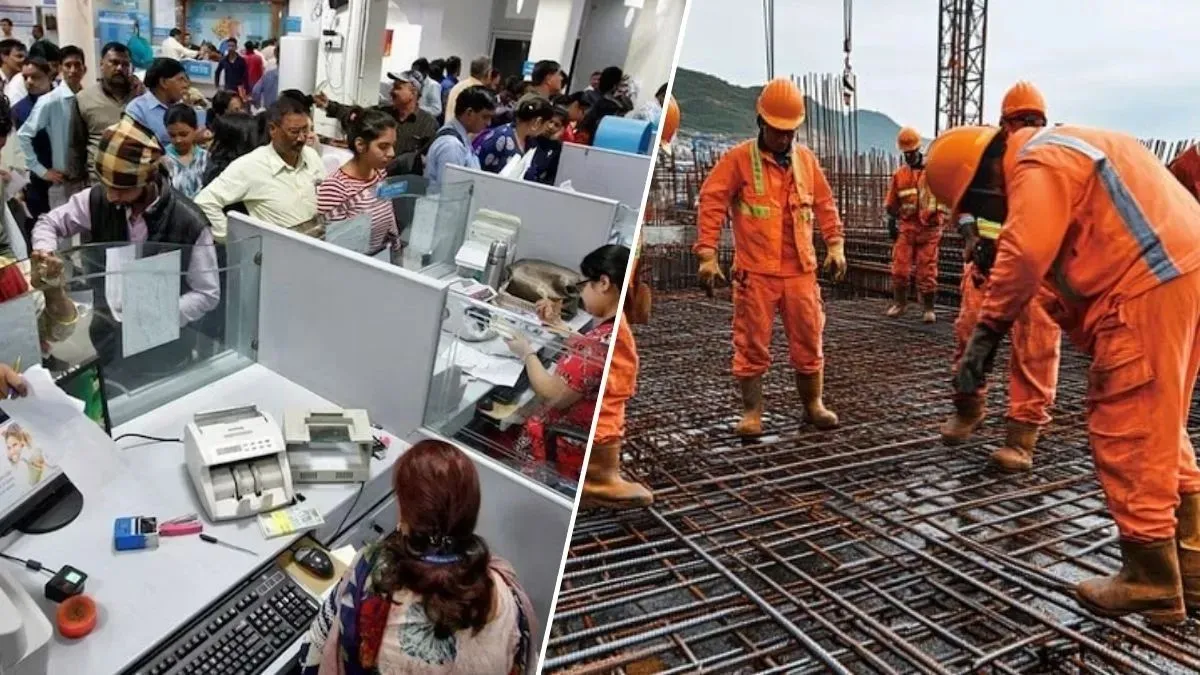

India’s new labour law overhaul is the main keyword and it affects gig workers and small businesses in Tier 2 cities by reshaping wages, safety standards, contract rules and social security access. The changes consolidate older laws into simpler codes that aim to increase formal protections while reducing compliance complexity for employers.
Gig platforms, service providers, retail units and small factories in Tier 2 towns must update their internal processes to meet new requirements. Workers gain clearer rights related to wage settlement, working hours and welfare benefits. Small businesses must adjust hiring, documentation and payment structures to stay compliant. The overhaul impacts day to day operations for both groups and understanding these changes early prevents penalties or workflow disruptions.
Stronger wage rules for transparent payments
Secondary keyword: wage code impact
The wage code introduces a unified definition of wages. This matters for workers paid through mixed structures that previously included several allowances. Under the new rule, allowances cannot exceed a fixed share of total wages. This leads to more predictable take home pay for gig workers and shop staff.
Small businesses that pay employees through cash, digital wallets or bank transfers must maintain consistent documentation. Wage slips must clearly reflect basic pay, deductions and overtime calculations. Tier 2 businesses like delivery hubs, small restaurants and service workshops often rely on informal payment patterns. The new wage rules reduce disputes by requiring consistent records that can be easily verified during inspections.
Expanded social security access for gig workers
Secondary keyword: gig worker benefits
The social security code introduces formal recognition for gig and platform workers. These workers can now access welfare funds supported by contributions from platforms and government schemes. This is significant for Tier 2 delivery agents, ride hailing partners and part time service professionals who operated without reliable protection earlier.
A digital registry enables gig workers to enrol and update their details. This helps workers track available welfare benefits such as accident cover or long term support. Small businesses that hire contract staff must classify workers correctly and comply with contribution obligations where applicable. Better documentation supports clear eligibility for benefits and reduces confusion during verification.
Improved safety standards for small units
Secondary keyword: workplace safety compliance
The occupational safety code strengthens safety norms across industries. Even small units in Tier 2 cities must ensure proper ventilation, sanitation and emergency preparedness. Workplaces must maintain basic first aid kits and keep clear records of safety training. This directly affects small manufacturing units, repair shops and logistics hubs.
Workers in hazardous tasks receive additional safeguards related to shift limits and medical checks. Inspectors can review compliance, especially in sectors like construction where daily wage earners face higher risks. Small businesses must create simple safety protocols that match their scale. Clear procedures reduce workplace accidents and support higher productivity.
Simplified contract, hiring and dispute processes
Secondary keyword: industrial relations reforms
The industrial relations code changes how businesses manage hiring and dispute resolution. The threshold for mandatory standing orders has increased, which gives small businesses more flexibility. Fixed term employment becomes a structured option, benefiting workers who gain the same wages and benefits as permanent staff during their contract period.
For gig workers and part time staff, clarity in contracts helps reduce conflicts. The code strengthens internal grievance systems so workers can raise concerns through a defined channel. Timelines for dispute resolution have been shortened. This helps both workers and small employers who previously dealt with long unresolved cases.
Compliance steps for small businesses in Tier 2 towns
Secondary keyword: SME compliance checklist
Small businesses must revise their HR processes to match new labour standards. Maintaining updated registers of wages, attendance and safety is mandatory. Shops, workshops and service providers should train staff on standard procedures. Tier 2 businesses with limited administrative resources can use digital templates provided by state labour departments to simplify compliance.
Businesses that rely on gig based labour or temporary workers must update contracts to clearly reflect terms of employment. Correct classification of workers prevents legal issues. Periodic reviews ensure that wage structures align with the new definitions. Proactive engagement with local labour facilitation centres helps SMEs avoid penalties and understand the latest implementation timelines.
What these changes mean for daily operations
Secondary keyword: worker employer impact
The overhaul aims to reduce inconsistent labour practices across cities. Gig workers gain more predictable income structures and a path to social welfare benefits. Daily wage earners receive better protections at worksites. Small businesses get clearer rules that reduce uncertainty in hiring and documentation.
Tier 2 cities with growing service sectors will feel these shifts strongly. Delivery platforms, repair centres, retail chains and local manufacturing units must adapt their workflows. Many of these businesses already rely on lean staffing, so early planning reduces disruptions. Workers also benefit from better clarity, increased safety and more structured complaint mechanisms.
Takeaways
New labour laws modernise wage, safety and contract rules
Gig workers receive formal recognition and welfare access
Small businesses must maintain consistent records and update contracts
Tier 2 operations gain clarity but must adjust processes quickly
FAQ
Do gig workers get benefits under the new labour overhaul
Yes. Gig and platform workers can access social security schemes supported by employer and government contributions.
How do wage rules impact small businesses
They require consistent wage documentation and limit how allowances are structured. This reduces disputes and increases transparency.
Do small units need specialised safety officers
Only larger units require dedicated officers, but all businesses must follow basic safety standards and maintain essential documentation.
Can fixed term employees receive the same benefits as permanent workers
Yes. Fixed term employees must receive equal pay and benefits for the duration of their contract under the industrial relations code.