
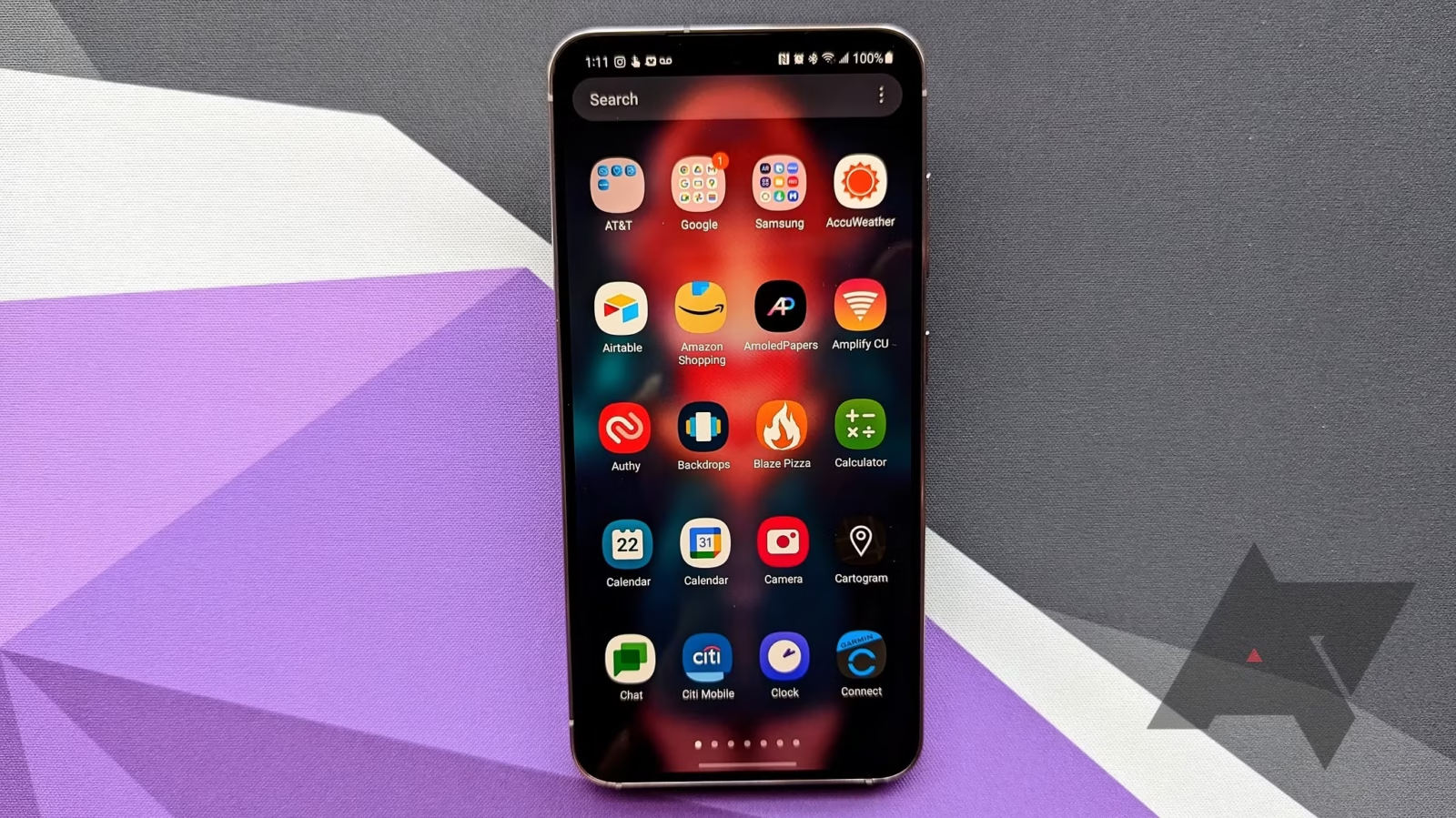

Many buyers are trying to check if their new smartphone from 2025 comes preloaded with unwanted apps after recent changes in device security rules. This guide explains how to verify preinstalled apps, identify risky ones and remove them safely without affecting system stability.
Why preloaded apps matter for every new smartphone in 2025
The number of preinstalled apps varies widely across smartphone brands and models. Some apps improve functionality while others exist only for promotional partnerships. In several cases, these apps consume storage, run background services or access permissions that users never approved. The concern increased earlier this year when new phones were briefly expected to include mandatory security apps before that mandate was rolled back. This led many buyers to double check their devices to ensure no unnecessary software was added. Understanding the purpose of each app helps users keep their devices clean and secure without deleting important system components.
How to identify system apps versus removable third party apps
Secondary keyword: system apps
A phone contains two major categories of preloaded apps. System apps are essential for device functioning and cannot be removed. They include the dialer, system UI elements, messaging framework, update services and device specific tools. Removing these can break key features like network connectivity or security patches. Third party apps include browser alternatives, trial services, shopping apps or promotional tools that some brands bundle. These are usually removable. To differentiate them, users should open the app settings and check the app info page. System apps typically have a smaller storage footprint and show version details linked to the phone manufacturer. Third party apps display regular update cycles through the app store and often show uninstall options directly.
How to check your smartphone for unwanted preloaded apps step by step
Secondary keyword: app audit
Start by going to settings and opening the apps section which displays all installed applications. Switch the view from user apps to all apps so that nothing is hidden. Check the list for unfamiliar names or services that do not match essential system components. Tap each app to read its storage usage, permissions, notifications and background activity. Apps that request unnecessary permissions or run persistent processes without clear purpose require closer scrutiny. New smartphones often include partner apps from e commerce platforms, entertainment services or regional app bundles. If these appear on the device without any user action, they can be marked for removal.
How to safely remove or disable unwanted preloaded apps
Secondary keyword: app removal
Most modern smartphones allow users to uninstall unwanted apps directly from the app info panel. If an app cannot be uninstalled, the disable option usually appears instead. Disable stops the app from running, hides it from the app drawer and prevents it from consuming data or battery. This is helpful for manufacturer bundled apps that are not essential but protected from full removal. Clearing app data before disabling ensures no leftover files remain. If disabling is not available, users can revoke permissions and restrict background data which limits the app’s impact. Avoid using unverified tools or external software to force uninstall system apps because this can trigger boot issues or compromise device integrity.
How to evaluate new smartphones by checking permissions and update behavior
Secondary keyword: app permissions
A clean phone is not defined only by the number of apps but also by the permissions those apps hold. Open the permissions manager in settings to see which apps can access the camera, microphone, location, contacts or storage. If a preloaded app has permissions unrelated to its function, it signals unnecessary risk. Smartphones from 2025 come with more granular permission controls, allowing users to set permissions to ask every time. Examining update behavior also helps identify unnecessary apps. System apps update through the system updater while third party apps update through the app store. If a preloaded app regularly pushes unsolicited notifications, tries to auto update or prompts sign ups, it can be classified as unwanted.
How retailers and carriers influence preloaded app lists
Secondary keyword: carrier apps
In many regions, retailers and carriers preload apps onto smartphones before sale. These include payment apps, browsing tools or loyalty programs that may not be relevant to every buyer. Carrier apps sometimes integrate with network services but many of them operate independently and serve promotional purposes. Buyers can check whether any carrier or retail apps have been added by comparing their app list with the manufacturer’s official documentation. If the device includes apps that are not mentioned in the official list, these can usually be removed without affecting functionality.
Why resetting the device helps confirm unwanted apps
Secondary keyword: factory reset check
Performing a factory reset on a newly purchased device is an effective way to verify whether unwanted apps were added after manufacturing. A reset restores the device to its original state and removes retailer or third party installations. After resetting, users should check the app list again. Apps that reappear are part of the manufacturer bundle while apps that disappear were retailer additions. This step ensures that buyers start using their 2025 smartphone with a clean and verified setup.
Takeaways
Check the app list immediately after unboxing a new 2025 smartphone
Differentiate system apps from removable third party apps before deleting anything
Use the uninstall or disable options to safely manage unwanted apps
Verify carrier or retailer additions by comparing with manufacturer documentation
FAQs
How do I know which preloaded apps are safe to remove
Apps that show an uninstall option and are not part of essential system services are generally safe to remove.
Why do some apps only show the disable option
These apps are manufacturer bundled tools that support internal features but are not core system components, so they can only be disabled.
Can I use external tools to remove system apps
No. Removing protected system apps with external tools can cause instability or make the phone unusable.
Does a factory reset remove all unwanted apps
A factory reset removes retailer and third party additions but manufacturer bundled apps remain on the device.