
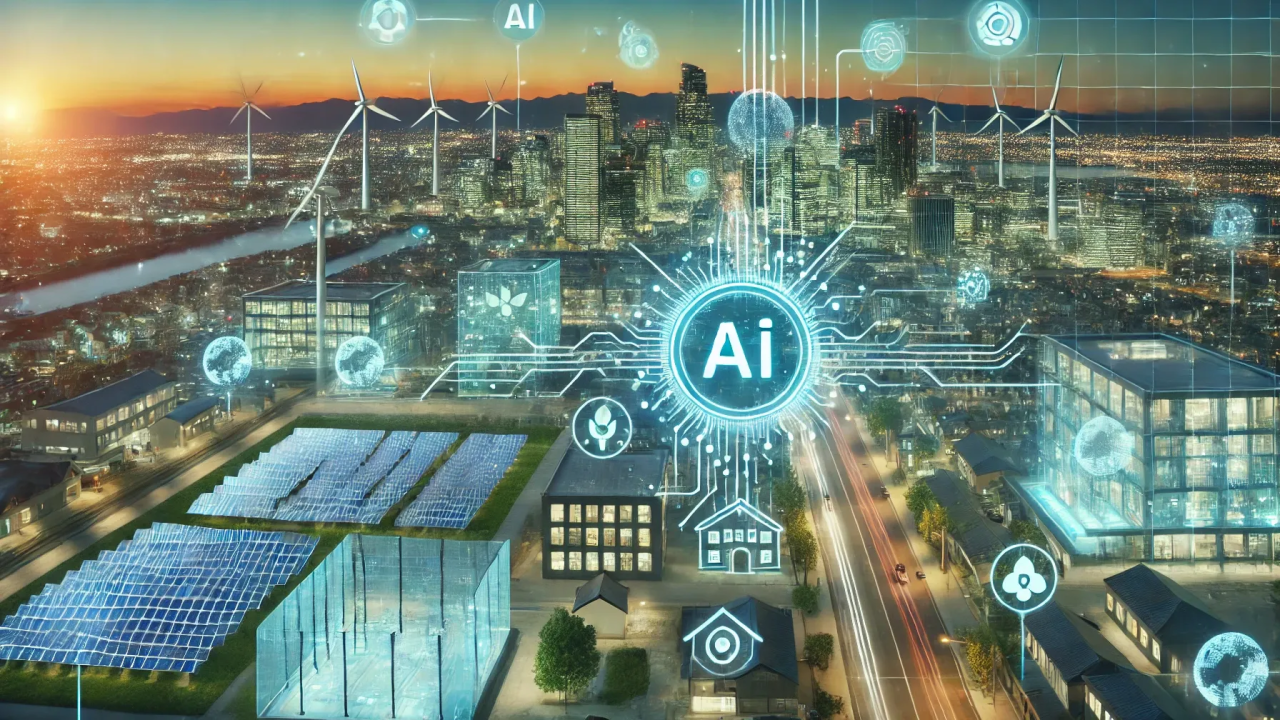

AI powered power distribution and energy saving apps are becoming accessible in small towns as utilities upgrade to smart grid systems. The main keyword appears naturally here. This guide explains how these apps work, how households can benefit and what features matter for reliable usage.
How AI enabled power distribution improves daily electricity management (smart grid basics)
Smart grids use sensors, automated meters and predictive algorithms to regulate electricity flow more efficiently. Earlier distribution depended on manual monitoring which created delays in fault detection and load balancing. AI changes this by analysing real time demand patterns and anticipating load spikes. When households use energy apps connected to these systems, they receive accurate consumption data every few minutes instead of monthly readings. This transparency helps users detect unusual usage and adjust appliance habits. Small town networks benefit because power outages can be isolated faster when the grid identifies faulty lines or overloaded transformers. The shift to automated distribution reduces wastage and increases supply stability, particularly in areas that earlier faced irregular voltage.
Key features inside AI powered energy saving apps for households (app tools and dashboards)
Modern apps display breakdowns of daily, weekly and monthly consumption. Users can track which appliances consume the most energy because smart meters tag high load events. Predictive suggestions help optimise usage by recommending off peak hours for running energy intensive appliances like heaters or washing machines. Some apps allow users to set personal consumption limits. When usage approaches these limits, alerts appear on the dashboard. These features encourage disciplined consumption habits. Bill simulation tools show projected billing amounts, allowing homeowners to adjust behaviour in advance. If solar panels are installed, integrated dashboards show how much energy is being drawn from the grid versus self generated supply. This clarity helps households in small towns plan investments in renewable options.
How small town consumers can benefit from real time energy data (practical usage examples)
In towns where traditional meter reading is inconsistent, digital access provides immediate clarity. Households can detect sudden spikes caused by faulty appliances. If a refrigerator or pump motor begins consuming excess energy, the app highlights anomalies. This allows early repairs and avoids inflated bills. Families managing shared properties or rental homes benefit because real time data reduces disputes around bill sharing. Students and working professionals living in rented rooms can track usage precisely, improving budgeting. Small shops and local businesses can monitor energy patterns during operational hours and identify unnecessary load. These insights support cost control during periods of slow demand.
How utilities use AI to enhance reliability and manage outages (utility operations)
Utilities in several regions are adopting AI to predict faults and plan maintenance. When systems detect abnormal voltage or repeated fluctuations in a local distribution feeder, alerts are generated automatically. This helps engineers respond before outages spread. In storm prone areas, predictive models identify vulnerable infrastructure and prioritise repairs. Load forecasting is another benefit. Utilities estimate future demand based on historical data, weather patterns and local activity trends. Accurate forecasting reduces overloads and stabilises supply. When users track outages through mobile apps, they receive real time updates about progress and expected restoration times. This improves communication and reduces uncertainty during disruptions.
Steps for setting up and using smart energy apps effectively (user onboarding guide)
Users should first ensure that their electricity connection has a smart meter installed or that their utility supports app integration. After installing the app, verifying identity using mobile number and consumer ID activates the account. Households should customise dashboards by enabling notifications for usage limits and outage alerts. Linking the app to smart plugs or compatible appliances provides deeper monitoring. Scheduling high consumption tasks during off peak windows reduces cost. Users should check weekly reports that summarise consumption trends. These reports highlight behavioural patterns that can be modified. Keeping the app updated ensures access to the latest features and bug fixes. In small towns where network connectivity fluctuates, downloading offline summaries helps maintain records when internet access is limited.
Privacy and safety considerations for smart grid connected households (data protection basics)
AI based apps collect consumption data, location information and device usage patterns. Users should review privacy settings and disable features that share unnecessary data. Password protection and two factor authentication add security against unauthorised access. Households must ensure that connected smart plugs and devices are from trusted manufacturers to avoid vulnerabilities. Utilities generally follow strict security protocols but users should remain cautious when granting permissions. Reviewing app permissions periodically is advisable, especially if devices are shared among multiple family members. Transparency about data usage builds trust and encourages broader adoption in small communities.
Takeaways
• AI powered apps provide real time energy tracking and smart grid connectivity
• Predictive features help reduce wastage and identify faulty appliances early
• Utilities use AI to improve reliability and manage outages efficiently
• Custom alerts and scheduled usage improve budgeting for small households
FAQs
Do I need a smart meter to use AI energy saving apps
Most features require smart meters because they transmit real time data. Basic billing features may work without one but advanced tracking will not.
Can AI energy apps reduce my electricity bill
Yes, by identifying high consumption patterns and suggesting optimal usage times, these apps help reduce unnecessary load.
Are smart grid apps safe for small town users
They are generally safe if users follow privacy guidelines, use secure passwords and install apps only from official utility platforms.
Can businesses in small towns use these apps
Yes, small shops and offices can monitor energy trends, schedule appliance usage and control costs more effectively.