
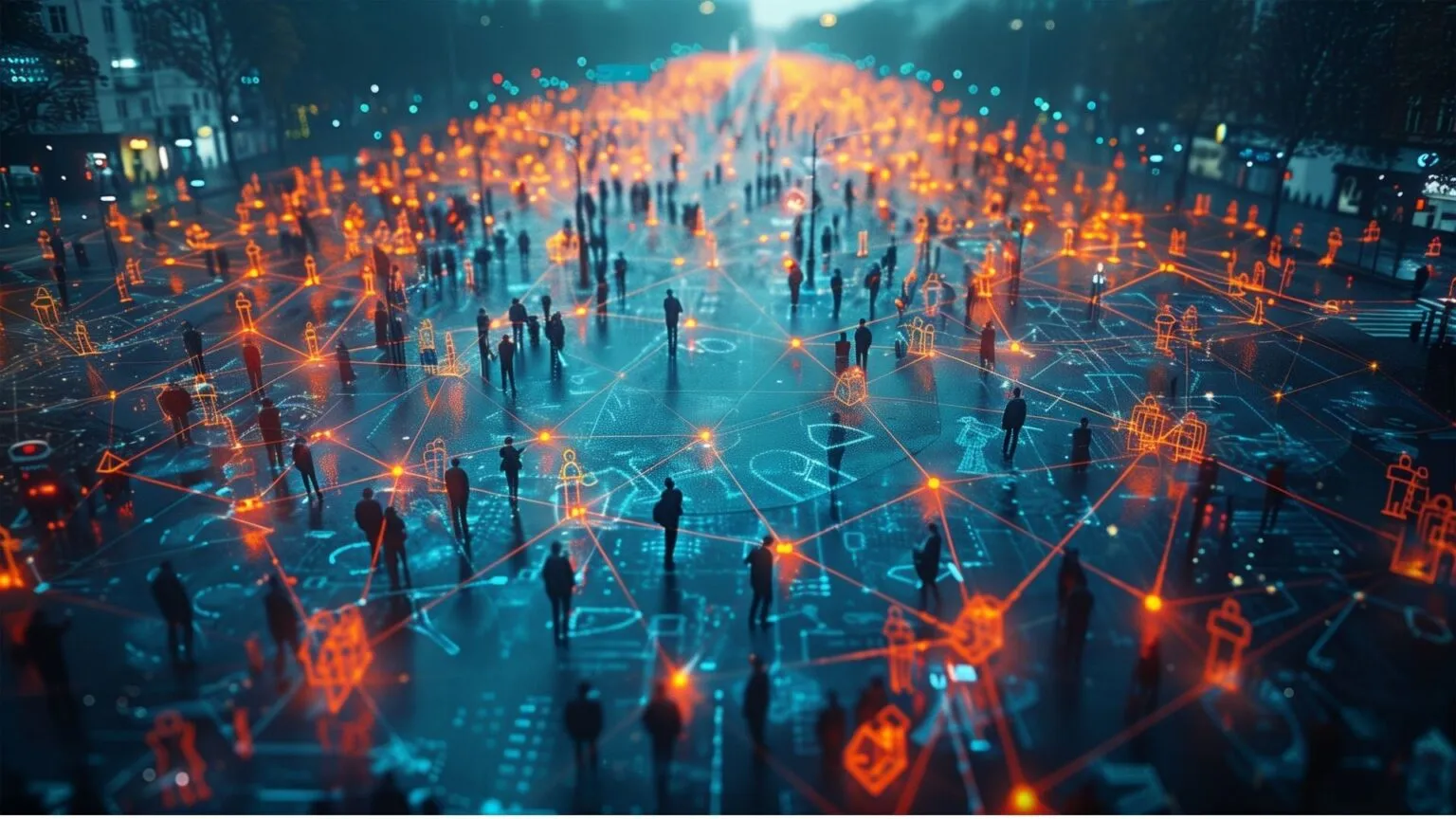

AI driven crowd management alerts are becoming part of public safety systems in several Indian cities, especially during large events and seasonal sessions. This technology uses real time video analytics to detect unusual crowd density and alert authorities, and the first paragraph uses the main keyword naturally to support SEO. For citizens, it signals a shift toward faster response, better mobility planning and more predictable urban experiences.
Understanding How AI Based Detection Operates
AI systems track crowd flow patterns through feeds from CCTV networks and public sensors. The software identifies density spikes, direction changes or bottlenecks and flags them when they cross preset thresholds. This approach helps city agencies respond before a situation becomes unmanageable. For example, if a crowd begins forming near a bus stand during peak hours, the system will generate an early alert that can be shared with control rooms and field staff.
The technology works by comparing normal movement patterns with real time anomalies. It predicts stress points rather than waiting for congestion to escalate. For citizens, the immediate impact is smoother movement during events, reduced wait times and fewer sudden blockages. Cities deploying such models report faster decision making and clearer coordination between police, transport teams and emergency units.
Practical Uses For Daily Commuters And Local Residents
Secondary keyword: public safety
AI driven alerts improve visibility for commuters because agencies can redirect foot traffic, adjust barricades or open auxiliary gates before crowds intensify. Bus and metro officials can issue announcements or modify departure frequencies when congestion starts building. This reduces the chance of stampedes or overcrowding on platforms, which is often a concern in Tier 2 and Tier 3 cities during festivals or political gatherings.
Residents benefit when alerts feed into citizen facing channels. Some cities are testing public dashboards and mobile notifications that show crowd hotspots. If a market area is experiencing heavy footfall, shoppers can choose alternative routes or visit during lighter hours. This makes everyday planning more predictable and supports small businesses that depend on regular customer flow.
Impact On Governance And Emergency Response
Secondary keyword: smart city systems
AI tools help police and municipal teams allocate manpower more efficiently. Instead of deploying officers uniformly, supervisors can send teams to zones where alerts indicate rising pressure. This targeted deployment saves resources while improving safety outcomes. Emergency services gain clearer pathways when movement is regulated early.
Such systems also strengthen accountability. Each alert leaves a digital trail that can be reviewed to understand how decisions were made and where response gaps exist. This feedback loop helps refine future planning for major processions, VIP visits or seasonal tourism surges. When used correctly, AI becomes a support tool that enhances human judgment rather than replacing it.
What Citizens Should Know About Privacy And Accuracy
Secondary keyword: data protection
AI tools primarily analyze movement, density and patterns, not personal identities. The systems typically work on anonymized inputs focused on crowd behavior rather than individuals. However, citizens should still expect clear communication from authorities about what data is collected, how long it is stored and how accuracy checks are conducted.
Accuracy depends on the quality of camera angles, lighting and calibration. False positives may occur when shadows, vehicles or temporary installations distort the visuals. Agencies must ensure regular audits and verification protocols to minimize errors. A transparent explanation of how alerts are validated builds public trust and supports smoother adoption.
How This Technology Shapes The Future Of Urban Mobility
As cities become denser, crowd pressure points will increasingly influence traffic, commerce and policing. AI driven alerts give administrators a forward looking tool that reduces guesswork. Wider adoption could lead to integrated systems where transport apps, event organizers and civic dashboards share synchronized information about crowd flow.
For citizens, this means fewer unpredictable disruptions, safer public spaces and a more organized environment during mass events. The biggest long term effect will be the normalization of proactive city management where alerts guide planning instead of reactive manual intervention.
Takeaways
AI driven crowd alerts provide early warnings that improve public safety.
Citizens benefit through smoother mobility and fewer congestion surprises.
Authorities can deploy resources based on real time pressure points.
Accuracy and privacy safeguards are essential for sustainable adoption.
FAQs
How does an AI driven crowd management alert work
It analyzes video feeds to detect abnormal density or movement patterns and notifies control rooms when thresholds are crossed.
Do these alerts track individual identities
The focus is on crowd behavior, not personal identification. Most deployments use behavior based analytics without storing personal identity data.
How will citizens receive alerts in the future
Cities are testing public dashboards, mobile notifications and integrated traffic updates to share crowd status directly with commuters.
Can the system make mistakes in identifying crowding
Yes, accuracy depends on camera quality and calibration, so validation protocols are necessary to reduce false positives.