

How to stay warm and safe this winter is a priority for residents in Maharashtra and other cold wave zones, and the main keyword appears naturally in the first paragraph. Lower temperatures, shifting wind patterns and extended night chill require focused preparation. A mix of home adjustments, clothing choices and health precautions can significantly reduce seasonal risks.
Understanding Local Winter Patterns And Risks
Maharashtra experiences a unique winter pattern influenced by northern winds and dry air masses. Cities such as Nagpur, Nashik and Pune often record sharp night temperature drops that can strain vulnerable groups. Cold wave conditions tend to intensify when humidity levels fall and clear skies allow faster heat loss after sunset.
Residents should track temperature forecasts closely because day to night variations can affect outdoor routines, work schedules and commuting plans. For example, mild afternoons may mislead people into underestimating the severity of evening chill. Awareness helps families plan clothing layers, heater use and travel timing more effectively.
Early signals of cold waves include sudden drops in minimum temperatures, unusual morning fog and increased reports of respiratory discomfort. Preparing ahead prevents reactive decisions that compromise safety.
Strengthening Home Insulation And Heating Practices
Most homes in Maharashtra are not built for extreme winter insulation, making small adjustments essential. Sealing window gaps using simple weatherproof tape reduces cold drafts. Thick curtains help maintain indoor warmth by blocking air seepage.
Residents should use room heaters safely by keeping them at a distance from curtains and furniture. Overuse of heating devices without ventilation can cause dryness or mild suffocation. A balanced practice is to run heaters intermittently rather than continuously. For families with infants or elderly members, maintaining stable indoor temperatures is more important than achieving high warmth levels.
Warm bedding also matters. Layering blankets, using thermal bedsheets or placing rugs on tile floors helps reduce heat loss. These small adjustments improve comfort without sharply increasing electricity consumption.
Choosing The Right Winter Clothing And Layering Tactics
Layering remains the most effective clothing method in regions with fluctuating temperatures. Start with thermal innerwear, add a mid layer such as a sweatshirt and finish with an outer jacket. The advantage of layering is flexibility as temperatures shift through the day.
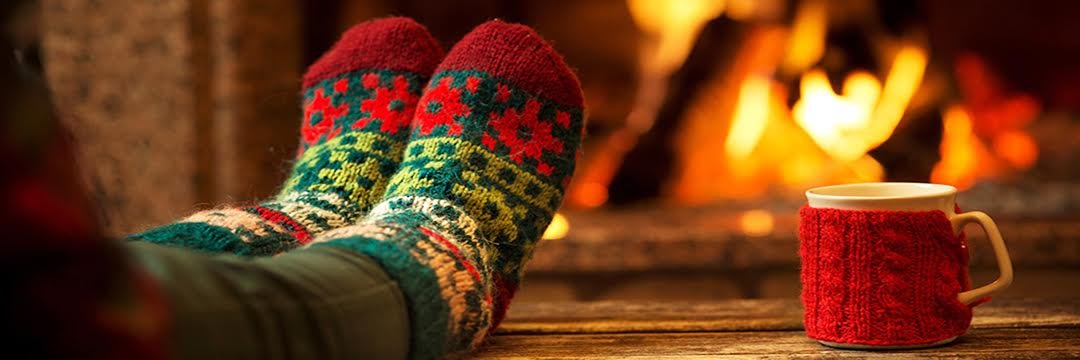
Head and foot protection are often ignored. A significant portion of body heat escapes through the head, so wearing caps or woollen headgear helps maintain warmth. Thick socks or insulated footwear prevent cold exposure during morning commutes. In districts experiencing heavy fog, reflective clothing enhances visibility for road safety.
Residents working in open spaces such as markets, construction sites or public service roles should choose wind resistant jackets. These protect against direct gusts that accelerate heat loss and trigger early fatigue.
Managing Health Risks Associated With Winter
Cold weather increases the risk of respiratory infections, joint stiffness and dehydration. People often drink less water in winter even though the body still needs adequate hydration. Regular warm water intake helps maintain metabolic balance and reduces throat irritation caused by dry winds.
Individuals with asthma should carry prescribed inhalers while stepping outdoors, especially during early mornings. Fog and pollutants can combine to irritate airways. Keeping indoor plants or using basic air purifiers can improve air quality for sensitive individuals.
For senior citizens, light warm up exercises improve flexibility and circulation. Sudden exposure to cold surfaces, such as stepping barefoot on tiled floors, should be avoided as it increases muscle stiffness.
Diet also plays a role. Including seasonal vegetables, warm soups and foods rich in vitamin C supports immunity during prolonged cold spells.
Travel And Outdoor Safety During Peak Chill
Cold wave zones often experience fog and reduced visibility during early hours, affecting road safety. Residents should start two wheeler rides only after checking visibility levels. Using fog lights and reflective stickers reduces accident risks.
Those commuting long distances by train or bus should carry blankets or shawls because night journeys can feel significantly colder than daytime conditions. For children attending early school shifts, layering clothing and covering ears can prevent morning chill related headaches.
Outdoor workers should take short warm up breaks to avoid sudden drops in body temperature during prolonged exposure. These breaks improve productivity and reduce fatigue.
Takeaways
Layered clothing and basic home insulation significantly improve winter comfort.
Tracking cold wave conditions helps residents plan daily routines safely.
Hydration, nutrition and respiratory care reduce winter related health risks.
Visibility checks and protective gear are essential for safe winter travel.
FAQs
Why do temperatures fall sharply in Maharashtra during winter
Northern wind flow and clear skies allow rapid night cooling, causing sharper drops in minimum temperatures in several districts.
How can I keep my home warm without high electricity use
Seal window gaps, use thick curtains, layer bedding and operate heaters intermittently to maintain warmth efficiently.
Is dehydration common in winter
Yes. People tend to drink less water in cold weather even though the body still requires regular hydration.
What precautions should two wheeler riders take during fog
Use reflective clothing, check visibility, avoid overspeeding and switch on fog lights or low beams for clearer road perception.