
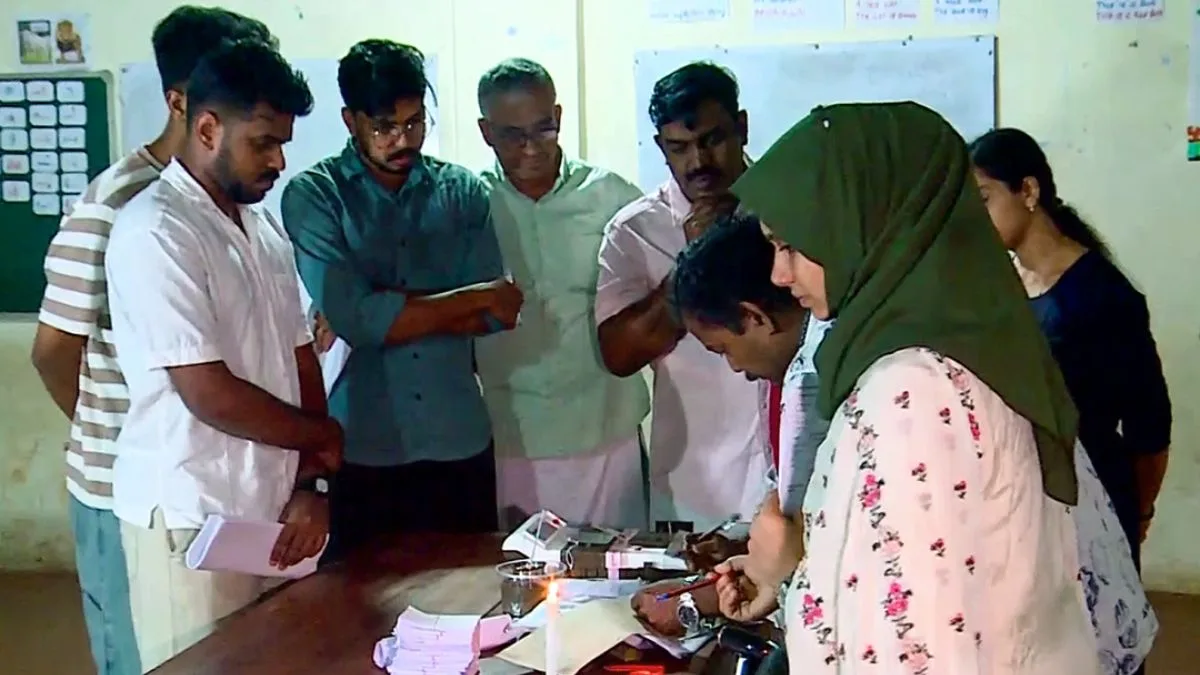

Kerala local body election results 2025 reflect shifting voter priorities at the grassroots level, with turnout, ward level wins, and alliance performance offering clear signals ahead of future state politics. This is a time sensitive news topic driven by officially declared results and immediate local impact.
The Kerala local body election results matter because panchayats, municipalities, and corporations directly influence daily civic governance, welfare delivery, and political momentum across districts.
Overview of Kerala Local Body Election Results 2025
The Kerala local body election results 2025 cover gram panchayats, block panchayats, district panchayats, municipalities, and municipal corporations. Voting took place across urban and rural regions with competitive contests among major political fronts and independents.
Overall turnout remained strong compared to previous cycles, indicating sustained public engagement in local governance. Rural areas recorded higher participation than urban wards, continuing a long standing trend in Kerala elections.
The results show fragmented verdicts in several districts rather than a single sweeping mandate, highlighting voter focus on local leadership performance rather than state level narratives.
Winners and Performance of Major Political Fronts
The Left Democratic Front retained a strong presence in rural local bodies, particularly in northern and central Kerala. Its performance remained stable in panchayats where welfare schemes and local development projects were visible.
The United Democratic Front made gains in select municipalities and urban local bodies, especially in regions facing civic infrastructure stress. Improved performance in towns and semi urban areas signals growing urban voter expectations.
The Bharatiya Janata Party continued to expand its footprint in specific wards and municipalities, even where it did not secure overall control. Independent candidates and smaller parties also performed well in hyper local contests, often driven by personal credibility rather than party branding.
Voter Turnout Trends and What They Indicate
Voter turnout in Kerala local body elections 2025 remained among the highest in the country for local polls. Gram panchayats saw consistently high participation, while municipal corporations recorded comparatively lower but still competitive turnout.
Higher turnout in rural areas suggests voters see local bodies as critical for welfare access, infrastructure, and grievance resolution. In urban areas, voter fatigue and migration played a role in marginally lower participation.
Youth participation showed mixed trends. While first time voters participated actively in semi urban regions, urban youth turnout remained lower, reflecting broader disengagement with local civic politics.
District Level Patterns and Regional Shifts
Northern districts displayed continuity with previous local election trends, with minimal seat volatility. Central Kerala saw tighter contests and split verdicts across neighboring local bodies, indicating localized issue based voting.
Southern districts witnessed increased competition in municipalities where waste management, road conditions, and water supply dominated campaigns. Coastal regions showed strong support for candidates focused on livelihood protection and environmental issues.
These regional patterns underline the importance of micro level governance performance over ideological alignment in local elections.
What the Results Mean for Local Governance
The Kerala local body election results 2025 will directly shape decision making on roads, sanitation, drinking water, health centers, and local welfare schemes. Councils with fragmented mandates may see slower decision making but stronger negotiation driven governance.
For citizens, results determine how responsive local administrations will be to complaints and service delivery. Strong independent representation in some areas could lead to issue focused governance but may also challenge coordination.
The outcomes also affect allocation priorities at the district level, influencing development planning over the next five years.
Political Implications Beyond Local Bodies
While local elections are not direct predictors of assembly or parliamentary outcomes, they offer early signals. Performance trends will influence candidate selection, alliance negotiations, and campaign strategies for upcoming state level elections.
Parties will analyze booth level data to identify weak zones and consolidate strongholds. Gains in urban local bodies could reshape future political messaging, especially around civic governance and accountability.
The results also test the effectiveness of grassroots organization and leadership renewal within parties.
Key Takeaways for Voters and Parties
For voters, the elections reaffirm the power of local participation. For parties, the results highlight that governance delivery matters more than slogans at the grassroots level.
Local bodies will now transition from election mode to execution, and public scrutiny will increase as expectations rise.
Takeaways
Kerala local body election results 2025 show strong voter engagement at grassroots level
No single front dominates across all regions, indicating issue based voting
Rural turnout remains higher than urban participation
Results will shape local governance priorities for the next five years
FAQs
What are local body elections in Kerala
They elect representatives to panchayats, municipalities, and corporations responsible for local governance.
Did any party win a sweeping mandate in 2025
No. The results show mixed outcomes with regional variations and fragmented mandates.
Why is voter turnout important in local elections
High turnout indicates public trust in local governance and civic participation.
Do local body results affect state elections
They do not decide state elections directly but influence political strategies and momentum.