
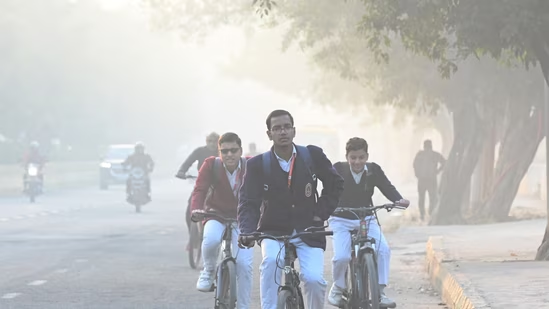

Delhi schools shift to hybrid mode as pollution levels remain severe across the national capital, disrupting normal classroom learning and forcing authorities to prioritise student health. The decision reflects an emergency response to persistent air quality concerns, rising respiratory cases, and mounting pressure from parents and health experts.
Why Delhi Schools Shifted to Hybrid Mode
Delhi schools shift to hybrid mode primarily due to sustained high air pollution levels that have pushed the Air Quality Index into severe and very poor categories for multiple days. Low wind speed, winter temperature inversion, vehicular emissions, construction dust, and crop residue smoke have combined to trap pollutants over the city.
Children are among the most vulnerable groups affected by toxic air. Prolonged exposure increases the risk of asthma flare ups, eye irritation, throat infections, and reduced lung capacity. Medical advisories have consistently warned against outdoor exposure during peak pollution days, especially for young students.
In response, education authorities directed schools to reduce physical attendance while maintaining academic continuity through online classes. Hybrid learning allows schools to limit outdoor movement without fully suspending teaching schedules.
How Hybrid Mode Works for Delhi Schools
Under the hybrid mode system, schools conduct a mix of online and offline classes depending on grade level and daily pollution readings. Primary classes are often fully online, while senior students attend school on staggered schedules to reduce crowding.
Morning assemblies, outdoor sports, and physical activities have been suspended. Schools operating offline have been instructed to keep classrooms ventilated, restrict outdoor exposure, and allow flexible attendance for students with health conditions.
Online learning platforms are being used to deliver lectures, assignments, and assessments. Schools are also recording sessions to ensure students who miss live classes can keep pace with the syllabus.
Impact on Students and Parents
The shift to hybrid mode has created mixed reactions among parents and students. Health safety has been widely welcomed, but concerns remain around screen time, learning gaps, and exam preparation.
Younger students struggle with prolonged online engagement, while parents working from home face added responsibility in supervising classes. For senior students preparing for board exams, hybrid learning requires greater self discipline and time management.
However, many parents prefer hybrid classes over complete school closures. It ensures academic continuity while reducing health risks. Schools are also offering counselling support and flexible deadlines to reduce stress during this period.
Teachers and School Administration Response
Teachers have had to adapt lesson plans quickly to suit both online and offline formats. Managing hybrid classrooms requires additional preparation, digital tools, and constant coordination with students and parents.
School administrations are monitoring daily pollution advisories and adjusting schedules accordingly. Some schools have set internal air quality thresholds to decide whether physical classes should continue on a given day.
Training sessions have been conducted to help teachers improve online delivery and student engagement. Schools are also communicating regularly with parents through circulars and digital platforms to clarify attendance norms and health precautions.
Local Government Measures to Control Pollution
Alongside the shift in school operations, local authorities have activated emergency pollution control measures. These include restrictions on construction activity, limits on diesel generators, increased public transport availability, and advisories against non essential travel.
Anti smog guns and mechanical road sweeping are being deployed in high traffic zones. Industries operating in and around Delhi are under tighter emission monitoring during peak pollution days.
Health departments have advised residents to use masks outdoors and avoid physical exertion during high pollution hours. These measures aim to reduce immediate exposure while long term solutions are explored.
Health Experts Warn of Long Term Risks
Health experts have repeatedly highlighted that repeated exposure to severe air pollution during childhood can have long term consequences. Reduced lung development, increased allergy sensitivity, and higher risk of chronic respiratory conditions are key concerns.
Doctors have reported a rise in outpatient visits related to breathing difficulties and eye irritation among school aged children. Hybrid schooling is viewed as a preventive step rather than a complete solution.
Experts stress that while hybrid mode reduces exposure, sustained policy action on pollution sources is essential to avoid recurring disruptions every winter.
What to Expect in the Coming Weeks
The continuation of hybrid mode will depend on weather conditions and pollution trends. Improved wind flow or rainfall could temporarily improve air quality, allowing more offline classes.
However, if pollution remains severe, authorities may extend hybrid learning or impose stricter restrictions. Schools are expected to remain flexible and prioritise student health over rigid academic timelines.
Parents are advised to stay updated through official school communications and ensure children follow basic health precautions at home and outdoors.
Takeaways
- Delhi schools shift to hybrid mode to reduce student exposure to severe air pollution
- Primary classes are mostly online while senior classes follow staggered attendance
- Parents and teachers face adjustment challenges but health safety is prioritised
- Hybrid learning may continue until air quality shows sustained improvement
FAQs
Why have Delhi schools moved to hybrid mode instead of closing fully?
Hybrid mode allows learning continuity while limiting health risks, avoiding complete academic disruption.
Which students are most affected by the pollution decision?
Primary school children and those with respiratory conditions are most affected and often kept fully online.
How long will hybrid classes continue in Delhi schools?
The duration depends on pollution levels and government advisories issued based on air quality trends.
Are exams postponed due to hybrid schooling?
Schools are adjusting internal assessments, but major exam decisions depend on further official instructions.