
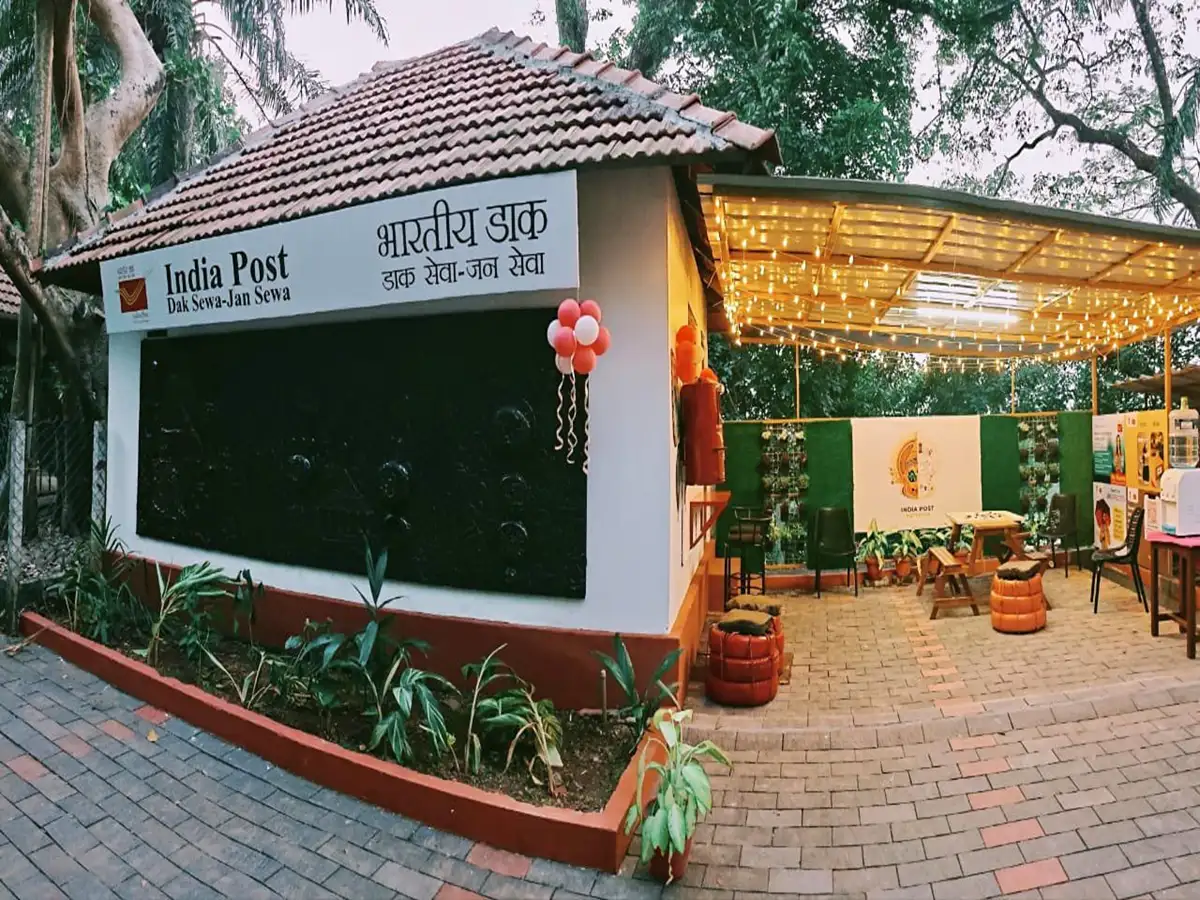

India Post offices in Kerala and Andhra Pradesh are undergoing a visible transformation driven by Gen Z students, marking a youth centric public service reform focused on modernisation, accessibility, and relevance. The initiative reflects how student participation is reshaping traditional government services to align with contemporary expectations.
Why India Post Needed a Gen Z Makeover
India Post offices in Kerala and Andhra Pradesh have long been associated with legacy systems, slow service perception, and declining footfall among younger citizens. As digital payments, courier apps, and private logistics expanded, traditional post offices faced relevance challenges, especially among Gen Z users.
The Gen Z makeover initiative emerged to bridge this gap. Authorities recognised that public services must evolve not just technologically but also culturally. Engaging students brought fresh design thinking, user experience awareness, and communication strategies rooted in how young citizens interact with services today.
This reform is time sensitive and news driven, as it reflects an ongoing pilot style rollout rather than a completed long term programme.
Role of Students in Driving Modernisation
Students from design, architecture, management, and technology backgrounds played a central role in reimagining India Post offices. Their involvement went beyond cosmetic changes and focused on functional improvements.
They studied customer movement, waiting time issues, signage clarity, and service bottlenecks. Based on these observations, students proposed layout redesigns, clearer service counters, improved lighting, digital display boards, and simplified information flow.
In Kerala and Andhra Pradesh, select post offices adopted these student led recommendations. The collaboration demonstrated how youth participation can bring practical solutions grounded in everyday user behaviour rather than top down assumptions.
Visible Changes Inside Post Offices
The Gen Z makeover has led to noticeable changes inside participating India Post offices. Interiors are cleaner, brighter, and more organised. Wall clutter has been reduced, and essential information is displayed clearly using simple language and visual cues.
Dedicated service zones help visitors identify counters for banking, parcels, savings schemes, and postal services quickly. Seating arrangements are more structured, reducing confusion and crowding.
Some offices have introduced digital token systems and display screens to improve queue management. These changes improve efficiency while also making the space feel less intimidating for first time or younger visitors.
Youth Centric Services and Communication
A key focus of the India Post Gen Z makeover is making services understandable and appealing to young users. Students helped redesign posters, brochures, and notice boards to remove jargon and present information in a concise manner.
Social media style communication principles were applied. Short explanations, icons, and step based guides replaced dense text. This makes services like savings accounts, insurance schemes, and parcel tracking easier to understand.
In some locations, help desks staffed by trained personnel assist customers unfamiliar with procedures. This approach reflects a shift from transactional service to guided support, which resonates more with Gen Z expectations.
Impact on Local Communities and Footfall
Early indicators suggest that redesigned India Post offices are seeing improved footfall and better public perception. Younger users who previously relied solely on private courier or digital platforms are reconsidering India Post for certain services.
Local communities benefit from smoother service delivery and reduced waiting times. Elderly citizens also find the clearer layouts helpful, showing that youth centric design does not exclude older users.
In Kerala and Andhra Pradesh, the initiative has strengthened the image of India Post as a modern public institution rather than an outdated service provider. This perception shift is crucial for long term sustainability.
Government Perspective on Public Service Reform
From a governance standpoint, the Gen Z makeover aligns with broader public service reform goals. It demonstrates how involving students and young professionals can reduce costs while improving outcomes.
Rather than large scale infrastructure spending, the focus is on optimisation of existing spaces and processes. Authorities view this as a scalable model that can be replicated across other states if results remain positive.
The initiative also supports skill development by giving students exposure to real world public sector challenges. This builds awareness and interest in governance among young citizens.
Challenges and Limitations of the Initiative
Despite positive outcomes, challenges remain. Not all post offices can be upgraded quickly due to space constraints, staffing limitations, or funding approvals.
Sustaining improvements requires consistent maintenance and staff training. Without follow through, redesigned spaces risk slipping back into old patterns.
There is also a need to ensure that digital additions do not alienate users uncomfortable with technology. Balancing innovation with inclusivity remains a key consideration.
What This Means for the Future of India Post
The Gen Z makeover of India Post offices in Kerala and Andhra Pradesh signals a shift in how public services can evolve. It shows that reform does not always require massive policy changes but can begin with user focused design and youth involvement.
If expanded, this approach could modernise post offices nationwide and restore trust among younger citizens. It also sets a precedent for other public institutions to collaborate with students for practical reform.
This initiative highlights that when Gen Z is invited to participate in governance, the results can be tangible, cost effective, and socially impactful.
Takeaways
- India Post offices in Kerala and Andhra Pradesh are being modernised through Gen Z participation
- Students contributed to layout design, service flow, and communication improvements
- Youth centric changes improved accessibility for all age groups
- The initiative offers a scalable model for public service reform
FAQs
What is the Gen Z makeover of India Post offices?
It is a student driven initiative to modernise post office design, services, and communication to suit current user expectations.
Which states are currently part of this initiative?
Kerala and Andhra Pradesh are among the states where pilot transformations have been implemented.
Are these changes only cosmetic?
No, the makeover includes functional improvements like better service flow, clearer information, and queue management.
Will this initiative expand to other states?
Expansion depends on outcomes and administrative decisions, but the model is being closely observed for wider adoption.