
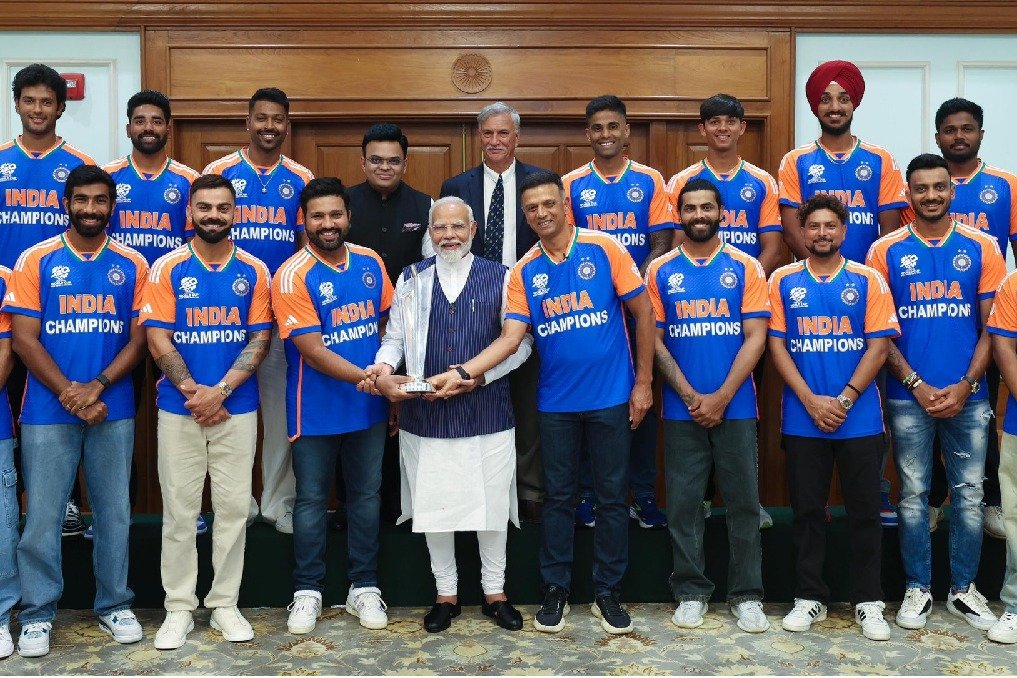

PM Modi HM Shah congratulate Indian teams after recent international and national sporting successes, a move that goes beyond celebration. The messaging reflects a deliberate sports diplomacy strategy as India approaches major national and global sporting events.
Nature Of The Topic And Why It Matters Now
This topic is time sensitive and news driven. When PM Modi HM Shah congratulate Indian teams publicly, it is not treated as routine protocol. In the current context, these messages align with India’s broader positioning ahead of upcoming national sports events, international tournaments, and global hosting ambitions.
Sports diplomacy has become an active tool in India’s public communication strategy. Recognition from top political leadership signals institutional backing for athletes and federations at a time when performance pressure and global visibility are rising.
The timing of these messages matters as India prepares for high profile sporting calendars and seeks to project stability, unity, and competitive strength.
Understanding Sports Diplomacy In The Indian Context
Sports diplomacy refers to the use of sports achievements and engagement to build national image, unity, and international influence. In India, this approach has intensified over the last decade.
When senior leaders acknowledge teams publicly, it sends signals to multiple audiences. Athletes receive validation. Sports administrators receive political backing. Citizens see sports positioned as a national priority rather than peripheral entertainment.
India’s leadership increasingly frames sports success as part of nation building. This aligns with broader narratives of discipline, global competitiveness, and youth empowerment.
Why Public Congratulatory Messages Carry Weight
Public congratulations from PM Modi and HM Shah are carefully calibrated. These messages are widely amplified across digital platforms, mainstream media, and government channels.
For athletes, such recognition boosts morale and reinforces the idea that performance is noticed at the highest level. For sports bodies, it strengthens accountability and expectations around preparation and results.
Internationally, these gestures highlight India’s intent to be seen as a serious sporting nation. Consistent messaging builds continuity rather than one off reactions.
Link Between Political Messaging And Upcoming Sports Events
India is entering a phase where it is hosting and bidding for more sporting events. Political endorsement plays a role in reinforcing credibility with international federations and sponsors.
Congratulating teams ahead of national events sets a tone of momentum. It signals that sports outcomes are linked to national prestige and preparedness.
This approach also builds public anticipation. When leadership engages early, it frames upcoming tournaments as collective national moments rather than isolated competitions.
Domestic Impact On Athletes And Youth
For young athletes and aspirants, visible support from political leadership carries symbolic value. It reinforces sports as a viable career path, especially in Tier 2 and Tier 3 cities where institutional encouragement matters.
Parents often view sports careers as risky. Repeated recognition from national leaders helps normalize sports as a respected profession.
This also aligns with government investment in sports infrastructure, training programs, and talent identification initiatives across states.
Strategic Messaging Beyond Performance
These congratulatory messages are not limited to medal counts. They often emphasize teamwork, discipline, and resilience.
This narrative aligns sports success with broader governance themes. It positions athletes as role models contributing to national values.
Such messaging also reduces over focus on individual stars and shifts attention to team culture and system building.
International Signaling And Soft Power
Globally, sports achievements contribute to soft power. Public acknowledgment by national leaders adds diplomatic weight to sporting outcomes.
When Indian teams perform well and receive immediate recognition, it signals confidence and organizational cohesion. This matters when engaging with international sporting bodies, sponsors, and host nations.
Sports diplomacy complements traditional diplomacy by reaching audiences that political communication alone cannot.
Risks Of Over Politicization
While political recognition has benefits, there are risks. Over politicization of sports can create pressure on athletes or expectations tied to national narratives.
Maintaining balance is essential. Recognition should remain inclusive and performance focused rather than partisan.
So far, the messaging has largely stayed within celebratory and motivational boundaries, avoiding controversy.
What This Signals For Sports Governance
Public engagement from top leadership increases scrutiny on sports governance. Federations and associations face higher expectations around transparency, athlete welfare, and results.
This can drive reform indirectly. When sports become a visible national priority, inefficiencies are harder to ignore.
Over time, this may push improvements in administration, funding utilization, and long term planning.
What To Watch In The Coming Months
As national events approach, expect more coordinated messaging around sports. Leadership presence at key events, funding announcements, and athlete outreach may increase.
The consistency of engagement will indicate whether sports diplomacy remains a sustained strategy or peaks around major tournaments.
Performance outcomes combined with governance actions will determine long term impact.
Takeaways
PM Modi HM Shah congratulate Indian teams as part of broader sports diplomacy
Public recognition boosts athlete morale and national sports visibility
Messaging aligns with upcoming national and international sporting events
Sustained engagement raises expectations for sports governance and performance
FAQs
Why do political leaders congratulate sports teams publicly
It signals national support, boosts morale, and reinforces sports as a priority area.
Does this affect athletes directly
Yes, recognition increases confidence and visibility while raising performance expectations.
Is this approach new in India
The frequency and strategic timing of such messaging has increased in recent years.
Can sports diplomacy influence international perception
Yes, consistent engagement enhances soft power and global sporting credibility.