
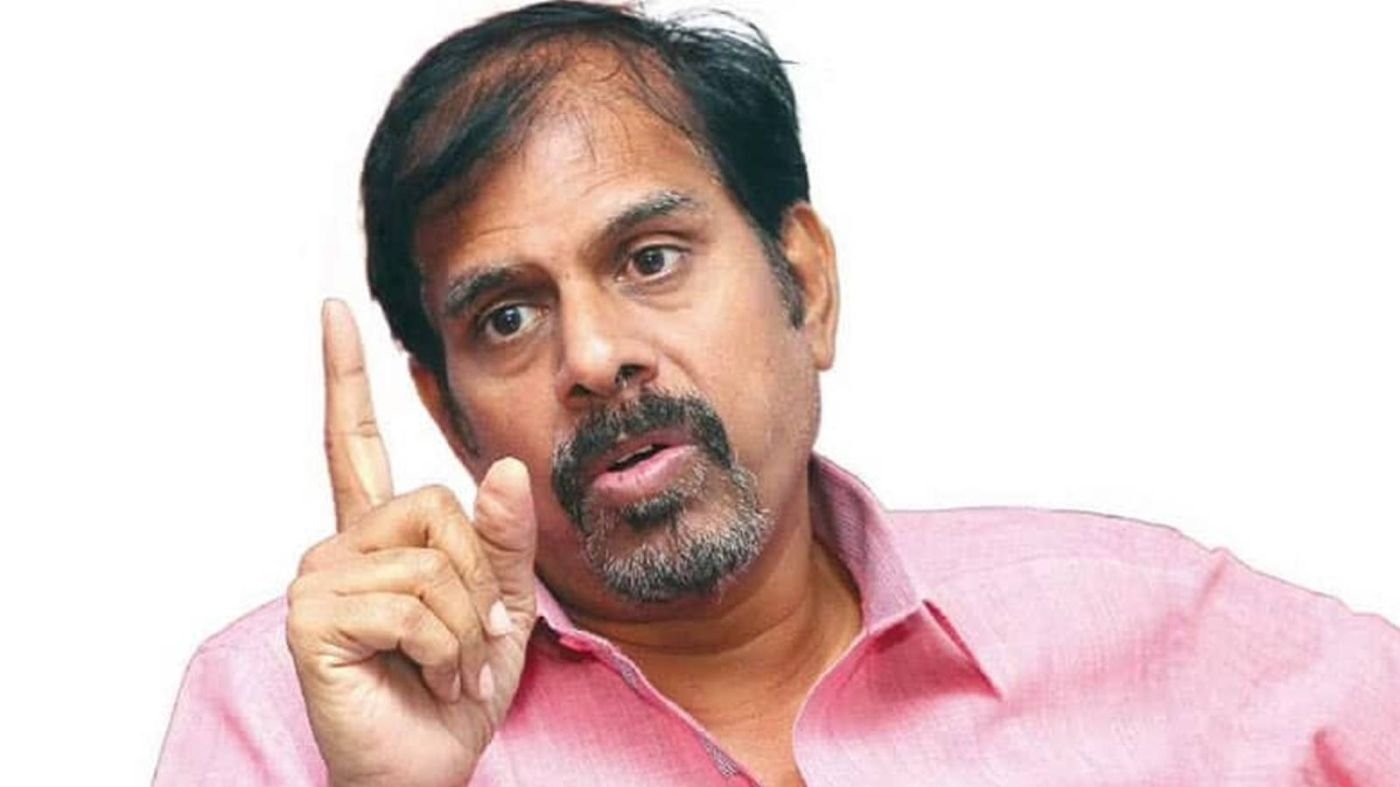

Director RK Selvamani’s OTT critique has sparked a sharp debate across the Indian film industry, especially among producers, actors, and regular viewers. His comments questioning the sustainability of OTT platforms and their impact on filmmaking economics have gone viral, pushing an ongoing but often muted conversation into the mainstream.
The remarks come at a time when OTT platforms are recalibrating budgets, cutting content spends, and re evaluating long term strategies. As reactions pour in online, the discussion now goes beyond one director’s opinion and reflects broader industry anxiety.
What RK Selvamani Said About OTT Platforms
RK Selvamani’s OTT critique focuses on how streaming platforms initially inflated content budgets and talent fees, only to later withdraw or scale back aggressively. According to him, this sudden shift has disrupted filmmakers who structured projects assuming stable OTT backing.
He pointed out that several mid budget films and series were greenlit quickly during the OTT boom, creating unrealistic expectations about returns and creative freedom. When platforms later tightened spending, many projects were stalled or shelved, leaving creators exposed.
This criticism resonated because it echoed the experience of many independent and regional filmmakers who relied on OTT platforms as alternatives to theatrical releases.
Why the Timing of This OTT Debate Matters
The OTT market in India is no longer in its expansion phase. Subscriber growth has slowed, acquisition costs are under scrutiny, and profitability has become the primary focus. Platforms are reducing original content volumes, renegotiating contracts, and favoring safer formats.
RK Selvamani’s OTT critique lands at this inflection point. His comments reflect the frustration of filmmakers who entered the OTT ecosystem when money was abundant but now face a more cautious market.
Producers from regional industries have particularly highlighted how smaller language projects are the first to be affected when budgets shrink. This makes the debate relevant beyond the Tamil film industry.
Producer Reactions to RK Selvamani’s OTT Critique
Producer reactions online have been mixed but largely engaged. Some producers agree that OTT platforms created an artificial bubble by overpaying for content and talent, distorting market realities.
Others counter that OTT platforms offered survival opportunities during periods when theatrical releases were uncertain. They argue that platforms cannot be blamed for adjusting strategies in response to market conditions.
Several producers also point out that contracts are evolving. Revenue sharing, performance based payments, and tighter cost controls are becoming standard. From this perspective, the OTT ecosystem is maturing rather than collapsing.
Viewer Responses and Online Audience Sentiment
Viewers reacting to RK Selvamani’s OTT critique show a different concern. Many audiences feel that reduced budgets have already impacted content quality, with repetitive themes and safer storytelling becoming more common.
Some viewers support the director’s stance, arguing that OTT platforms now prioritize algorithms over originality. Others believe the criticism overlooks how streaming has democratized access to diverse regional content.
Interestingly, many online discussions emphasize that audiences are willing to pay for quality content, but not at the cost of subscription fatigue. This consumer sentiment plays a direct role in shaping platform decisions.
Impact on Regional and Independent Filmmakers
The strongest implications of RK Selvamani’s OTT critique are felt by independent and regional filmmakers. OTT platforms once offered them direct access to national and global audiences without theatrical constraints.
As commissioning slows, these creators face renewed challenges in funding and distribution. However, some filmmakers view this phase as a necessary correction that forces better planning and stronger scripts.
The shift is also pushing regional creators to explore co productions, international festivals, and hybrid release models instead of relying solely on OTT platforms.
What This Debate Signals for the Future of OTT in India
RK Selvamani’s OTT critique does not signal the end of streaming platforms in India. Instead, it highlights a transition from rapid expansion to disciplined growth.
OTT platforms are likely to focus on fewer but stronger projects, deeper regional research, and clearer monetization strategies. For filmmakers, this means higher entry barriers but potentially more stable partnerships.
The debate also encourages transparency. Clearer contracts, realistic budgets, and aligned expectations between creators and platforms could reduce future friction.
Takeaways
- RK Selvamani’s OTT critique reflects wider industry frustration, not an isolated opinion
- Producers see the OTT slowdown as a market correction rather than a collapse
- Viewers are concerned about content quality and subscription value
- Regional filmmakers face challenges but also opportunities to adapt and diversify
FAQs
What is the main point of RK Selvamani’s OTT critique?
He argues that OTT platforms initially inflated budgets and later pulled back, leaving filmmakers financially and creatively vulnerable.
Are OTT platforms reducing content production in India?
Yes, most platforms are cutting back on volume and focusing on profitability, leading to fewer commissioned projects.
How are producers responding to this criticism?
Responses are mixed. Some agree with the concerns, while others see the changes as a natural evolution of the OTT market.
Does this mean OTT is no longer viable for filmmakers?
No. OTT remains important, but filmmakers now need stronger planning, realistic budgets, and diversified release strategies.