
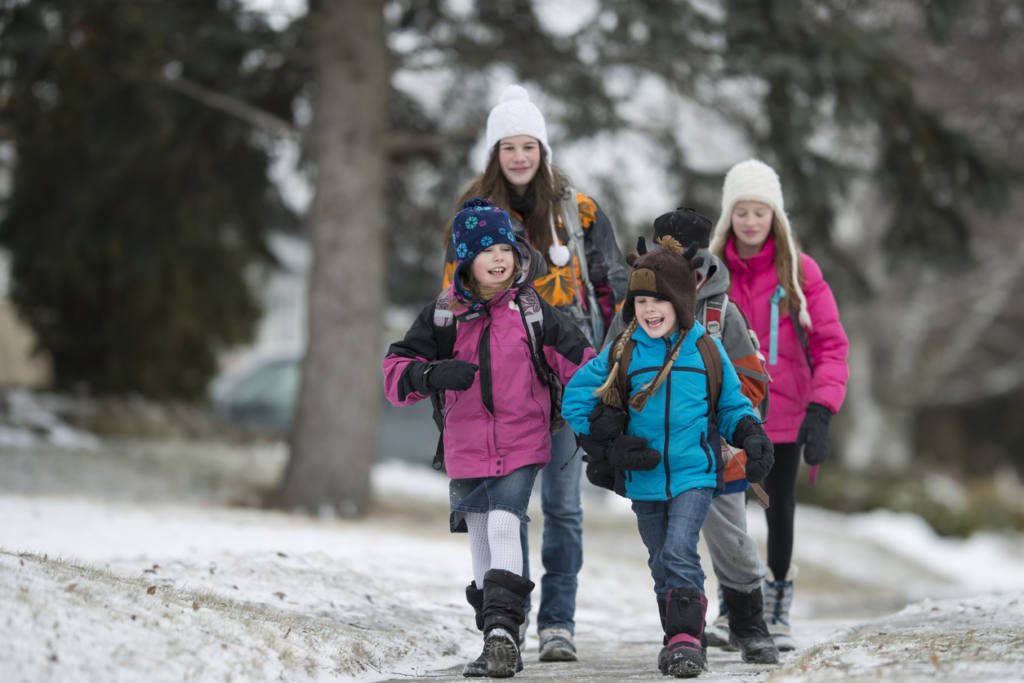

Protecting kids from winter illness becomes especially important during long school winter breaks in Uttar Pradesh, when children spend more time indoors, face cold exposure, and experience routine changes. Extended winter vacations increase the risk of infections if basic health precautions are ignored.
Cold weather weakens immunity, dry air affects the respiratory system, and close indoor contact allows viruses to spread faster. During winter breaks, children also tend to sleep irregularly, snack more, and reduce physical activity, which further impacts health.
This tutorial explains how parents can reduce winter illness risk through practical routines, nutrition, hygiene, and home care strategies suited for UP’s extended winter vacation period.
Common Winter Illnesses Children Face During School Breaks
Winter illnesses in children usually include common cold, flu, sore throat, bronchitis, viral fever, and stomach infections. In North India, pollution and fog can worsen respiratory symptoms, especially for children with asthma or allergies.
During school breaks, exposure increases because children attend family gatherings, play indoors with peers, and travel during peak cold hours. Sudden temperature changes from warm rooms to cold outdoor air can trigger infections.
Understanding these risks helps parents focus on prevention rather than treatment after symptoms appear.
Maintaining a Daily Routine During Winter Vacation
One major reason kids fall sick during winter breaks is the lack of routine. Irregular sleep cycles weaken immunity and reduce recovery time from minor infections.
Children should maintain fixed sleep and wake times close to school schedules. Adequate sleep supports immune response and keeps energy levels stable. Screen time should be limited, especially late at night, as it affects sleep quality.
Daily sunlight exposure during late morning hours helps with vitamin D synthesis and reduces lethargy. Simple indoor physical activities or stretching help maintain circulation during cold days.
Nutrition Tips to Boost Immunity in Winter
Diet plays a critical role in protecting kids from winter illness. Warm, freshly cooked meals help maintain body temperature and improve digestion.
Seasonal fruits such as oranges, guava, and amla provide vitamin C, which supports immune function. Vegetables like carrots, spinach, and beetroot add essential nutrients and antioxidants.
Warm fluids such as soups, milk, and herbal drinks help keep the throat moist and reduce irritation. Avoid excessive cold foods, packaged snacks, and sugary items that weaken immunity.
Parents should ensure children drink enough water even if thirst is reduced in cold weather, as dehydration can worsen infections.
Hygiene Habits That Reduce Infection Spread
Winter illnesses spread quickly through touch and shared surfaces. Teaching children proper hygiene during holidays is essential.
Regular handwashing with soap before meals and after outdoor play prevents virus transmission. Children should be taught to cover their mouth while coughing or sneezing and avoid touching their face frequently.
Personal items such as towels, utensils, and water bottles should not be shared. Frequently touched surfaces like door handles, mobile phones, and remote controls should be cleaned regularly.
These habits become especially important when relatives visit or children attend social events during the break.
Dressing Right for UP’s Winter Conditions
Improper clothing is a common cause of winter illness in children. Layered clothing is more effective than thick single layers, as it traps warm air and allows adjustment during temperature changes.
Children should wear caps, socks, and gloves during early morning or evening outings. Feet and head protection reduce heat loss significantly.
Avoid overheating indoors, as sweating followed by cold exposure increases infection risk. Clothes should be changed if damp to prevent chills.
Parents should also ensure children are not exposed to foggy air for long durations, particularly during early morning walks.
Managing Indoor Air Quality During Winter
Poor indoor air quality during winter contributes to respiratory illness. Closed rooms trap pollutants, smoke, and allergens.
Ventilate rooms during midday when outdoor air quality improves. Avoid burning coal, wood, or waste indoors for heating, as smoke increases respiratory irritation.
If heaters are used, ensure adequate airflow and safe placement to avoid dryness and breathing issues. Maintaining indoor humidity using simple water bowls helps reduce dry air discomfort.
When to Seek Medical Advice
Early identification of symptoms prevents complications. Persistent fever, breathing difficulty, chest congestion, severe cough, or dehydration require medical attention.
Avoid self medication, especially antibiotics, without professional advice. Viral infections usually resolve with rest and supportive care.
Parents should monitor children with asthma or chronic conditions closely during cold spells and follow preventive medication routines if prescribed.
Takeaways
- Winter breaks increase illness risk due to routine changes and cold exposure
- Regular sleep, balanced nutrition, and hygiene reduce infection chances
- Layered clothing and controlled indoor heating protect against chills
- Early symptom monitoring prevents complications
FAQs
Why do children fall sick more often during winter holidays?
Lack of routine, increased indoor contact, cold exposure, and weakened immunity contribute to higher illness risk.
Is it safe for children to play outdoors during winter?
Yes, during late morning or afternoon hours with proper clothing and limited exposure.
Do children need vitamin supplements during winter?
A balanced diet usually suffices. Supplements should only be given if advised by a doctor.
How long should a child rest if they develop a winter infection?
Rest until fever subsides and energy returns. Rushing recovery increases relapse risk.