
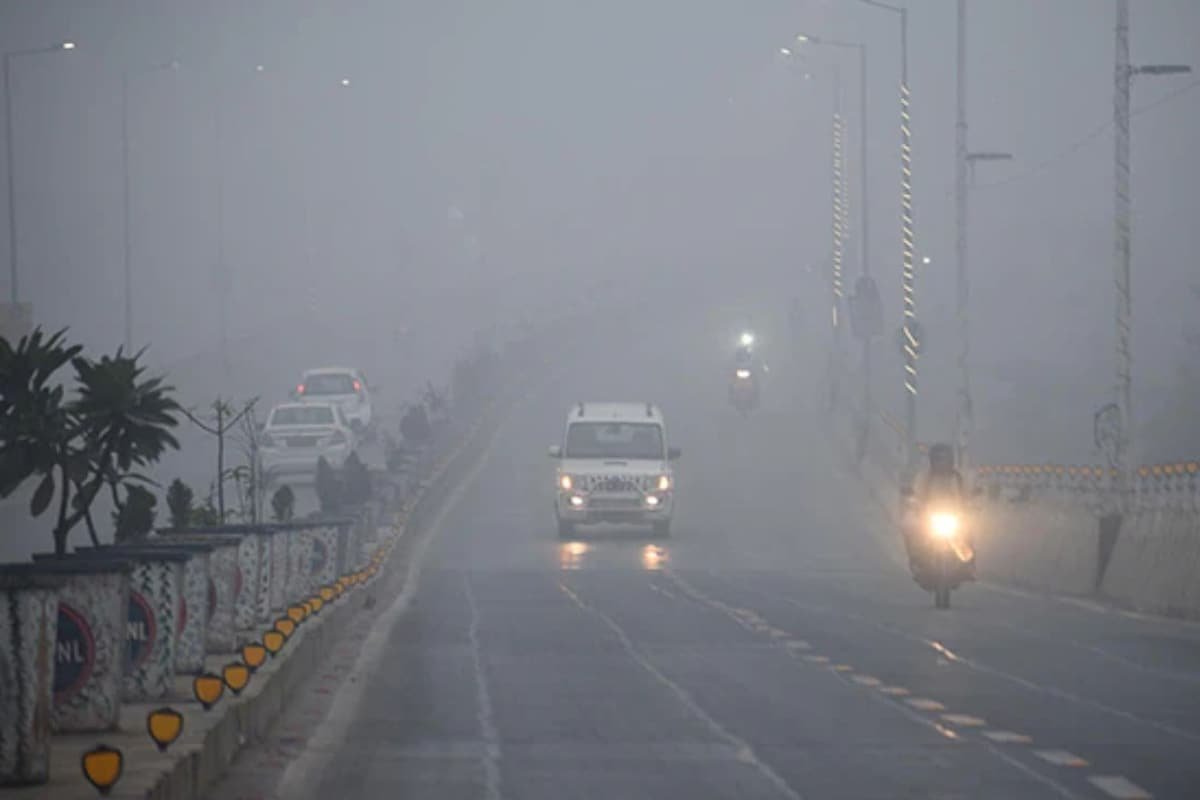

Dense fog driving conditions in Bihar, Odisha, and Bengal require advance preparation and disciplined road behavior. This guide explains how to prepare for dense fog driving using IMD advisories, region specific risks, and a clear safety checklist to reduce accidents during peak winter fog days.
Dense fog driving in Bihar, Odisha, and Bengal is a time sensitive public safety issue during winter months, especially from late December to January. The tone here follows a news driven advisory style, based on current weather patterns and road safety practices.
Understanding IMD Dense Fog Advisory for Eastern States
The India Meteorological Department issues dense fog advisories when visibility drops below critical thresholds. In Bihar and parts of West Bengal, dense to very dense fog is common during early morning hours due to cold nights, high moisture levels, and calm winds. Coastal Odisha also experiences reduced visibility, especially near highways connecting inland districts to ports and industrial zones.
Dense fog conditions often peak between midnight and 9 am. Visibility can fall below 50 meters in severe cases, making high speed driving extremely dangerous. IMD advisories usually highlight districts at risk and indicate whether fog conditions are likely to persist for multiple days.
Drivers should treat these advisories as operational warnings rather than general forecasts. If an advisory predicts dense fog for consecutive mornings, travel planning must be adjusted accordingly.
Pre Drive Preparation Before Entering Fog Prone Zones
Preparation begins before starting the vehicle. Drivers should ensure headlights, fog lamps, brake lights, and hazard lights are fully functional. In dense fog driving, low beam headlights are mandatory, while high beams should be avoided as they reflect off fog particles and reduce visibility further.
Windshield visibility is critical. Clean the windshield inside and out, check wiper blades, and top up windshield washer fluid. Defoggers must be tested before departure, especially for early morning drives.
Fuel levels should be adequate. Dense fog driving often causes delays due to traffic slowdowns, diversions, or temporary highway closures. Mobile phones should be fully charged, and navigation apps updated with live traffic alerts.
Safe Driving Techniques During Dense Fog Conditions
Once on the road, driving behavior must change immediately. Speed should be reduced well below normal highway limits. In dense fog, stopping distance increases because reaction time is compromised. Maintaining a safe following distance is essential.
Use lane markings and roadside reflectors as visual guides. In fog prone highways across Bihar and Bengal, reflective road studs are often more reliable than vehicle lights ahead. Avoid overtaking unless absolutely necessary, as side visibility is significantly reduced.
Hazard lights should be used only when the vehicle is stationary or moving very slowly due to obstruction. Continuous use while driving can confuse other motorists. Horn usage should be minimal and purposeful, particularly near intersections or sharp curves.
Highway and Rural Road Risks in Bihar Odisha and Bengal
Dense fog affects highways and rural roads differently. National highways may see multi vehicle pile ups due to higher speeds, while rural roads pose risks from pedestrians, cyclists, and animal movement that become visible only at close range.
In Bihar and parts of Bengal, tractors, two wheelers, and unlit vehicles are common during early morning hours. Drivers should anticipate sudden obstacles even on familiar routes. In Odisha, fog near river belts and coastal stretches can intensify unexpectedly, especially near bridges.
Toll plazas and intersections are high risk zones. Drivers should slow down well before reaching toll booths and avoid sudden braking that could trigger rear end collisions.
When to Avoid Driving During Dense Fog Alerts
Avoiding travel is often the safest decision. If visibility drops below safe limits or if IMD warnings indicate very dense fog, delaying travel until visibility improves is advisable. This is especially important for commercial drivers, school transport vehicles, and long distance inter state travel.
If driving is unavoidable, plan departure after sunrise when fog begins to lift. Emergency stops should be made only at safe pull out points, never in the middle of the road or on blind curves.
Passengers should remain alert and assist drivers by watching for signs, vehicles, or pedestrians during poor visibility.
Emergency Response and What to Do if Visibility Drops Suddenly
If dense fog appears suddenly, reduce speed gradually and switch on low beam headlights and fog lamps. Avoid abrupt braking. If visibility becomes near zero, pull over safely, turn on hazard lights, and wait for conditions to improve.
Do not follow tail lights blindly, as the vehicle ahead may stop suddenly. Use reflectors and road edges as reference points. In case of breakdown, place warning triangles at a safe distance behind the vehicle to alert approaching traffic.
Takeaways
Dense fog driving requires reduced speed, increased following distance, and constant alertness
IMD advisories should be treated as actionable warnings, not general forecasts
Avoid early morning travel during very dense fog whenever possible
Vehicle readiness and disciplined driving behavior save lives in low visibility
FAQs
What is considered dense fog for driving safety
Dense fog typically refers to visibility below 200 meters, while very dense fog can reduce visibility below 50 meters, making driving highly unsafe.
Should high beam headlights be used in fog
No, high beams reduce visibility in fog. Low beam headlights and fog lamps provide better illumination.
Is it safe to use hazard lights while driving in fog
Hazard lights should be used only when stationary or moving very slowly due to obstruction, not during normal movement.
Which time of day is fog most dangerous in eastern India
Fog is most dangerous between midnight and early morning, especially before sunrise.