
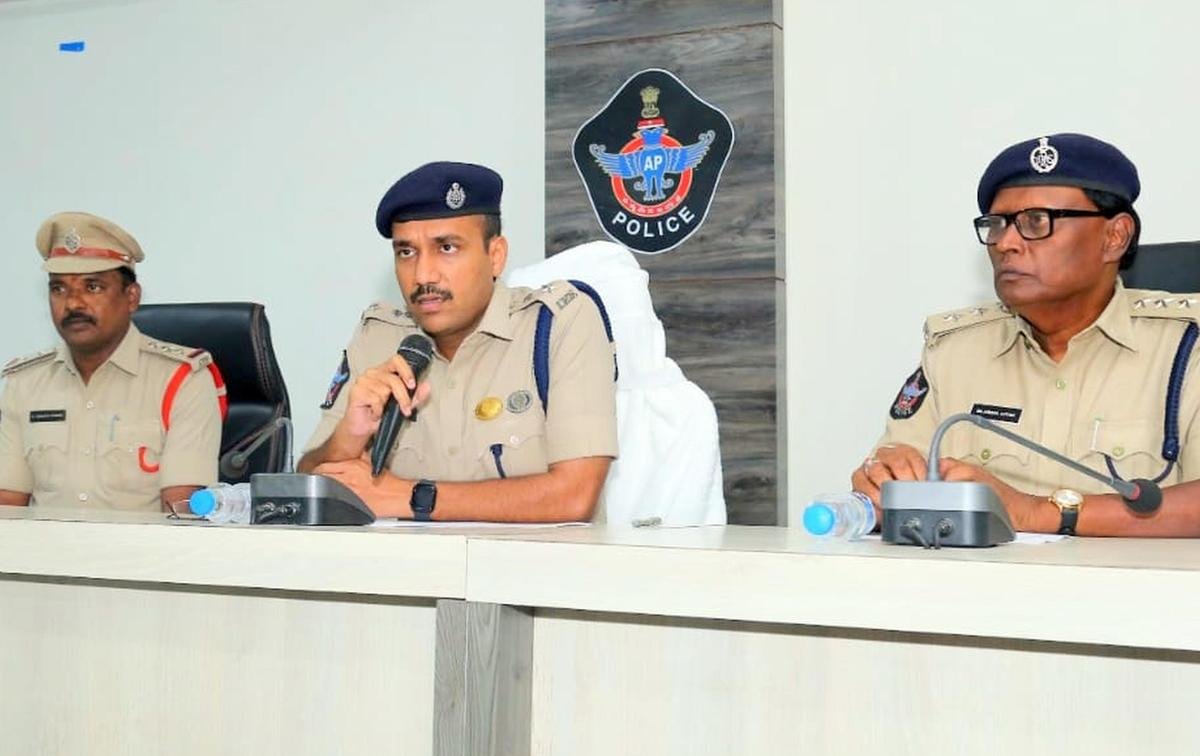

Guntur Police seek public support for a drug free society as part of a renewed local law enforcement push to curb substance abuse through community action plans. The initiative focuses on prevention, reporting, rehabilitation linkage, and sustained public participation across urban and rural pockets.
This is a time sensitive public order and health initiative driven by current enforcement priorities. The tone follows a news reporting style with practical civic guidance.
Why Guntur Police Are Calling for Community Support Now
Guntur Police seek public support for a drug free society in response to rising concerns around substance availability, youth vulnerability, and repeat offenses linked to narcotics consumption. Law enforcement assessments indicate that supply side action alone is insufficient without active community cooperation.
Drug networks often exploit local anonymity, informal transport routes, and digital communication. This makes early detection dependent on neighborhood awareness and timely reporting. Police officials have emphasized that families, schools, shopkeepers, transport workers, and resident associations are critical stakeholders.
The current push also aligns with a preventive policing approach. Instead of focusing only on arrests, the strategy aims to reduce demand through awareness, counseling referrals, and disruption of local distribution points.
What Community Action Plans Mean in Practical Terms
Community action plans translate policing goals into neighborhood level actions. These plans encourage formation of local vigilance groups, coordination with ward volunteers, and regular interaction between beat officers and residents.
In practice, this includes identifying high risk zones such as isolated streets, abandoned buildings, and areas near educational institutions. Community members are encouraged to share inputs discreetly without fear of retaliation.
Police have clarified that public support does not mean vigilantism. The emphasis is on information sharing, prevention, and support for individuals seeking help. Action plans also include community meetings where concerns can be raised openly and addressed systematically.
Role of Families Schools and Local Institutions
Families are often the first to notice behavioral changes linked to substance abuse. Guntur Police have urged parents and guardians to seek early intervention rather than waiting for legal trouble to arise. Counseling support and de addiction pathways are more effective when accessed early.
Schools and colleges play a preventive role by identifying at risk students and promoting awareness programs. Educational institutions are encouraged to collaborate with local police units for sessions on the legal and health consequences of drug use.
Religious institutions, youth clubs, and non profits also form part of the action plan. Their involvement helps spread consistent messaging and provides safe spaces for dialogue and recovery support.
Law Enforcement Measures Supporting the Initiative
Alongside community engagement, police continue targeted enforcement against suppliers and repeat offenders. Surveillance has been strengthened in known transit corridors and near vulnerable zones.
Police units are also focusing on intelligence based operations rather than random checks. This reduces harassment while improving effectiveness. Anonymous tip lines and confidential reporting mechanisms are being promoted to protect informants.
Importantly, police have indicated that users seeking help will be treated differently from traffickers. The goal is to break the cycle of addiction while dismantling supply networks.
Youth Focus and Prevention Strategy
Youth are a central focus of the drug free society initiative. Peer pressure, unemployment stress, and misinformation often make young people vulnerable to experimentation and addiction.
Community action plans include youth engagement through sports, skill programs, and mentorship. These initiatives aim to offer constructive alternatives and rebuild social connection.
Police outreach teams are working with colleges and training centers to address myths around substance use and to highlight long term consequences on health, employment, and family life.
How Residents Can Safely Participate
Residents can participate by staying alert to suspicious activities without confronting individuals directly. Reporting can be done through designated helplines, local police stations, or community officers.
Confidentiality is a priority. Police have assured that identities of informants will be protected. Residents are advised to avoid spreading rumors and to rely on verified communication channels.
Participating in local meetings, awareness drives, and volunteer initiatives strengthens trust and improves coordination between police and the public.
Rehabilitation and Support for Affected Individuals
A drug free society requires support systems for recovery. Guntur Police have highlighted the importance of connecting affected individuals with counseling and rehabilitation services.
Community members can assist by reducing stigma and encouraging treatment rather than isolation. Rehabilitation reduces repeat offenses and improves reintegration into society.
The police role here is facilitative, helping families navigate available support options while maintaining legal oversight where required.
Expected Outcomes and Long Term Impact
If sustained, community action plans can reduce local drug availability, lower crime linked to addiction, and improve public safety. Long term success depends on consistent engagement rather than short term campaigns.
Police officials have stressed that progress will be monitored through feedback, reporting trends, and community satisfaction rather than only arrest numbers.
The initiative signals a shift toward shared responsibility where safety and well being are collective outcomes.
Takeaways
Guntur Police are prioritizing community participation to address drug abuse effectively
Action plans focus on prevention, reporting, and rehabilitation rather than only arrests
Families schools and local institutions play a central role in early intervention
Confidential reporting and trust are key to sustaining a drug free society
FAQs
What kind of information should residents report
Suspicious activities related to drug sale, transport, or repeated substance use in vulnerable areas.
Will informants be protected
Yes, police have emphasized confidentiality and safety of those sharing information.
Are drug users treated the same as traffickers
No, enforcement focuses on traffickers while encouraging users to seek rehabilitation.
How can youth get involved positively
By participating in sports, skill programs, and awareness initiatives that promote healthy alternatives.