
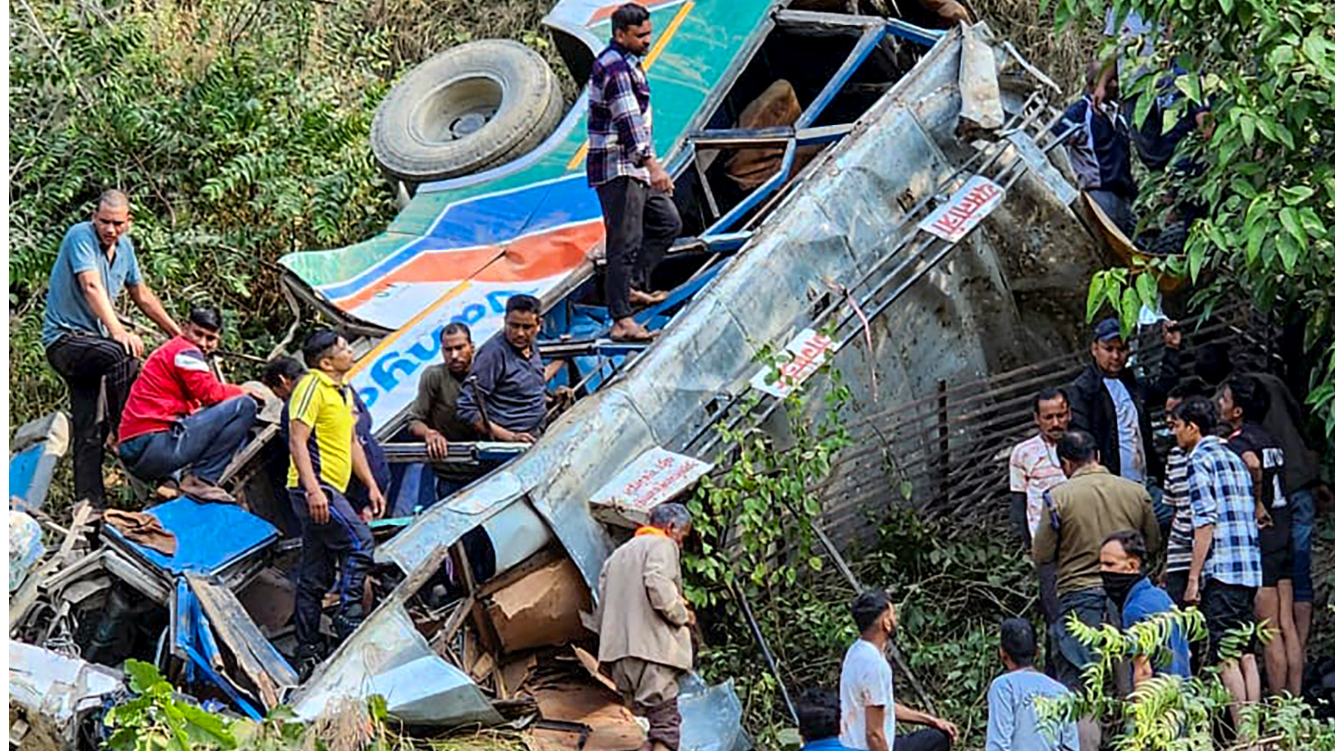

Uttarakhand bus accident updates are being closely monitored as authorities respond to a serious road incident involving a passenger bus in the hilly region of the state. Emergency services, district administration, and medical teams are actively engaged in rescue and relief operations while investigations into the cause are underway.
This article provides the latest verified situation overview, safety advice for travelers in Uttarakhand, and guidance on accessing local hospital support. The information is presented in a live coverage style based on confirmed administrative responses and standard emergency protocols.
Situation Overview and Current Status
According to initial administrative assessments, the Uttarakhand bus accident occurred on a mountainous route where road conditions are challenging due to terrain, weather, and sharp curves. Rescue teams reached the spot promptly after alerts were raised by local authorities and passersby.
Passengers were evacuated with the help of police, disaster response teams, and local volunteers. Injured individuals were shifted to nearby hospitals for treatment. The exact number of passengers onboard and the severity of injuries are being verified as authorities complete headcounts and medical assessments.
Traffic movement on the affected route has been restricted to allow rescue vehicles and cranes to operate safely. Alternate routes have been advised for commuters until clearance operations are completed.
Rescue Operations and Administrative Response
District officials activated emergency response protocols immediately after receiving accident reports. Ambulances, fire services, and disaster response units were deployed from nearby towns. In hill districts, response time often depends on terrain access, and teams used manual evacuation methods where vehicles could not reach.
Local administration has coordinated with hospitals to ensure availability of trauma care, emergency beds, and blood supplies. Senior officials are monitoring the situation on ground and through control rooms to ensure coordination between departments.
Authorities have also initiated preliminary inquiries to determine whether factors such as mechanical failure, driver fatigue, road condition, or weather contributed to the accident. A detailed investigation report is expected after site inspection and vehicle examination.
Medical Assistance and Hospital Support
Injured passengers have been taken to the nearest government and private hospitals depending on injury severity. Primary health centres typically handle minor injuries, while district hospitals and medical colleges manage serious trauma cases.
Family members of passengers are being guided through district helplines for information. Hospitals have been instructed to prioritise treatment and maintain clear communication with district authorities regarding patient status.
Travelers are advised not to rush to accident sites or hospitals unless instructed, as overcrowding can slow emergency care. Local police are assisting families with identification and information sharing where required.
Safety Advisory for Travelers in Uttarakhand
Road travel in Uttarakhand requires heightened caution, especially on hilly routes. Buses and taxis often navigate narrow roads with limited visibility. Passengers should avoid standing or moving inside buses on mountain roads and must remain seated at all times.
Travel during early morning or late night hours should be avoided where possible, particularly in foggy or rainy conditions. Weather changes quickly in hill regions, increasing accident risks.
Tourists and locals are advised to check local advisories before travel and avoid routes flagged for landslide risk or road damage. Wearing seat belts where available and avoiding overloaded vehicles can significantly reduce injury risk.
What To Do If You Are Near an Accident Site
If you encounter a road accident in Uttarakhand, inform local police or emergency services immediately. Avoid attempting rescues unless trained, as improper handling can worsen injuries. Provide accurate location details including nearby landmarks or kilometre markers.
Do not crowd the site or record videos, as this obstructs rescue efforts. Assist authorities by clearing access routes and following instructions from police or disaster teams.
Passengers traveling in buses should familiarise themselves with emergency exits and remain calm in case of sudden stops or skidding incidents.
Impact on Public Transport and Routes
Following major accidents, transport authorities often conduct temporary inspections of buses operating on similar routes. Some services may be suspended or delayed for safety checks. Passengers should confirm bus schedules before travel and consider postponing non essential journeys.
Transport departments may issue revised safety instructions to drivers, including speed limits and mandatory rest periods. Such measures aim to prevent repeat incidents during peak travel periods.
Ongoing Monitoring and Public Information
District control rooms remain active to handle queries and coordination. Authorities are expected to issue official statements once passenger details and investigation findings are confirmed. Until then, unverified claims and social media speculation should be avoided.
Residents and travelers are encouraged to rely on official district updates and helpline numbers shared by administration. Accurate information flow helps families and reduces panic.
Takeaways
- Rescue and medical operations are ongoing under district supervision
- Injured passengers are receiving treatment at nearby hospitals
- Travelers should follow hill road safety practices strictly
- Avoid sharing or acting on unverified accident information
FAQs
Is the Uttarakhand bus accident route currently open?
Traffic restrictions are usually imposed temporarily. Travelers should check local advisories before using the route.
How can families get information about passengers?
District helplines and local police stations are the primary contact points for verified updates.
Are hospitals equipped to handle emergency cases?
District hospitals and medical colleges are typically activated for trauma care during such incidents.
What precautions should bus passengers take in hill regions?
Remain seated, avoid overcrowded buses, travel during daylight hours, and follow safety instructions from drivers.