
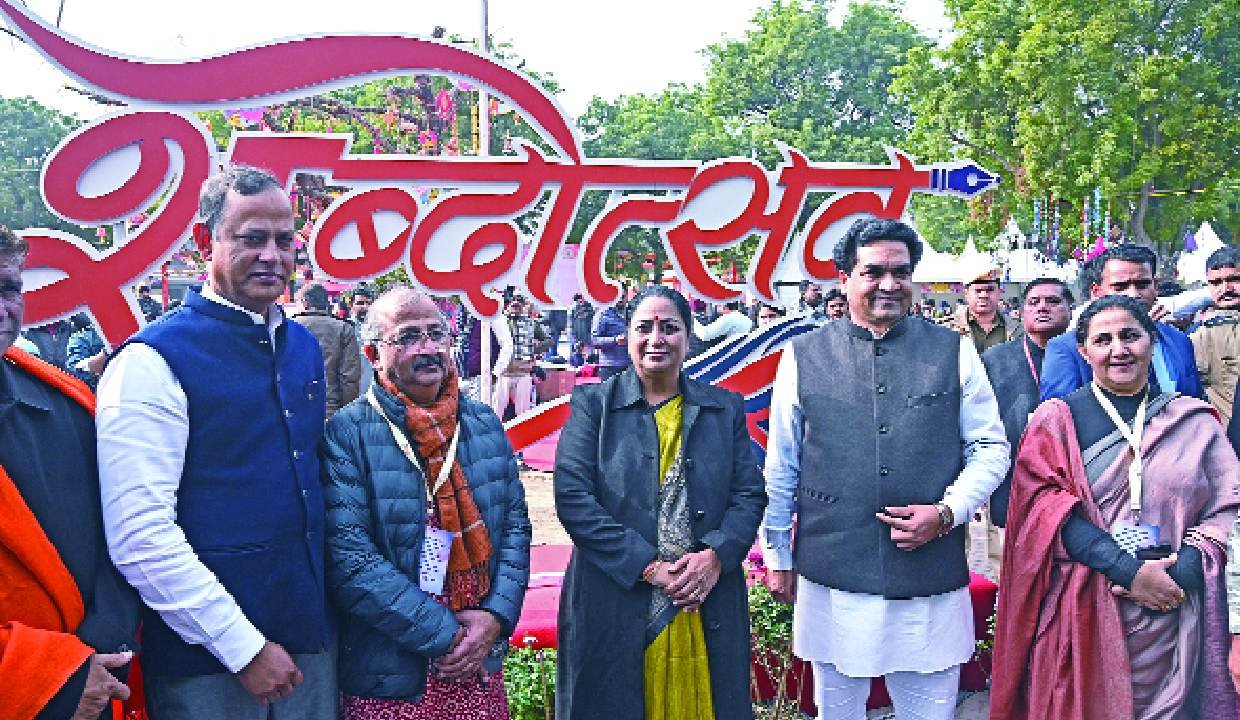

Delhi Shabdotsav 2026 is emerging as a defining moment for how literary engagement is evolving in the capital. The festival reflects a broader civic shift where literature is moving beyond elite halls into public spaces, multilingual forums, and youth driven conversations across Delhi.
Delhi Shabdotsav 2026 is a time sensitive cultural event. The tone of this article follows a news reporting style while examining its wider impact on the city’s literary ecosystem.
What Delhi Shabdotsav Represents in Today’s Cultural Context
Delhi Shabdotsav is not positioned as a conventional literary festival. Its core idea revolves around celebrating words, languages, and storytelling traditions that exist outside mainstream publishing circuits. By focusing on spoken word, regional literature, poetry, translation, and oral narratives, the festival reflects the linguistic diversity of the capital.
For a city shaped by migration, education, and political discourse, this format resonates strongly. Literature here is not limited to bookshelves. It exists in classrooms, protests, street performances, and community gatherings. Shabdotsav taps into this reality by making literary engagement more accessible and less intimidating.
The event also aligns with the civic push to use culture as a tool for public participation rather than passive consumption.
How Literary Engagement in Delhi Is Changing
Delhi’s literary culture has traditionally been dominated by academic institutions, publishing houses, and ticketed festivals. Over the last few years, this structure has started to change. Readers now want interaction, dialogue, and relevance.
Delhi Shabdotsav reflects this shift by creating spaces where audiences are participants rather than spectators. Panel discussions are designed to encourage questions. Poetry sessions invite live responses. Language is treated as a living experience rather than a static text.
This approach is especially effective for younger audiences who engage with literature through social media, performance, and hybrid formats. The festival meets them where they are rather than expecting them to adapt to old models.
Civic and State Level Support for Cultural Platforms
The role of civic institutions in shaping Delhi Shabdotsav is significant. Cultural programming is increasingly being viewed as part of urban development rather than a niche activity. Public festivals help reclaim shared spaces and strengthen civic identity.
State supported cultural initiatives signal that literature and language are public goods. When festivals are accessible and inclusive, they encourage participation from students, educators, writers, and first time attendees.
This support also legitimises regional languages and lesser known literary traditions, which often struggle for visibility in commercial publishing environments.
Multilingualism as the Festival’s Core Strength
One of the defining features of Delhi Shabdotsav 2026 is its multilingual focus. Delhi is home to speakers of Hindi, Urdu, Punjabi, Bengali, Tamil, Malayalam, Marathi, and several other languages. Traditional literary platforms often privilege one or two languages, limiting participation.
By giving equal space to multiple languages, the festival mirrors the city’s linguistic reality. Translation sessions and bilingual readings help bridge gaps between communities. This encourages cross cultural understanding and expands readership beyond language boundaries.
Multilingual engagement also reflects national conversations around linguistic inclusion and cultural representation.
Youth Participation and New Literary Formats
Youth participation is central to the festival’s relevance. Students and young professionals increasingly consume literature through podcasts, short videos, spoken word performances, and digital essays. Delhi Shabdotsav incorporates these formats without diluting literary quality.
Open mic sessions, slam poetry, and interactive workshops attract audiences who may not attend traditional book readings. This does not replace classical literature but complements it.
By validating new forms of expression, the festival ensures that literature remains connected to contemporary life rather than confined to academic spaces.
Impact on Writers and Independent Creators
For writers and independent creators, Delhi Shabdotsav provides visibility without commercial pressure. Emerging voices often struggle to find platforms that value experimentation and regional narratives. Festivals like this offer exposure, networking, and audience feedback.
The absence of heavy commercial branding allows conversations to remain content driven. Writers can engage directly with readers, understand audience response, and build communities beyond social media metrics.
This strengthens the grassroots literary ecosystem and encourages sustained creative work.
Broader Implications for Delhi’s Cultural Identity
Delhi Shabdotsav 2026 contributes to redefining how the capital presents itself culturally. Instead of positioning culture as elite entertainment, it frames it as a shared civic experience.
Such festivals influence how residents relate to their city. Literature becomes a tool for dialogue, memory, and social reflection. Over time, this shapes a more inclusive and participatory cultural identity.
The success of this model could influence similar initiatives in other states and cities.
What Lies Ahead for Literary Festivals in India
Delhi Shabdotsav points to a future where literary festivals are decentralised, multilingual, and community focused. As audiences demand relevance and accessibility, formats will continue to evolve.
The challenge will be maintaining quality while expanding reach. Sustained institutional support, transparent curation, and audience trust will determine long term impact.
Takeaways
- Delhi Shabdotsav reflects a shift toward inclusive and participatory literary culture
- Multilingual formats mirror the capital’s social and linguistic diversity
- Youth driven literary expressions are reshaping engagement models
- Civic support strengthens literature as a public cultural resource
FAQs
What makes Delhi Shabdotsav different from traditional literary festivals
It focuses on accessibility, multilingual engagement, and interactive formats rather than elite programming.
Who can attend Delhi Shabdotsav 2026
The festival is designed for students, writers, educators, and the general public.
Does the festival promote regional languages
Yes, regional and lesser represented languages are a central part of the event.
Why are cultural festivals important for cities like Delhi
They strengthen civic identity, encourage dialogue, and make culture accessible to wider audiences.