
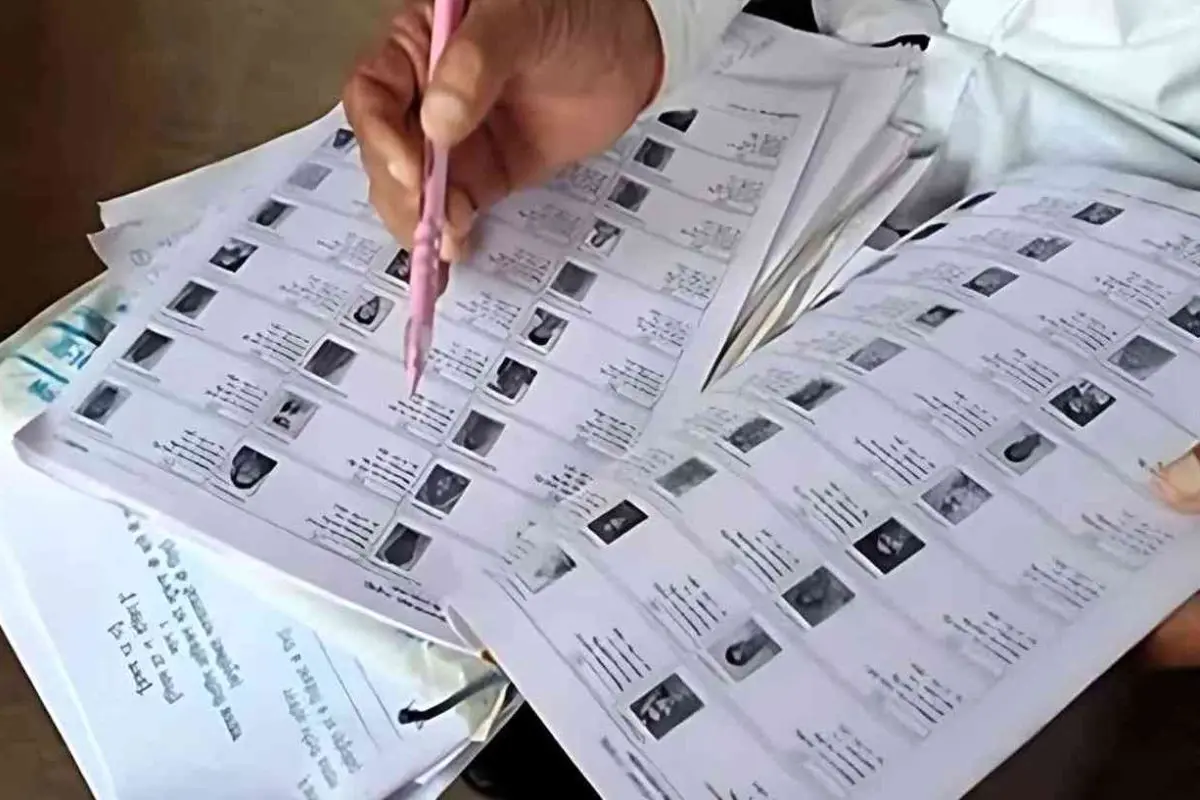

UP’s controversial draft voter list rollout has triggered intense scrutiny after nearly 2.89 crore voter names were flagged for verification, correction, or possible exclusion. This is a time sensitive news development with direct implications for upcoming elections and the voting rights of local electorates across Uttar Pradesh.
The intent of this topic is news reporting with strong civic relevance. Since the draft list is currently open for public inspection and objections, the tone remains factual, balanced, and focused on impact rather than opinion.
What the UP Draft Voter List Rollout Involves
UP’s draft voter list rollout is part of the routine electoral roll revision process conducted ahead of elections. During this exercise, electoral rolls are updated to include new voters, remove deceased or shifted voters, and correct existing records.
This year’s rollout has drawn attention because approximately 2.89 crore entries have been marked for verification. These include names with incomplete documentation, address mismatches, duplication, or long-term inactivity. While the Election Commission has described this as a data-cleaning exercise, the scale has raised concerns among political parties and civil society groups.
The draft list is not final. It is a provisional document meant to invite public participation before the final voter list is published.
Why Nearly 2.89 Crore Names Are Under Scrutiny
The large number of flagged names stems from multiple factors accumulated over years. High internal migration, especially from rural to urban areas and across districts, has led to outdated addresses. Death registrations often lag behind electoral deletions, leading to duplication.
In Tier-2 and Tier-3 towns, record digitisation has improved but historical inconsistencies remain. Names entered with spelling variations, age discrepancies, or incomplete house numbers are more likely to be flagged during database audits.
Additionally, voters who have not participated in multiple election cycles are often marked for field verification. This does not mean automatic deletion, but it requires confirmation to retain voting rights.
Impact on Local Electorates in Tier-2 and Tier-3 Areas
The impact of UP’s draft voter list rollout is most pronounced at the local level. In smaller towns and semi-rural blocks, voters are less likely to regularly check online records or receive timely updates.
Families that have lived in the same locality for decades may assume their voter status is secure, only to discover errors or missing entries during the draft stage. Daily wage workers, migrant labourers, and elderly voters are particularly vulnerable to exclusion if they fail to file objections in time.
At the constituency level, even minor changes in voter rolls can influence electoral outcomes, especially in closely contested seats where margins are narrow.
Political Reactions and Administrative Position
Political parties across the spectrum have raised questions about the timing and scale of the exercise. Opposition leaders have alleged that large-scale verification close to election cycles can confuse voters and suppress turnout if not handled transparently.
Election officials maintain that the process follows established rules and is essential to ensure clean and accurate voter rolls. They have emphasised that no name is removed without due process and that ample time is provided for objections and corrections.
Booth Level Officers play a key role in ground verification, especially in rural and semi-urban areas. Their effectiveness directly affects how inclusive the final voter list becomes.
What Voters Need to Do During the Draft Phase
For individual voters, the draft phase is the most critical window to protect voting rights. Every voter is expected to check their name, personal details, and polling station information.
If a name is missing, incorrectly spelled, or marked for deletion, the voter must submit a claim or objection within the notified period. This can usually be done online or through designated local offices.
Waiting for the final list is risky. Once the final roll is published, corrections become procedurally harder and may not be resolved before elections.
Risks of Inaction and Misinformation
One of the biggest risks during such large-scale revisions is misinformation. Rumours about mass deletions can discourage voters from engaging with the process. Conversely, some voters assume media reports do not apply to them and skip verification.
Inaction can lead to unintended disenfranchisement. A voter whose name is removed due to non-response may lose the ability to vote unless corrective steps are taken promptly.
Local awareness campaigns and accurate information dissemination are crucial to ensure that eligible voters are not excluded due to lack of knowledge.
Broader Electoral Implications for Uttar Pradesh
Uttar Pradesh has one of the largest electorates in the world. Any disruption or confusion in voter rolls has national political implications.
A cleaner voter list improves electoral integrity, but only if the process remains inclusive and transparent. The current rollout tests the administrative capacity to balance accuracy with accessibility, especially for voters outside major urban centres.
The way objections are handled and corrections incorporated will shape public trust in the electoral system ahead of future polls.
Takeaways
The UP draft voter list is a provisional document open for public verification
Nearly 2.89 crore names flagged does not mean automatic deletion
Tier-2 and Tier-3 voters face higher risk if they do not check records
Timely objections are essential to secure voting rights
FAQs
Does the draft voter list mean names are already deleted?
No. The draft list only flags entries for verification. Final decisions are taken after objections are reviewed.
Who is most affected by the current rollout?
Voters with address changes, documentation issues, or long-term inactivity are more likely to be impacted.
How can voters correct errors in the draft list?
Voters must file claims or objections within the notified period using online or local verification channels.
What happens if a voter takes no action?
Failure to respond during the draft phase may result in deletion from the final voter list.