
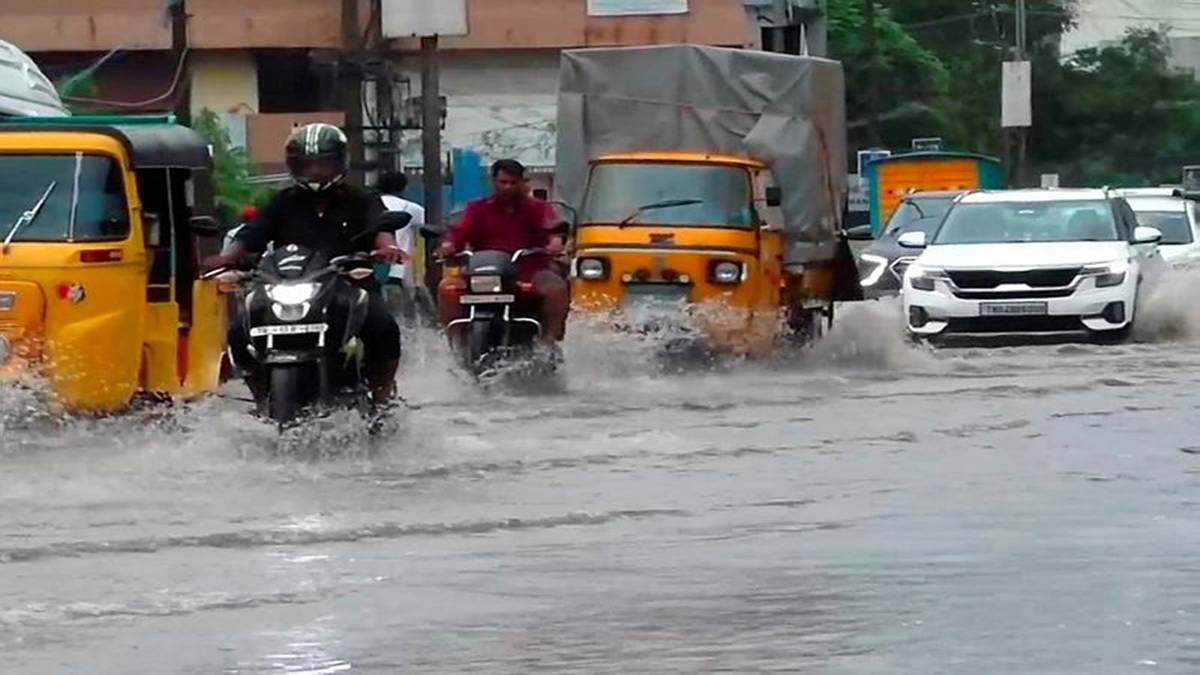

Heavy rain alerts in Tamil Nadu demand immediate and practical action, not panic. Preparing your home and family in advance reduces risk, prevents damage, and ensures safety during prolonged rainfall, flooding, or power disruptions, especially in coastal and low-lying districts.
Tamil Nadu frequently experiences intense rainfall due to northeast monsoon systems and cyclonic activity. When a heavy rain alert is issued, it usually signals the possibility of waterlogging, flash floods, strong winds, and disruptions to transport and electricity. This checklist focuses on household readiness, family safety, evacuation planning, and locally relevant precautions.
Understand What a Heavy Rain Alert Means
A heavy rain alert indicates rainfall levels that can overwhelm drainage systems and trigger flooding within hours. In Tamil Nadu, urban areas face waterlogging due to dense construction, while rural and semi-urban regions are vulnerable to overflowing tanks, canals, and rivers. Families should treat alerts as an early warning window to act, not as routine weather news.
Pay attention to district-specific warnings rather than state-wide headlines. Rain intensity, wind speed, and flood risk vary widely between Chennai, delta districts, western Tamil Nadu, and southern coastal belts. Knowing your local risk profile helps prioritize actions.
Secure Your Home Before Rain Intensifies
Home preparation should start as soon as rainfall forecasts show escalation. Begin by clearing terrace drains, balcony outlets, and ground-level drainage points. Blocked outlets are one of the main causes of indoor flooding during heavy rain.
Move electrical appliances, documents, and valuables to higher shelves. If your house is in a flood-prone area, shift important items to an upper floor or raised platform. Check for loose roof sheets, tiles, or window fittings that strong winds can dislodge.
Ensure sump motors, borewell pumps, and drainage motors are functional. Power backups for motors are useful in low-lying streets where water stagnation depends on pumping. Seal ground-level doors with temporary barriers or sandbags if flooding is common in your locality.
Build an Emergency Supplies Kit for At Least 72 Hours
A basic emergency kit should support your family for three days without external help. This is critical during Tamil Nadu heavy rain events where roads may be cut off and shops closed.
Include drinking water, dry food that does not require cooking, basic medicines, a first-aid kit, ORS packets, torches with spare batteries, candles, matchsticks, and a power bank for mobile phones. Store copies of identity documents, insurance papers, and medical prescriptions in waterproof covers.
Families with elderly members, children, or people with chronic illnesses should stock extra medication and special dietary items. Keep pet food and supplies if applicable. The goal is self-sufficiency until conditions stabilize.
Plan Evacuation Routes and Family Communication
Evacuation planning is often ignored until it is too late. Identify the safest route from your home to higher ground or designated relief shelters in advance. Avoid routes near canals, riverbanks, or underpasses that flood quickly.
Discuss evacuation roles within the family. Decide who assists children, elderly members, or persons with disabilities. Keep a small go-bag ready with essentials in case evacuation is required at short notice.
Set a simple communication plan. Choose one out-of-area contact whom all family members can update if local networks are congested. Teach children how to call emergency numbers and share address details if separated.
Use Local Resources and Official Alerts Effectively
Local resources play a major role during heavy rain events in Tamil Nadu. Corporation offices, panchayats, and district administrations often announce relief centres, water pumping schedules, and helpline numbers through local channels.
Monitor official weather updates and district advisories rather than forwarded messages. False flood warnings and exaggerated claims circulate widely during monsoons. Relying on verified alerts helps avoid unnecessary movement and panic.
If your area has experienced past flooding, note which streets flood first and which remain accessible. Neighbourhood associations and local volunteers can coordinate assistance, especially for vulnerable households.
Stay Safe During Heavy Rainfall
During intense rainfall, avoid unnecessary travel, especially at night. Never attempt to cross flowing water on foot or by vehicle, as depth and current strength are often deceptive. Keep children indoors and away from balconies, terraces, and open drains.
Switch off main electricity supply if water enters your home. Use battery-powered lighting instead of candles where possible to reduce fire risk. Boil drinking water if supply contamination is suspected.
After rainfall subsides, inspect your home carefully before restoring normal use. Check for structural cracks, loose wiring, gas leaks, and contaminated water sources. Cleaning should be done with protective gloves and footwear.
Takeaways
Early preparation reduces flood damage and safety risks during Tamil Nadu heavy rain alerts
A 72-hour emergency kit is essential for households in flood-prone areas
Clear evacuation planning prevents last-minute confusion and panic
Local alerts and verified updates are more reliable than social media forwards
FAQs
How early should I start preparing after a heavy rain alert is issued?
Preparation should begin immediately after the alert, ideally within the first few hours, before rainfall intensifies and movement becomes difficult.
Should families evacuate as soon as heavy rain starts?
Evacuation is only necessary if advised by local authorities or if flooding poses immediate danger. Premature evacuation without guidance can increase risk.
What is the biggest mistake households make during heavy rain in Tamil Nadu?
Ignoring drainage maintenance and underestimating water flow in streets are common mistakes that lead to avoidable damage and accidents.
How can apartment residents prepare differently from independent houses?
Apartment residents should coordinate with association management, check basement drainage systems, ensure generator readiness, and avoid parking vehicles in flood-prone basements.