
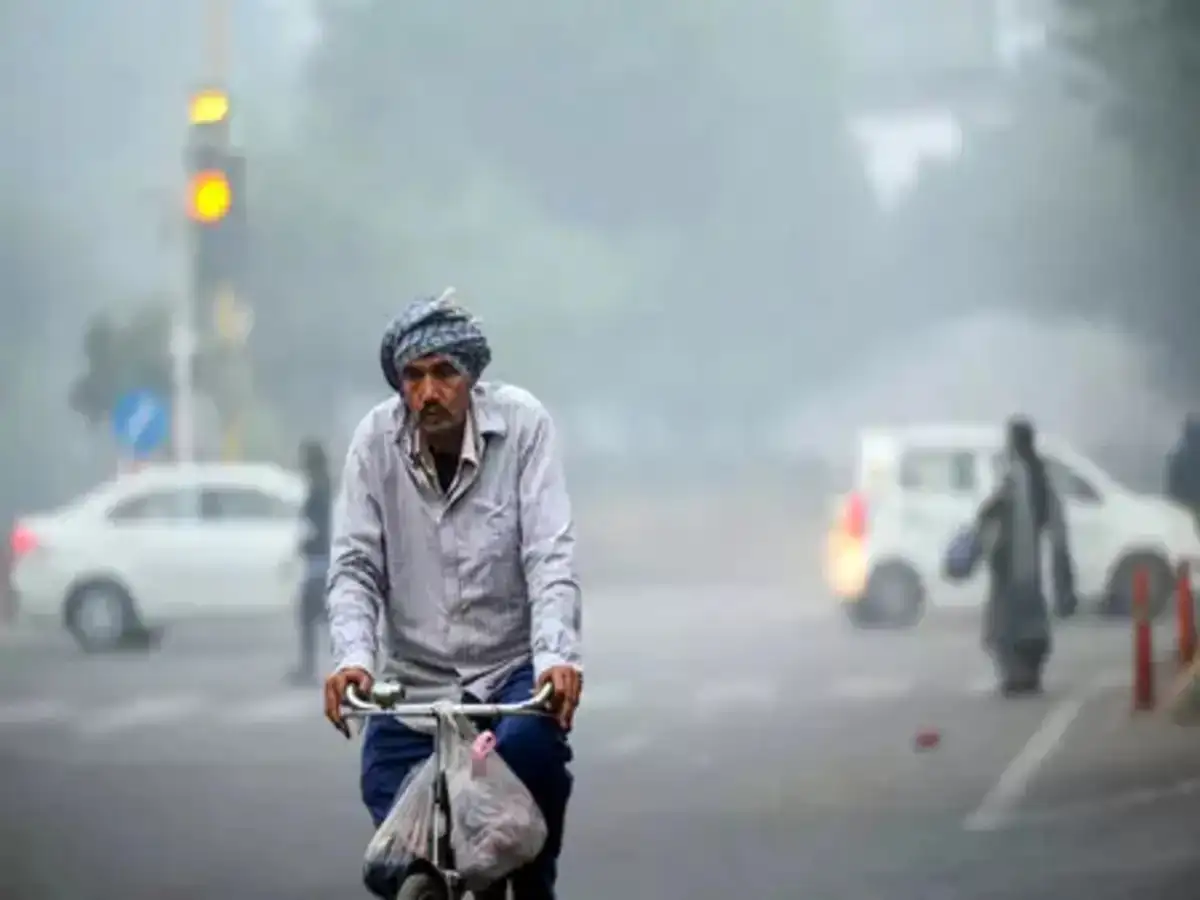

Cold wave conditions in North India demand early and coordinated preparation, especially in cities like Gurugram where sharp temperature drops strain households, infrastructure, and small businesses. This step-by-step guide focuses on practical, city-level actions to reduce health risks, service disruptions, and economic losses during prolonged cold spells.
Understanding Cold Wave Risk in Gurugram and North India
Cold waves in North India typically occur between late December and January, driven by western disturbances and clear night skies that cause rapid heat loss. Gurugram and nearby NCR cities are particularly vulnerable due to high population density, open construction zones, and limited cold-adapted infrastructure.
Night temperatures can fall close to freezing even when daytime conditions appear manageable. This gap often catches households and small businesses unprepared. Cold stress affects not only vulnerable populations such as children, elderly people, and daily wage workers, but also water supply systems, electrical loads, and transport schedules. Preparing at the city and neighborhood level reduces emergency responses later and ensures continuity of essential services.
Household Preparation Checklist for Extreme Cold Conditions
Households form the first line of defense during a cold wave. Insulation should be addressed early, especially in apartments and builder floors common in Gurugram. Sealing window gaps, using heavy curtains, and placing draft blockers under doors can significantly retain indoor heat.
Electrical safety is critical as heater usage spikes. Homes should avoid overloading sockets and ensure extension cords are rated for heating appliances. For families relying on gas heaters or blowers, proper ventilation must be maintained to prevent carbon monoxide buildup.
Water pipes exposed on terraces or balconies should be wrapped with insulating material to prevent freezing or cracking. Stocking essentials such as medicines, dry food, and warm clothing avoids unnecessary travel during peak cold hours. Families with infants or elderly members should plan warm sleeping arrangements using layered blankets rather than high-temperature heaters.
City Infrastructure and Housing Society-Level Actions
Housing societies and local administrations play a key role during cold waves. In Gurugram, many residential complexes depend on shared water tanks and pumps that are vulnerable to freezing temperatures. Societies should inspect pipelines, motors, and overhead tanks before cold peaks begin.
Backup power systems should be tested as electricity demand rises sharply during cold spells. Lift maintenance teams must be on standby since low temperatures can affect mechanical systems. Security staff and maintenance workers operating overnight should be provided insulated uniforms and heated rest areas.
Municipal coordination is equally important. Street lighting repairs, fog-prone road signage, and emergency helpline visibility help reduce accidents. Temporary night shelters for homeless populations should be activated early, with adequate bedding and warm meals.
Small Business and Shop-Level Cold Wave Preparedness
Small businesses in North India often face revenue loss during cold waves due to reduced footfall and shorter operating hours. Shops, kiosks, and offices should adjust working hours based on local advisories to protect staff health.
Retailers using glass storefronts can reduce heat loss by installing temporary insulation sheets or thick curtains after business hours. Electronics shops and warehouses should monitor humidity levels to prevent condensation damage to equipment.
Food-related businesses must take extra care with storage. Cold temperatures can affect gas supply pressure and water availability. Having alternate cooking arrangements and insulated water storage reduces downtime. Employers should allow flexible shifts for delivery staff and field workers to avoid early morning exposure.
Health and Safety Measures for Urban Populations
Cold waves significantly increase the risk of respiratory infections, hypothermia, and cardiovascular stress. Cities like Gurugram experience high air pollution during winter, compounding health risks. Residents should minimize outdoor exposure during early morning and late night hours.
Layered clothing is more effective than single heavy garments. Covering extremities such as ears, hands, and feet is essential. Households should keep basic first-aid and fever management supplies readily available.
For businesses and residential societies, displaying cold wave advisories and emergency contact numbers improves awareness. Employers should encourage regular warm breaks and hydration for workers exposed to outdoor conditions.
Transport, Mobility, and Work Planning During Cold Waves
Cold waves often bring dense fog, reducing visibility and delaying road, rail, and air transport. Commuters in Gurugram should monitor local advisories and plan buffer time for travel. Using public transport during peak fog hours may be safer than private vehicles due to experienced drivers and regulated speeds.
Companies can reduce risk by allowing remote work or staggered reporting times. Schools and coaching centers should align schedules with district advisories to avoid early morning exposure for students.
Logistics businesses must factor in slower transit times and ensure drivers are equipped with warm gear and emergency kits. Simple measures such as reflective signage and fog lights reduce accident risks.
Community Coordination and Long-Term Readiness
Cold wave preparedness improves when communities act collectively. Resident welfare associations can conduct awareness drives, share verified weather updates, and coordinate help for vulnerable residents. Maintaining a contact list for medical emergencies, electricians, and plumbers speeds up response during disruptions.
Long-term readiness includes improving building insulation standards, expanding night shelter capacity, and integrating cold wave planning into city disaster management frameworks. As climate variability increases, cold waves are becoming more intense and less predictable, making preparedness a recurring necessity rather than a seasonal routine.
Takeaways
- Early household insulation and electrical safety checks reduce cold wave risks
- Housing societies and municipalities must secure water, power, and shelter systems
- Small businesses should adjust operations to protect staff and limit losses
- Community coordination improves response speed and protects vulnerable groups
FAQs
What temperature qualifies as a cold wave in North India?
A cold wave is declared when minimum temperatures fall significantly below normal levels, especially when they approach or drop below 4 degrees Celsius in plains.
Are room heaters safe for continuous use during cold waves?
Heaters are safe if used with proper ventilation, correct wiring, and regular breaks to prevent overheating or air quality issues.
How can small shops reduce losses during extreme cold?
Adjusting hours, insulating interiors, and protecting staff health help maintain operations with minimal disruption.
Should schools and offices change timings during cold waves?
Yes, staggered or delayed timings reduce health risks, particularly during early morning cold and fog conditions.