
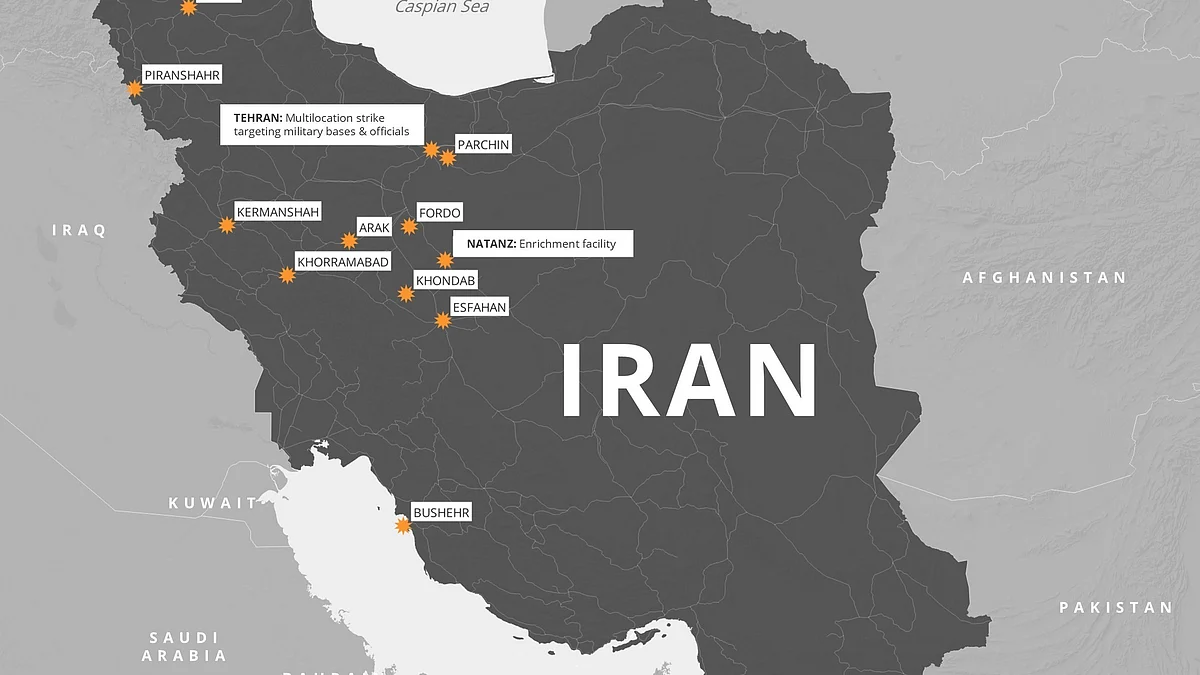

India’s response to the Iran airspace closure had a direct and immediate impact on flights from Tier 2 airports, altering routes, schedules, and passenger experience. The airspace reroutes affected international connectivity from smaller Indian cities more than major hubs, exposing structural gaps in aviation resilience.
Understanding the Context and Time Sensitivity
This topic is time sensitive and news driven. The Iran airspace closure forced airlines to reroute flights to avoid restricted zones, impacting long haul and medium haul operations from India. While metro airports have multiple routing and operational buffers, Tier 2 airports operate with tighter margins, fewer alternate routes, and limited international traffic windows.
India’s aviation authorities coordinated with airlines to ensure safety compliance, but the operational burden shifted quickly to carriers and airports handling international departures from non metro cities. The response highlights how geopolitical events can ripple through domestic aviation networks.
Why Iran Airspace Matters for Indian Flights
Iranian airspace sits along a critical corridor for flights connecting India to Europe, parts of West Asia, and North Africa. Many long haul flights traditionally pass through this zone to optimise fuel efficiency and flight duration.
When the airspace became unavailable, airlines had to adopt longer southern or northern routes. These deviations increased flight time, fuel consumption, and crew duty requirements. For Tier 2 airports, where international flights are fewer and tightly scheduled, even minor delays can disrupt entire rotation plans.
This made Tier 2 routes more vulnerable compared to metro airports that handle higher traffic volumes and have more flexible scheduling.
Impact on Tier Two Airport Operations
Tier 2 airports experienced delays, rescheduling, and in some cases temporary suspension of certain international services. Flights operating on thin margins became less viable due to higher operating costs linked to rerouting.
Passengers flying from cities such as those with direct Gulf or Europe connections faced longer journey times and extended layovers. In some cases, airlines consolidated passengers through metro hubs to manage costs, indirectly reducing direct international access from smaller cities.
Ground operations at Tier 2 airports also felt pressure, as revised arrival and departure timings affected staffing, customs clearance windows, and slot coordination.
Airline Adjustments and Network Rebalancing
Airlines operating from India responded by prioritising high demand routes and metro departures. Aircraft originally deployed on Tier 2 international routes were reassigned to more profitable sectors to offset increased fuel and crew costs.
Some carriers adjusted flight frequencies instead of outright cancellations, while others rerouted passengers via alternative hubs. This network rebalancing reflects a risk management approach where smaller airports often bear the first impact of geopolitical disruptions.
Domestic connections feeding into international flights also faced knock on effects, increasing missed connections and rebooking volumes.
Passenger Experience and Cost Implications
For passengers, the immediate impact was longer travel time, revised itineraries, and in some cases higher fares. Fuel surcharges and dynamic pricing models meant that rerouting costs were partially passed on to travellers.
Passengers from Tier 2 cities were disproportionately affected because alternative direct options are limited. Rebooking often meant additional domestic legs or overnight transits. Communication gaps added to the inconvenience, as schedule changes occurred at short notice.
This situation underscores the importance of travel buffers and flexible ticket policies, especially for international travel originating outside major hubs.
Role of Indian Aviation Authorities
India’s aviation regulators focused on safety compliance and coordination rather than intervention in pricing or route decisions. Advisories were issued to ensure airlines avoided restricted airspace and followed international safety protocols.
While authorities facilitated operational clearances for rerouted flights, the episode revealed limited contingency planning for sustained geopolitical disruptions affecting key air corridors. For Tier 2 airports, long term resilience depends on diversified route planning and stronger hub integration.
The response prioritised safety, but operational efficiency challenges remain an area for policy attention.
What This Means for Tier Two Airport Growth
The airspace reroutes highlight structural vulnerabilities in Tier 2 international connectivity. As more non metro airports expand global routes, exposure to geopolitical risk increases.
Airlines may reassess the viability of certain long haul routes from smaller cities unless demand consistently offsets higher operational costs. This could slow the pace of direct international expansion from Tier 2 airports in the near term.
At the same time, the situation strengthens the case for developing stronger regional hubs and improving domestic to international transfer infrastructure.
Takeaways
Iran airspace closure forced longer routes impacting Tier 2 airport connectivity
Smaller airports faced higher disruption due to limited operational flexibility
Airlines prioritised metro routes to manage rising fuel and crew costs
The episode highlights the need for resilient aviation planning beyond metros
FAQs
Why did Iran airspace closure affect Tier 2 airports more?
Tier 2 airports have fewer international flights and less flexibility to absorb longer routes and delays.
Were flights cancelled from Tier 2 cities?
Some services were rescheduled or consolidated rather than fully cancelled, depending on route viability.
Did ticket prices increase due to rerouting?
In some cases, longer routes increased costs, which were reflected in fares or surcharges.
Is this impact temporary or long term?
Short term disruption is immediate, but long term effects depend on how long airspace restrictions continue.