
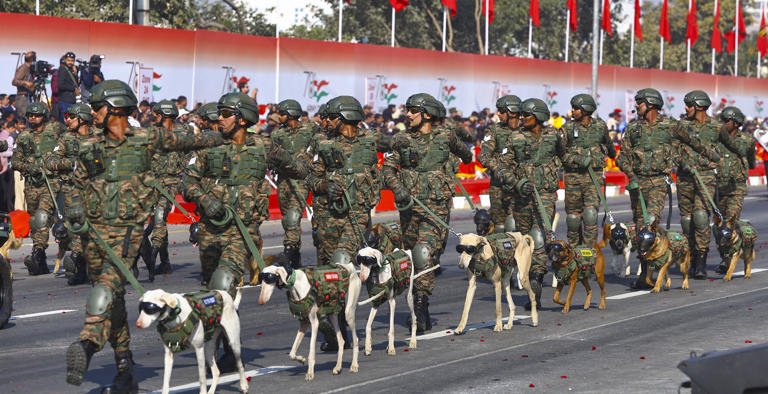

Army Day in Jaipur marks a deliberate move to decentralize national military celebrations beyond the capital. The Army Day event highlights India’s intent to broaden public engagement, regional representation, and strategic messaging by taking high profile national ceremonies to cities outside Delhi.
Understanding the Context and Intent
This topic is time sensitive and news driven. Army Day is observed annually to mark the day the Indian Army’s first Commander in Chief took charge. Traditionally centered in Delhi, the decision to hold Army Day celebrations in Jaipur reflects a conscious policy shift. The intent is informational reporting, focusing on what this decentralization means symbolically, strategically, and operationally.
By moving the event to Jaipur, the Army reinforces the idea that national institutions belong equally to all regions. It also aligns with a broader government approach of distributing major national events across states to strengthen regional inclusion and visibility.
Why Jaipur Was Chosen for Army Day
Jaipur holds historical and strategic significance. Rajasthan has a long standing military tradition, contributes significantly to armed forces recruitment, and hosts key training and operational formations. The state’s proximity to international borders adds strategic relevance to hosting a major Army event.
Jaipur also offers logistical capability to host large scale parades, displays, and public events. Its selection balances symbolism with operational feasibility. By choosing a city with deep military roots, the Army connects the celebration with local identity rather than treating it as a purely ceremonial relocation.
This choice reinforces respect for regions that have historically supported national defence efforts.
The Case for Decentralizing National Celebrations
Decentralizing events like Army Day serves multiple objectives. First, it expands public access. Citizens outside Delhi get the opportunity to witness military ceremonies, equipment displays, and interactions firsthand rather than through broadcasts alone.
Second, it strengthens civil military relations at the regional level. Direct engagement builds awareness about the Army’s role, challenges, and modernization efforts. This is particularly relevant for younger audiences and students in non metro cities.
Third, decentralization sends a message of unity. It underlines that national pride and institutions are not confined to one city or region.
Operational and Security Implications
Hosting Army Day outside Delhi requires extensive coordination. Security planning must adapt to local geography, infrastructure, and crowd management dynamics. This demonstrates the Army’s ability to operate seamlessly across diverse environments.
Logistics such as troop movement, equipment transport, and ceremonial rehearsals are more complex outside established capital routines. Successfully executing the event in Jaipur showcases organizational flexibility and readiness.
From a security perspective, decentralization also distributes risk and reduces over concentration of major events in one location.
Strategic Messaging and Public Perception
Army Day events are not just ceremonial. They communicate strategic messages about preparedness, modernization, and national resolve. Holding the event in Jaipur brings these messages closer to regions directly connected to defence realities.
Displays of indigenous equipment, modern capabilities, and operational readiness gain added credibility when showcased in states with strong military presence. For the public, it reinforces confidence in the armed forces and awareness of evolving defence priorities.
It also aligns with the narrative of self reliance and broader national participation in defence preparedness.
Broader Implications for Future National Events
Army Day in Jaipur may set a precedent for other national celebrations. Rotating venues across states ensures balanced representation and sustained public interest. It also allows regions to showcase their cultural and historical ties to national institutions.
For local administrations, hosting such events boosts infrastructure readiness and administrative coordination. It creates temporary economic activity while placing the city on the national spotlight.
If managed consistently, decentralization can deepen national integration rather than dilute the significance of these events.
What It Means for Rajasthan and Similar States
For Rajasthan, hosting Army Day elevates its visibility as a defence aligned state. It acknowledges the contribution of local communities to the armed forces and reinforces regional pride.
Other states with strong defence links may now expect similar opportunities. This could encourage healthier competition among regions to support national initiatives, improve civic infrastructure, and engage more actively with defence institutions.
The shift signals that national recognition is becoming more geographically inclusive.
Takeaways
Army Day in Jaipur reflects a deliberate move to decentralize national celebrations
The decision strengthens regional inclusion and public engagement
Operational execution outside Delhi showcases organisational flexibility
The event sets a precedent for rotating major national ceremonies
FAQs
Why was Army Day held in Jaipur instead of Delhi?
The move reflects a policy shift to decentralize national events and recognize regions with strong military ties.
Does decentralization reduce the importance of Army Day?
No, it expands its reach and strengthens national connection without reducing significance.
Will future Army Day events also be held outside Delhi?
The Jaipur event suggests that rotating locations may become a continued approach.
How does this benefit local communities?
It increases public engagement, awareness, and regional pride while bringing national attention to the host city.