
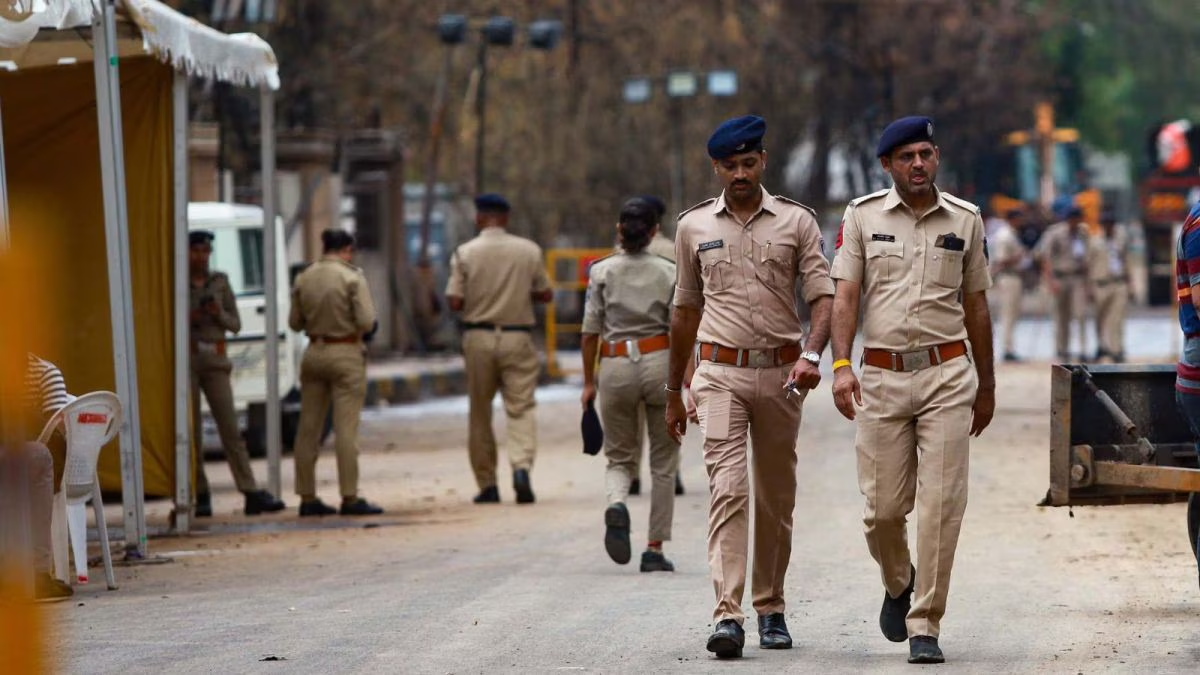

Operation Gang Bust is a coordinated multi state crackdown targeting organised criminal gangs operating across North India. The operation has led to arrests, seizures, and heightened policing, with direct implications for public safety, inter state crime control, and community confidence in law enforcement.
Why Operation Gang Bust was launched now
Operation Gang Bust is a time sensitive law enforcement initiative triggered by rising organised crime networks that operate across state borders. These gangs are involved in extortion, contract killings, illegal arms movement, land grabbing, and organised theft. Traditional policing at the state level struggled to contain them because gang members often fled across borders to evade arrest.
The operation brings together police forces from multiple northern states to share intelligence, track movement patterns, and conduct simultaneous raids. The timing reflects increased coordination among agencies and a recognition that fragmented action was allowing criminal networks to regroup quickly. By acting together, authorities aimed to break the cycle of arrest, escape, and reoffending.
Scope of arrests and enforcement action
Arrests under Operation Gang Bust include gang leaders, shooters, logistical supporters, and financial handlers. Law enforcement agencies have focused not only on those carrying out violent acts but also on individuals providing shelter, weapons, vehicles, and funding.
Search operations have led to the recovery of illegal firearms, ammunition, sharp weapons, and cash. In several cases, properties suspected to be used as hideouts were identified and sealed. The crackdown also involved intensified checking at transport hubs and border districts where gang movement is typically high. The scale of action signals a shift from reactive policing to proactive disruption of criminal ecosystems.
Impact on organised crime networks
The immediate impact of Operation Gang Bust has been the disruption of command structures within gangs. Arresting leaders creates confusion, weakens morale, and interrupts communication channels. Financial pressure through asset scrutiny further limits the ability of gangs to operate.
Short term crime suppression is expected in affected districts, especially for offences linked to organised groups. However, law enforcement agencies are aware that such networks often attempt to reorganise. Sustained surveillance and follow up cases are critical to prevent regrouping under new leadership or alliances.
What this means for public safety in North India
For the general public, the operation improves safety by reducing the presence of habitual offenders involved in violent crime. Areas previously affected by extortion threats, targeted violence, or organised intimidation may experience temporary relief and increased confidence.
Intercity travel corridors, industrial zones, and semi urban regions often targeted by gangs are likely to see tighter security checks. While visible policing may increase in the short term, the long term goal is deterrence rather than permanent surveillance. A successful crackdown sends a message that crossing state borders will no longer provide protection to criminal groups.
Community response and public perception
Community response to Operation Gang Bust has largely been cautious but positive. Residents in affected areas often welcome decisive action but remain watchful about long term outcomes. Fear of retaliation or resurfacing crime is common in regions with a history of gang activity.
Public cooperation has played a role in providing local intelligence, particularly where trust between communities and police has improved. Law enforcement outreach efforts aim to reassure citizens that reporting crime will not lead to exposure or harm. Building this trust is essential for converting enforcement success into sustained safety.
Challenges and risks going forward
One of the main challenges after a large scale crackdown is preventing power vacuums. When senior gang members are removed, younger or rival groups may attempt to take control. This can lead to short term spikes in violence if not managed carefully.
Legal follow through is another critical factor. Arrests must translate into strong cases, timely trials, and convictions. Weak prosecution or delayed justice can undermine the impact of the operation. Coordination between police, prosecutors, and courts becomes as important as the initial raids.
How multi state policing may evolve
Operation Gang Bust highlights a growing trend towards joint operations across state lines. Crime networks no longer respect jurisdictional boundaries, and policing strategies are adapting accordingly.
Future operations are likely to focus more on data driven policing, financial crime tracking, and early intervention. Sharing criminal databases, monitoring repeat offenders, and using technology to track movement patterns will shape how similar crackdowns are conducted. The operation may serve as a template for addressing other forms of organised crime beyond gangs.
What citizens should realistically expect
Citizens should expect improved short term safety and a visible law enforcement presence in affected areas. However, long term change depends on sustained policing, legal outcomes, and community engagement.
Public safety improves most when enforcement is paired with prevention, youth intervention, and economic stability. Crackdowns alone cannot eliminate organised crime, but they can significantly weaken its grip when executed consistently.
Takeaways
Operation Gang Bust targets organised gangs operating across state borders
Arrests and seizures disrupt leadership, funding, and logistics networks
Public safety improves through deterrence and reduced gang activity
Long term success depends on follow up action and strong legal outcomes
FAQs
What types of crimes are covered under Operation Gang Bust?
The operation targets organised crimes such as extortion, violent offences, illegal arms trade, and gang related intimidation.
Is this a one time operation or ongoing effort?
It is part of an ongoing enforcement strategy with phased actions and follow up investigations.
Will local policing change after the operation?
Short term security may increase, followed by targeted surveillance rather than blanket policing.
How can citizens support public safety efforts?
By reporting suspicious activity, cooperating with authorities, and avoiding engagement with criminal networks.