
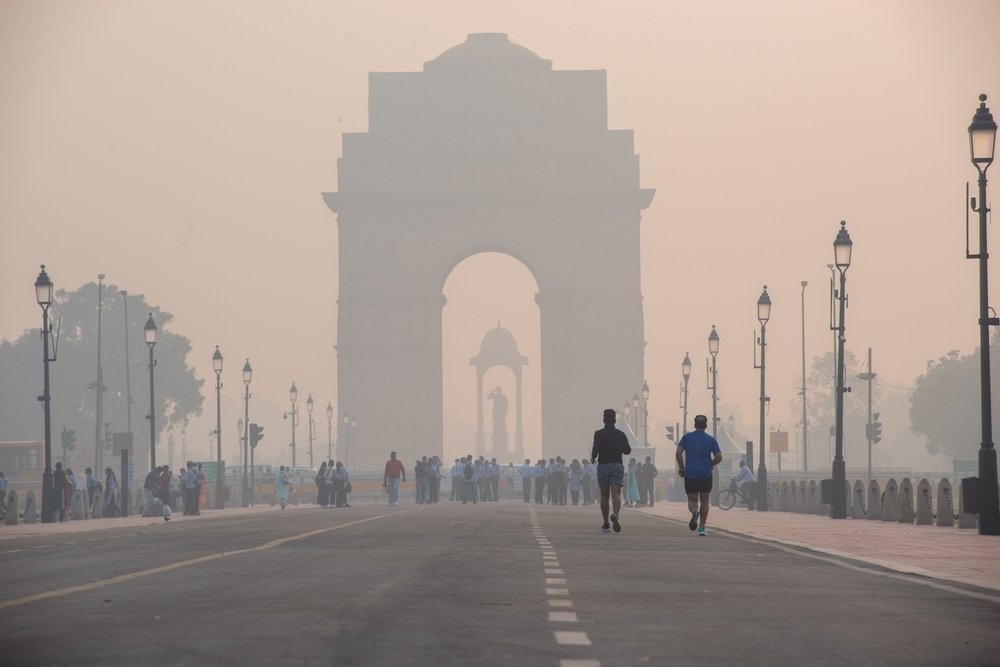

Delhi’s AQI spike amid severe smog has once again highlighted how air pollution impacts not just metros but also smaller urban centres across North India. Understanding the causes, health risks, and practical local advisories is essential for residents of Tier 2 and Tier 3 cities facing similar pollution patterns.
Understanding Delhi’s AQI spike and what it signals
Delhi’s AQI spike is a time sensitive public health and environmental issue driven by a combination of seasonal and structural factors. During winter, lower temperatures and calm wind conditions trap pollutants close to the ground. Vehicular emissions, industrial output, construction dust, and biomass burning add to this load. Temperature inversion prevents dispersion, leading to dense smog.
What matters for smaller cities is that this pattern is not unique to Delhi. Cities like Ghaziabad, Faridabad, Panipat, Meerut, Ludhiana, and even smaller district headquarters experience similar conditions during winter. Pollution does not respect administrative boundaries. When regional air sheds are saturated, nearby urban centres also see AQI levels move into poor or very poor categories.
How air pollution spreads to smaller urban centres
Smog formation is a regional phenomenon. Pollutants from multiple cities combine and circulate within a shared air basin. When wind movement is weak, pollution generated in one area accumulates across the region. Smaller cities often lack continuous monitoring stations, but residents experience the same symptoms.
Local sources amplify the problem. Open waste burning, diesel generators, unregulated construction, and older vehicles contribute significantly in non metro areas. In many towns, enforcement of emission norms is weaker, allowing pollution levels to rise silently until visibility drops and health complaints increase.
Health risks linked to high AQI levels
High AQI exposure affects everyone, but the impact varies by age and health condition. Children, elderly people, pregnant women, and individuals with asthma or heart disease face higher risks. Short term exposure can cause eye irritation, throat discomfort, coughing, headaches, and fatigue. Long term exposure increases the risk of respiratory infections, reduced lung function, and cardiovascular problems.
In smaller cities, delayed diagnosis and limited access to specialists worsen outcomes. People often dismiss symptoms as seasonal flu or weather related discomfort. Recognising pollution as a trigger is the first step toward prevention and timely care.
Interpreting local advisories during smog conditions
Local advisories are issued when pollution levels cross certain thresholds. These advisories may recommend limiting outdoor activity, especially during early morning and late evening when pollution peaks. Schools may reduce outdoor sports, and construction activity may be restricted temporarily.
Residents should pay attention to district level advisories rather than relying only on metro focused alerts. Even if a city does not make national headlines, AQI readings can still be harmful. Advisory compliance is not about panic but about reducing cumulative exposure over several days.
Practical health tips for daily life in polluted conditions
Protective measures do not require expensive equipment. Limiting outdoor exposure during peak pollution hours is the most effective step. Walking, jogging, or cycling should be shifted to mid afternoon when dispersion improves slightly.
Indoor air quality matters as well. Keeping doors and windows closed during peak smog hours reduces indoor pollutant entry. Simple practices like wet mopping floors and using exhaust fans during cooking help lower indoor pollution levels. Masks designed to filter fine particles offer protection during unavoidable outdoor travel, especially for commuters.
Special precautions for children and elderly residents
Children breathe faster than adults and inhale more pollutants relative to body weight. Schools in smaller cities may not always adjust schedules, so parents should monitor symptoms closely. Persistent coughing, wheezing, or breathlessness should not be ignored.
Elderly residents should avoid morning walks during high AQI days and ensure regular medication intake if they have existing conditions. Staying hydrated helps reduce throat irritation caused by dry polluted air. Family members should assist with errands to limit unnecessary exposure.
Role of local administration and community action
Local authorities play a key role in mitigating pollution impact through traffic management, dust control, and waste handling. Community reporting of open burning and excessive dust can prompt quicker action. Awareness campaigns in smaller cities help residents understand that pollution is not only a metro issue.
Community level solutions such as car pooling, reducing generator use, and supporting green cover initiatives contribute to long term improvement. While individual actions may seem small, collective behaviour influences overall air quality trends.
Preparing for recurring winter pollution cycles
Winter pollution is a recurring challenge, not a one off event. Smaller cities should treat Delhi’s AQI spike as an early warning system. Stocking basic protective gear, adjusting daily routines, and staying informed during winter months reduces health risks.
Households with vulnerable members should plan doctor consultations in advance rather than waiting for emergencies. Understanding local pollution patterns helps families make informed decisions year after year.
Takeaways
Delhi’s AQI spike reflects a regional pollution pattern affecting smaller cities
High AQI levels pose serious short and long term health risks
Local advisories should be followed even if national attention is limited
Simple daily precautions can significantly reduce pollution exposure
FAQs
Why do smaller cities experience pollution similar to Delhi?
They share regional air sheds and are affected by the same weather and emission patterns.
Is staying indoors always safe during smog?
Indoor air is usually cleaner, but proper ventilation management is important to reduce indoor pollutants.
Are masks effective against air pollution?
Masks designed to filter fine particles can reduce exposure when used correctly.
When should medical help be sought during high pollution days?
Seek medical advice if breathing difficulty, chest pain, or persistent coughing occurs.