
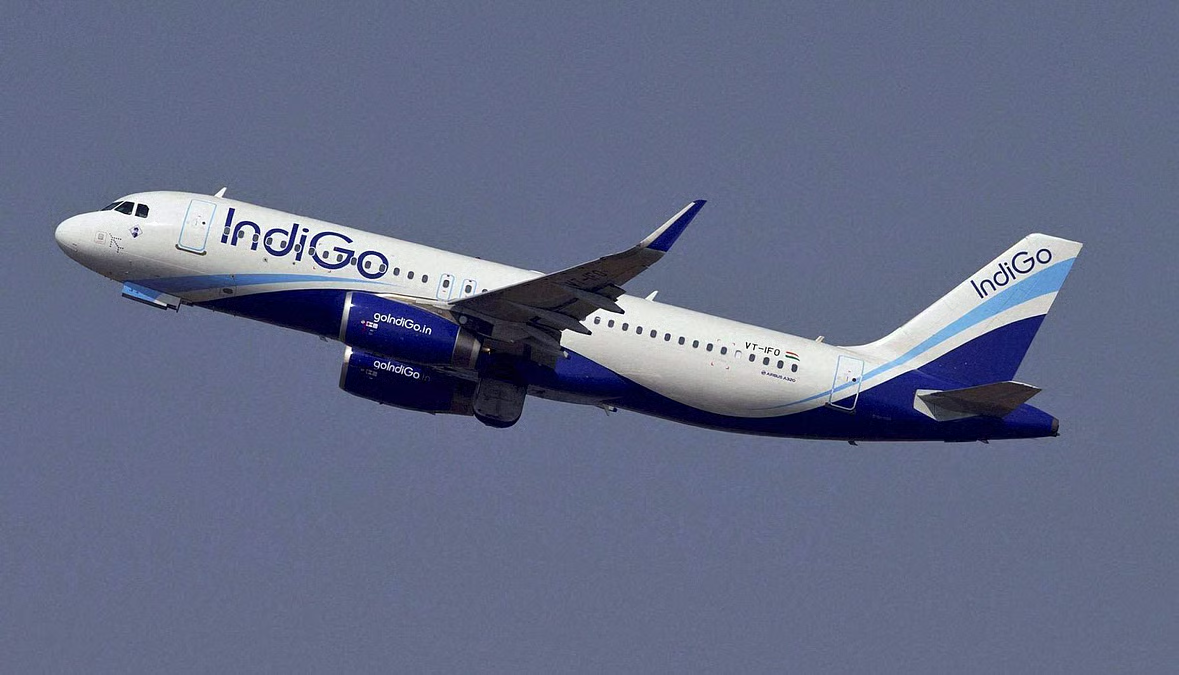

IndiGo’s new non stop Athens flights from Mumbai and Delhi mark a significant expansion of India’s direct air connectivity with Europe. The move opens up fresh travel options not only for metro passengers but also for Tier 2 travellers who usually rely on indirect international routes.
This article examines what these new IndiGo Athens flights mean in practical terms, how Tier 2 cities can benefit, pricing and connectivity implications, and whether this route genuinely changes outbound travel dynamics for Indian passengers.
Why IndiGo’s Athens Flights Matter Right Now
IndiGo’s new non stop Athens flights come at a time when international travel demand from India is steadily rising. Europe remains one of the most sought after destinations for tourism, business and education, but limited direct routes often push travellers toward expensive or time consuming connections.
Athens serves as both a tourist hub and a strategic gateway to Southern Europe. Direct connectivity reduces travel time significantly compared to one stop routes via the Middle East or Western Europe. For Indian travellers, especially first time international flyers, non stop flights simplify visa planning, baggage handling and transit formalities.
This route also signals IndiGo’s broader intent to expand its long haul and international footprint beyond regional markets.
Route Details and Operational Overview
The Athens flights operate non stop from Delhi and Mumbai, two of IndiGo’s largest international hubs. Flight durations are expected to be around eight to nine hours, depending on wind and air traffic conditions.
Aircraft deployed on this route are configured for long haul comfort, with improved seating layouts and onboard services compared to short haul flights. The schedule is designed to allow convenient onward connections within Europe through Athens, particularly to destinations in Greece, Italy and Eastern Europe.
For outbound travellers, the timing also allows smoother immigration processing and same day transfers to other European cities.
What This Means for Tier 2 City Travellers
While the flights originate from Delhi and Mumbai, the real opportunity lies with Tier 2 travellers. Cities like Jaipur, Lucknow, Indore, Nagpur, Surat, Coimbatore and Kochi already have strong domestic connectivity to these hubs.
Instead of booking complex international itineraries with multiple stopovers, Tier 2 passengers can now plan a simple domestic leg followed by a direct international flight. This reduces overall journey fatigue and the risk of missed connections.
For families, senior citizens and group travellers, this structure is far more manageable than transiting through unfamiliar foreign airports.
Cost Implications and Fare Expectations
Non stop flights typically command a premium, but IndiGo’s pricing strategy has historically focused on competitive fares. Early indicators suggest that Athens fares are positioned lower than many traditional European carriers offering one stop connections.
For Tier 2 travellers, overall trip cost may still be favourable despite the domestic feeder flight. Savings come from reduced layover expenses, shorter travel times and fewer visa related complications linked to transit countries.
As competition increases on Europe bound routes, fare stability is expected to improve, making direct travel more accessible over time.
Tourism, Business and Student Travel Impact
Athens is a strong draw for Indian tourists due to its historical sites, Mediterranean climate and cruise connectivity. Direct flights are likely to increase leisure travel, especially during summer months.
Business travellers also benefit, as Greece has growing trade links in shipping, infrastructure and energy sectors. Faster travel enables shorter business trips and more predictable schedules.
For students, Athens can serve as an entry point to universities and institutions across Europe. Direct access reduces logistical challenges, especially during peak admission and semester travel periods.
How This Changes Europe Travel Strategy for Indians
Traditionally, Indian travellers have relied heavily on hubs like Dubai, Doha, Istanbul and Frankfurt. Direct Athens flights introduce an alternative southern European gateway.
This diversification reduces dependency on a few transit hubs and spreads passenger load across different entry points. For travellers heading to Balkan countries or island destinations, Athens is often more practical than northern European airports.
For Tier 2 travellers, this means more choice and less pressure to route everything through a single international hub.
Limitations and Practical Considerations
Despite the benefits, some limitations remain. Tier 2 passengers still need to manage domestic to international transfers, including baggage recheck depending on ticket structure.
Visa requirements remain unchanged, and travellers must still secure Schengen visas. Seasonal demand could also affect seat availability during peak months.
Additionally, return connectivity options should be reviewed carefully to ensure smooth scheduling, especially when combining domestic and international legs.
What to Watch Going Forward
If the Athens route performs well, it could encourage IndiGo to explore more direct Europe destinations. This would further benefit Tier 2 cities by expanding accessible gateways.
Airline partnerships, improved interline agreements and coordinated domestic schedules will determine how seamless the experience becomes for non metro passengers.
Monitoring load factors, fare trends and frequency increases over the next few months will provide clearer insight into long term viability.
Takeaways
- IndiGo’s non stop Athens flights reduce travel time to Europe significantly
- Tier 2 travellers can benefit via domestic connections to Delhi and Mumbai
- Direct access improves tourism, business and student travel options
- Pricing and schedule stability will determine long term success
FAQs
Are these flights suitable for Tier 2 city passengers?
Yes. With strong domestic connectivity to Delhi and Mumbai, Tier 2 travellers can access these flights with one domestic leg.
Will fares be affordable compared to one stop routes?
Initial pricing appears competitive, especially when factoring in reduced travel time and fewer transit costs.
Do passengers still need a Schengen visa?
Yes. Standard Schengen visa requirements apply for travel to Greece.
Could more European routes follow this launch?
If demand remains strong, similar direct routes to other European cities are possible.