

Short summary
Choosing the best smart TV under ₹12,000 requires focusing on software experience, display quality, and long-term usability rather than raw specifications. This guide explains what matters most in this price range, with a practical case study of JioTele OS powered TVs by Thomson.
Understanding the intent and nature of the topic
This is an evergreen informational topic. Budget smart TVs remain consistently relevant for Indian households, especially in Tier 2 and Tier 3 cities. The tone here is educational and practical, aimed at helping buyers make informed decisions beyond marketing claims.
Why buying a smart TV under ₹12,000 is different
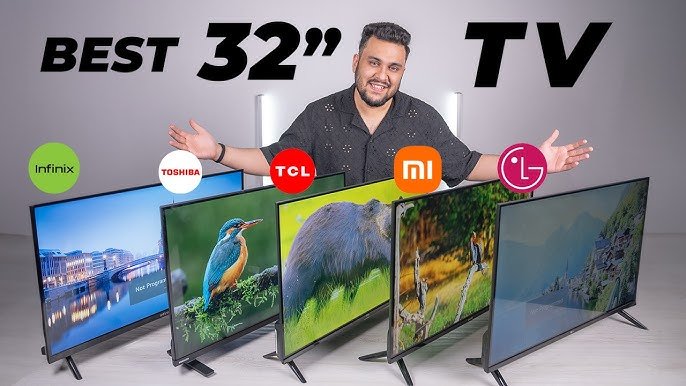
How to choose the best smart TV under ₹12,000 starts with accepting the limitations of this segment. At this price, buyers cannot expect premium panels, ultra-thin designs, or advanced gaming features. What they can expect is reliable everyday performance for OTT viewing, live TV, and casual usage.
Most TVs in this range are 32-inch HD Ready models. Full HD panels are rare and often come with compromises in software or build quality. The key decision is not resolution alone, but how smoothly the TV runs apps, handles updates, and performs over time.
For many Indian homes, especially first-time smart TV buyers, stability and ease of use matter more than headline specs.
Display and audio basics that actually matter
In the sub ₹12,000 segment, HD Ready resolution is standard. Buyers should focus on panel brightness, colour consistency, and viewing angles rather than chasing numbers. IPS panels generally offer better angles than VA panels, but availability varies by brand.
Refresh rates are usually capped at 60Hz, which is sufficient for movies and TV shows. Claims of higher refresh rates in this segment are often software-based smoothing rather than true panel capability.
Audio output typically ranges between 16W and 24W. For small to medium rooms, this is adequate. Buyers should check for clear dialogue reproduction rather than bass-heavy sound, as external speakers can always be added later.
Importance of software experience in budget smart TVs
Software is the biggest differentiator when choosing the best smart TV under ₹12,000. Hardware limitations mean that poorly optimised operating systems can feel slow and frustrating.
Many budget TVs run generic Android TV versions with limited RAM, leading to lag, app crashes, and delayed updates. This is where lightweight operating systems gain importance. Faster boot times, smoother navigation, and quicker app launches directly improve daily usage.
Buyers should prioritise TVs with simplified interfaces, stable app support, and regular updates over feature-heavy but slow platforms.
Case study: JioTele OS by Thomson
JioTele OS powered TVs by Thomson provide a useful case study for this segment. These TVs focus on delivering a streamlined smart TV experience rather than competing on raw specifications.
JioTele OS is designed to work efficiently on entry-level hardware. The interface is clean, app-centric, and optimised for Indian users. Popular OTT apps are pre-installed, reducing setup friction. Navigation is faster compared to many stock Android implementations in the same price range.
For households transitioning from non-smart TVs, this simplicity lowers the learning curve. The OS prioritises content discovery and quick access over deep customisation.
Connectivity and ports you should not ignore
Even in budget TVs, connectivity matters. Buyers should check for at least two HDMI ports and one USB port. This allows connecting set-top boxes, gaming consoles, or external storage without constant cable swapping.
Built-in Wi-Fi is standard, but dual-band support improves streaming stability in homes with congested networks. Bluetooth support is useful for wireless headphones or speakers, especially for late-night viewing.
Ethernet ports are less common but valuable in areas with unreliable Wi-Fi. Checking these basics prevents future frustration.
Build quality and after-sales support
Smart TVs under ₹12,000 often compromise on build materials, but basic sturdiness is still important. Thin bezels look appealing, but the stand and rear panel should feel stable, especially in homes with children.
After-sales service is a critical but overlooked factor. Buyers should consider brand presence, service centre availability, and warranty terms. A slightly lower specification TV with reliable service support often proves better in the long run.
Who should buy a TV in this price range
This segment is ideal for secondary rooms, rental homes, students, and small families. It also works well for users upgrading from CRT or basic LED TVs.
It is not suitable for gamers, home theatre enthusiasts, or users expecting premium picture tuning. Understanding this avoids disappointment and leads to better purchase satisfaction.
Final checklist before buying
Before finalising a purchase, buyers should compare software smoothness, app support, and remote control usability. Online reviews often reveal long-term performance issues that spec sheets hide.
Checking current pricing during sales can also bring slightly higher models into this budget temporarily.
Takeaways
Software performance matters more than resolution in budget smart TVs
HD Ready panels are standard and sufficient for everyday viewing
Lightweight operating systems deliver smoother long-term usage
Service support and reliability outweigh minor spec differences
FAQs
Is HD Ready enough for a 32-inch smart TV
Yes. At typical viewing distances, HD Ready resolution is adequate for 32-inch screens.
Is Android TV better than other operating systems
Not always. On low-end hardware, lightweight operating systems often perform better than full Android TV.
Can I install all OTT apps on budget smart TVs
Most popular OTT apps are supported, but availability depends on the operating system and app store.
Are budget smart TVs future-proof
They are suitable for current streaming needs but should not be expected to support heavy future features.