

Short summary
Indian Army and LoC security updates directly affect daily life in the Jammu region. This article explains what recent security measures mean for civilians, how LoC protocols work, and what residents should realistically understand without panic, speculation, or misinformation.
Understanding the intent and nature of the topic
This is a time sensitive news and explanatory topic. Line of Control security conditions evolve based on ground situations, alerts, and preventive measures. The tone here follows a calm, factual reporting style focused on civilian awareness rather than operational detail.
Why Indian Army and LoC security updates matter to civilians
Indian Army and LoC security updates are not meant only for strategic or military audiences. For civilians living in Jammu region, especially border districts, these updates influence movement advisories, public safety protocols, and daily routines.
Security changes are often preventive rather than reactive. Increased patrols, surveillance activity, or temporary restrictions usually indicate heightened vigilance, not immediate danger. Understanding this distinction helps residents respond appropriately instead of reacting to rumours or unverified information.
The Jammu region has both urban centres and rural border belts. Security measures are designed to protect civilians while ensuring that normal life continues as smoothly as possible.
How LoC security protocols typically change
Security along the Line of Control follows a layered approach. Changes may include increased troop visibility, intensified night surveillance, road checkpoints, or restricted access to certain areas near the border.
These adjustments are usually time bound and situation specific. They are often implemented during periods of increased cross border activity, intelligence alerts, or seasonal vulnerabilities such as winter fog or poor visibility.
For civilians, the visible signs are additional checks, delayed travel, or advisory notices. These do not mean escalation by default. They indicate readiness and deterrence.
What residents in Jammu region may notice
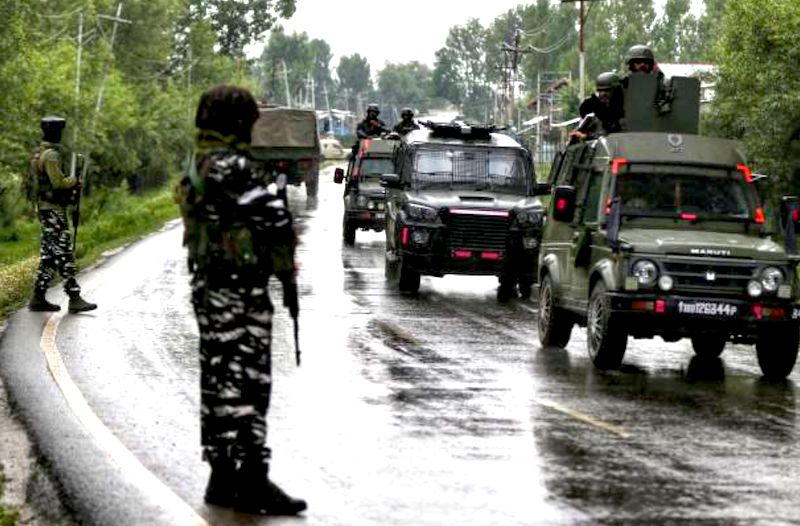
When LoC security is tightened, residents may experience increased police and army presence on highways, near bridges, and at entry points to towns. Vehicle checks become more frequent, and identity verification may be requested.
Mobile network slowdowns or temporary restrictions can occur in sensitive zones, though broad shutdowns are less common than in the past. Night movement near border villages may be discouraged for safety reasons.
Schools, markets, and offices usually remain open unless a specific advisory is issued. In most cases, daily life continues with minor adjustments rather than complete disruption.
Understanding alerts versus emergency situations
One common issue is confusion between alerts and emergencies. Security alerts are internal readiness signals. They do not automatically translate into public emergencies.
Emergency situations involve clear public advisories, curfews, or evacuation instructions issued by district administrations. In their absence, residents should continue normal activities while following general safety guidance.
Social media often amplifies partial information. Relying on official local announcements rather than forwarded messages is essential during such periods.
Role of local administration and coordination
The Indian Army operates in coordination with local police, civil administration, and disaster response teams. District authorities act as the communication bridge between security forces and civilians.
Advisories related to traffic, schools, or public events are issued locally based on ground assessment. This decentralised approach allows responses tailored to specific areas rather than blanket restrictions.
Residents should follow district level instructions, as conditions can vary even within the same region.
Travel and movement guidelines for civilians
During heightened LoC security, civilians are advised to carry valid identification while travelling, especially near border districts. Avoiding unnecessary night travel in sensitive areas reduces risk.
Public transport may operate with slight delays due to checks. Private vehicle users should cooperate at checkpoints and follow diversion instructions without argument.
Tourists visiting Jammu region during such periods should check local advisories and avoid restricted zones. Tourism hubs are usually unaffected, but access routes may be regulated temporarily.
What not to assume or spread
A critical aspect of civilian awareness is understanding what not to assume. Increased army movement does not automatically indicate conflict. Training exercises and routine rotations also increase visibility.
Sharing unverified videos, images, or claims can create unnecessary fear. In sensitive regions, misinformation spreads faster than facts and can disrupt normalcy.
Responsible behaviour includes verifying information, avoiding speculation, and discouraging panic conversations.
Long term security context in Jammu region
The Jammu region has seen sustained efforts to strengthen border infrastructure, surveillance technology, and civilian safety mechanisms. These measures aim to reduce risk while allowing economic and social activity to continue.
Over time, security management has shifted towards targeted, intelligence based responses rather than broad restrictions. This benefits civilians by reducing disruption while maintaining vigilance.
Understanding this broader context helps residents view short term security updates with perspective rather than anxiety.
How citizens can contribute to safety
Civilians play a role in maintaining security through awareness and cooperation. Reporting suspicious activity to local authorities, following advisories, and maintaining calm are practical contributions.
Community level coordination, especially in border villages, helps authorities respond faster and more accurately. Trust between civilians and administration is a key pillar of regional stability.
Takeaways
Indian Army and LoC security updates are largely preventive in nature
Increased security presence does not automatically signal an emergency
Local advisories should be followed over social media speculation
Civilian cooperation helps maintain safety and normal life
FAQs
Does increased army movement mean conflict is imminent
No. Increased movement often reflects routine vigilance or preventive deployment rather than escalation.
Should civilians change daily routines during security alerts
Only if local authorities issue specific advisories. Otherwise, normal activities can continue with caution.
Can mobile or internet services be affected
Temporary restrictions may occur in sensitive areas, but widespread shutdowns are less common now.
Who issues official instructions to civilians
District administrations and local authorities issue public advisories based on security assessments.