
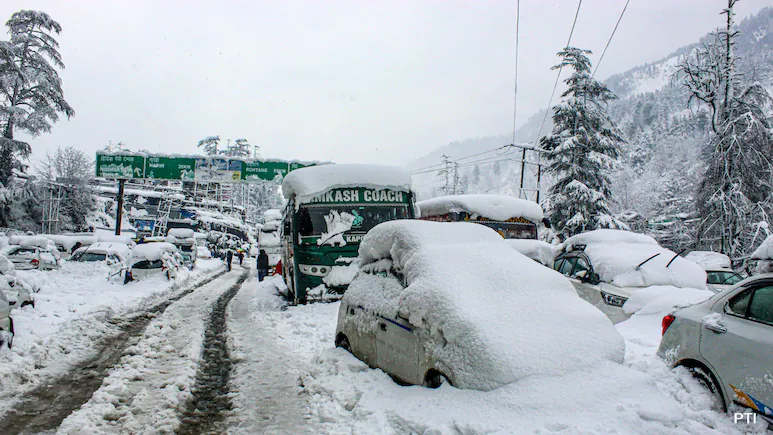

Weather pattern shifts causing fresh snowfall across Himachal Pradesh, Uttarakhand, and Jammu and Kashmir are significantly impacting travel and daily life in the Himalayan region. The changing snowfall pattern is affecting road connectivity, air travel, essential services, and local livelihoods, especially in high altitude and border districts.
This article explains how recent snowfall trends are disrupting movement, daily routines, and administrative preparedness across these states, while highlighting what residents and travellers should realistically expect during prolonged winter conditions.
Understanding recent snowfall patterns in the western Himalayas
The current weather pattern shift is marked by frequent and intense snowfall spells rather than steady seasonal snow. This change is linked to stronger western disturbances moving across northern India. Instead of predictable snowfall windows, the region is witnessing sudden snow events followed by brief clear periods.
Such variability increases disruption risks. Roads that reopen after snow clearance may shut again within hours. Temperature fluctuations also create black ice conditions, making travel hazardous even after snowfall stops. These patterns complicate planning for residents, tourists, and authorities alike.
The unpredictability is now a defining feature of winter across Himachal, Uttarakhand, and Jammu and Kashmir.
Impact of snowfall on road travel and connectivity
Road connectivity remains the most affected sector during snowfall. National highways and state roads in hill regions are highly vulnerable to snow accumulation and landslides. Border roads and interior routes are often closed as a preventive measure.
In Himachal and Uttarakhand, hill towns depend heavily on a limited number of access roads. Even partial blockage disrupts supply chains and daily commuting. In Jammu and Kashmir, snowfall frequently affects both highway movement and inter district connectivity.
Snow clearance operations take time due to terrain constraints. This leads to traffic backlogs, stranded vehicles, and delays in essential goods delivery.
Effect on air travel and public transport
Snowfall and low visibility conditions disrupt flight operations in northern hill states. Airport operations are affected by runway conditions and visibility thresholds. Even when airports remain operational, flight schedules are often delayed or cancelled.
Public transport services such as buses and shared taxis reduce frequency during snowfall. Night services are commonly suspended due to safety concerns. This limits mobility for daily wage workers, students, and patients requiring medical access.
Travel uncertainty increases costs as travellers are forced to extend stays or seek alternative routes.
Daily life challenges for residents in snowbound areas
For residents, snowfall impacts routine activities beyond travel. Power supply disruptions are common due to snow laden transmission lines and damaged infrastructure. Water supply lines can freeze, affecting household access.
Schools and colleges often suspend physical classes during heavy snowfall. This affects academic schedules, especially in remote areas where online access is unreliable. Healthcare access becomes limited as primary health centres may operate with reduced staff.
Markets function on restricted hours. Perishable goods become scarce, leading to temporary price increases in isolated towns.
Impact on tourism and local economy
Tourism is a double edged outcome of snowfall. While snow attracts visitors, extreme or unpredictable snowfall discourages travel. Tourists cancel trips due to safety concerns and connectivity issues.
Local businesses dependent on tourism face revenue losses when cancellations rise. Hotel occupancy fluctuates sharply. Transport operators face idle days followed by sudden demand spikes.
Ski resorts and snow tourism operators benefit only when conditions remain stable. Prolonged disruptions strain livelihoods in hill economies already sensitive to seasonal income cycles.
Administrative response and disaster preparedness
State administrations activate winter preparedness protocols during snowfall alerts. These include road clearance deployment, emergency shelters, and health advisories. However, response capacity varies by district.
High altitude and border districts receive priority for snow clearance and supply restoration. Lower hill towns may experience delays due to resource distribution challenges.
Coordination between weather agencies, transport departments, and local administrations is critical but often stretched during repeated snowfall spells. Staffing shortages and equipment limitations further complicate response.
How snowfall affects supply chains and essential services
Snowfall disrupts the movement of essential goods such as food supplies, fuel, and medical stock. Tankers and supply vehicles face delays or rerouting, increasing costs.
Fuel shortages are a recurring issue in snowbound areas. Cooking gas and diesel deliveries are particularly affected. Medical supply chains face risks if road closures extend beyond planned durations.
Authorities often advise residents to stock essentials in advance, highlighting the systemic vulnerability of hill supply networks.
Safety concerns and accident risks during snowfall
Accident risk increases significantly during snowfall due to slippery roads, reduced visibility, and driver fatigue. Black ice remains one of the most dangerous conditions as it is not easily visible.
Pedestrian movement also becomes risky. Falls and injuries increase, especially among elderly residents. Emergency response times may increase due to road conditions.
Safety advisories urge reduced travel, proper footwear, and adherence to local restrictions. Ignoring advisories remains a major cause of preventable incidents.
What residents and travellers should realistically expect
Residents should expect intermittent disruptions rather than complete shutdowns. Daily life continues but with reduced efficiency. Planning buffers into schedules is essential.
Travellers should anticipate delays, flexible itineraries, and possible cancellations. Winter travel in these regions now requires risk assessment rather than fixed planning.
Understanding that snowfall impact extends beyond visual appeal is critical for safe decision making.
Long term implications of shifting snowfall patterns
The increasing unpredictability of snowfall raises concerns about long term infrastructure resilience. Roads, power systems, and water networks in hill states were designed for more stable seasonal patterns.
Urban planning and disaster management frameworks will need adjustment to handle frequent weather disruptions. The trend also affects migration, tourism planning, and economic sustainability in Himalayan regions.
Snowfall is no longer just a seasonal event. It is becoming a recurring operational challenge.
Takeaways
- Snowfall patterns are becoming more unpredictable across Himalayan states
- Road and air connectivity face repeated disruptions during snow spells
- Daily life is affected through power, water, and supply interruptions
- Flexible planning and adherence to advisories are essential for safety
FAQs
Why is snowfall becoming more disruptive than before?
Increased frequency and intensity of snowfall events reduce recovery time between disruptions.
Are all areas equally affected by snowfall?
No, high altitude and interior regions face greater impact than district headquarters.
Is it safe to travel during snowfall warnings?
Travel during active snowfall warnings is discouraged due to high accident and closure risk.
How long do disruptions usually last after snowfall?
Minor snowfall disruptions may clear in a day, while heavy snowfall can affect connectivity for several days.