
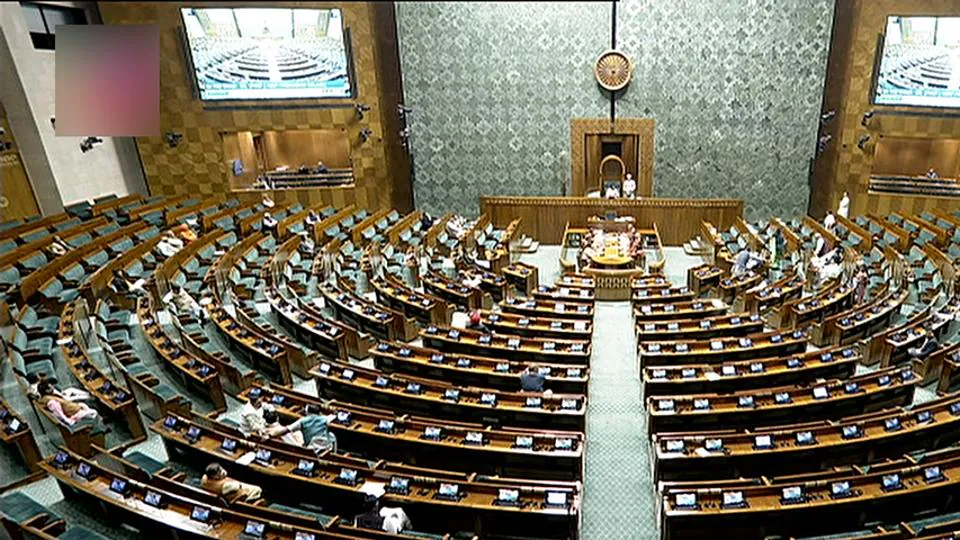

Parliament highlights from the latest session underline an intensifying opposition versus ruling party clash that is raising concerns about policy gridlock. Repeated disruptions, walkouts, and sharp exchanges are slowing legislative business, with implications for governance, economic reforms, and public trust in parliamentary processes.
What Triggered the Latest Parliament Clash
The recent Parliament highlights reflect a pattern rather than a one off confrontation. The opposition and ruling party clashed over procedural issues, accountability demands, and the prioritization of legislative agendas. Disagreements escalated quickly, leading to repeated adjournments and stalled debates.
Such clashes often begin with notices for discussion or demands for statements, followed by objections over speaking time and agenda control. When these disputes are unresolved, proceedings shift from deliberation to disruption. The result is limited time for substantive policy discussion and delayed passage of bills.
This session fits into a broader trend where political messaging increasingly outweighs legislative negotiation. Both sides appear focused on signaling positions to their constituencies rather than finding procedural compromises on the floor.
Understanding the Opposition Strategy in Parliament
Opposition parties use Parliament as a platform to demand accountability and visibility. Disruptions are often intended to force attention on issues they believe are being sidelined. From their perspective, raising objections through protests and walkouts becomes a tactic when formal debate avenues feel constrained.
However, this strategy carries trade offs. While it can amplify issues in the public domain, it also limits opportunities for detailed policy scrutiny within Parliament. When discussions are repeatedly stalled, opposition members lose the chance to influence bill language through debate and committee work.
The current opposition versus ruling party clash reflects this tension between protest politics and legislative participation.
Ruling Party Approach and Legislative Control
The ruling party typically emphasizes legislative efficiency and mandate driven governance. From this standpoint, disruptions are framed as obstructionist behavior that prevents delivery on electoral promises.
Control over the parliamentary agenda allows the ruling party to prioritize key bills, but it also places responsibility on them to accommodate debate and dissent. When flexibility is limited, confrontations escalate. The Parliament highlights show that agenda management has become a central point of conflict rather than a neutral administrative function.
This dynamic contributes to gridlock when neither side adjusts tactics in response to the other.
What Policy Gridlock Means for Governance
Policy gridlock occurs when political deadlock prevents timely decision making. In Parliament, this translates into delayed legislation, rushed bill passages without debate, or reliance on non legislative routes for policy implementation.
Gridlock affects economic policy, social reforms, and regulatory clarity. Businesses face uncertainty when laws are delayed or lack thorough discussion. Citizens see slower responses to pressing issues. Over time, repeated gridlock can weaken institutional credibility and democratic norms.
The current Parliament highlights suggest that gridlock is becoming structural rather than situational.
Impact on Lawmaking and Committee Work
Parliamentary committees are designed to provide detailed scrutiny beyond the main chamber. However, persistent clashes reduce the effectiveness of this system. When bills are fast tracked or bypass committees, policy quality can suffer.
Opposition participation in committees is crucial for balanced oversight. But adversarial politics often spill into committee functioning as well. Reduced trust between parties limits cooperation even in less visible legislative spaces.
This undermines Parliament’s role as a forum for informed policy development.
Public Perception and Democratic Fatigue
Repeated opposition versus ruling party clashes influence how citizens perceive Parliament. Televised disruptions and adjournments dominate headlines, overshadowing substantive discussions that do occur.
This contributes to democratic fatigue. Voters may feel disconnected from parliamentary processes and skeptical about their effectiveness. Lower engagement and trust can follow, especially among younger audiences who expect faster and more transparent governance.
The Parliament highlights are not just internal political events. They shape public confidence in democratic institutions.
Why Consensus Is Harder to Achieve Today
Several factors make consensus building more difficult. Political polarization has increased. Media amplification rewards confrontational moments. Electoral cycles shorten the window for compromise.
Additionally, parliamentary procedures have become points of contention themselves. Disputes over rules, privileges, and agenda setting consume time that could otherwise be spent on policy debate.
Without deliberate efforts to rebuild trust, clashes risk becoming the default mode of engagement.
What Can Reduce Policy Gridlock Going Forward
Reducing gridlock requires changes from both sides. The ruling party can allow more structured debate time and committee referrals. The opposition can balance protest with participation to influence outcomes.
Institutional reforms such as clearer debate scheduling, stronger committee authority, and transparent agenda setting can also help. Ultimately, Parliament functions best when political competition coexists with procedural cooperation.
The current Parliament highlights serve as a reminder that legislative effectiveness depends on more than numerical strength. It relies on willingness to engage.
Takeaways
Opposition versus ruling party clashes are increasingly disrupting parliamentary functioning
Policy gridlock delays legislation and weakens governance outcomes
Both protest tactics and agenda control contribute to deadlock
Long term solutions require procedural reform and political trust
FAQs
Why do parliamentary sessions get disrupted so frequently?
Disruptions often arise from unresolved agenda disputes, accountability demands, and strategic political signaling by parties.
Does policy gridlock affect everyday citizens?
Yes. Delayed laws and unclear regulations impact economic decisions, public services, and governance efficiency.
Can Parliament function effectively amid political conflict?
Yes, if conflict is managed through debate and committee processes rather than constant disruption.
Is policy gridlock unique to India?
No. Many democracies face similar challenges, but institutional responses vary in effectiveness.