

The recent Kolkata Shillong bomb scare has renewed focus on flight safety alerts and how passengers should respond during in flight emergencies. Understanding official safety protocols can prevent panic, reduce risk and help authorities manage critical situations effectively.
Flight safety alerts are structured communication systems used by airlines and airport authorities during potential threats or emergencies. The Kolkata Shillong bomb scare involved a precautionary response where the aircraft was isolated after landing and security checks were conducted as per standard aviation protocol. Such incidents highlight an important fact. Aviation safety procedures are designed around prevention, containment and verification. Passengers who understand these systems are less likely to panic and more likely to cooperate effectively.
What Happens During a Bomb Threat Protocol
When an airline receives a bomb threat or identifies suspicious activity, a defined aviation security protocol is triggered. The pilot in command informs Air Traffic Control. The aircraft may be directed to land at the nearest suitable airport if it is airborne. If already on the ground, it may be moved to an isolation bay away from the main terminal.
An isolation bay is a designated parking area used to separate potentially compromised aircraft from other operational zones. This reduces risk to passengers in terminals and other aircraft. Security agencies then conduct a full sweep using trained personnel and detection equipment.
Passengers are usually instructed to remain calm and follow crew directions. In many cases, luggage is re screened and identity checks are repeated. Even if the threat turns out to be a hoax, the response remains serious because aviation safety standards do not allow assumptions.
How to Respond to In Flight Safety Alerts
During any in flight emergency, the first rule is simple. Follow cabin crew instructions immediately. Flight attendants are trained in crisis management, including evacuation procedures, passenger control and coordination with pilots.
If the seatbelt sign is switched on, remain seated and fasten your seatbelt securely. Do not stand up to retrieve baggage. In case of an emergency landing, brace positions may be demonstrated. Pay attention carefully and adopt the position as instructed.
Avoid spreading rumors inside the cabin. Panic spreads faster than facts. Many aviation incidents escalate because passengers misinterpret announcements. Listen only to official communication from the cockpit or crew.
If evacuation is ordered, leave all belongings behind. Luggage slows down exit flow and can block aisles. Move quickly but do not push. Use emergency slides only when directed.
Understanding Airport Security Procedures
After landing during a security alert, passengers may experience delays. The aircraft can be escorted by security vehicles and parked in a remote zone. Do not assume this indicates confirmed danger. It is part of layered security.
You may be asked to disembark in a controlled sequence. Security officials might re verify boarding passes and identification documents. Cooperate fully. Aviation authorities prioritize verification over speed during such operations.
Mobile network restrictions may also be temporarily imposed in certain situations. This is done to avoid triggering devices remotely or spreading unverified information online.
In the Kolkata Shillong incident, authorities followed established aviation security guidelines. Such responses are standard practice globally and not unique to one region.
Common Types of In Flight Emergencies
Bomb threats are only one category of aviation alert. Other common emergencies include technical malfunctions, medical emergencies, severe turbulence and unruly passengers.
In cases of turbulence, remain seated with your seatbelt fastened even if the seatbelt sign is off during cruise. Unexpected air pockets can occur without warning.
For medical emergencies, inform the crew immediately. Commercial aircraft carry basic medical kits and crew members are trained in first aid. Some flights also seek assistance from medical professionals onboard.
Technical alerts are managed by pilots in coordination with ground control. Modern aircraft systems are built with redundancy. One malfunction rarely means total system failure.
What Small Town and Tier Two Travelers Should Know
Air travel from Tier Two and Tier Three cities has grown significantly in recent years. Many first time flyers may not be familiar with emergency protocols. Understanding basic safety announcements before takeoff is essential.
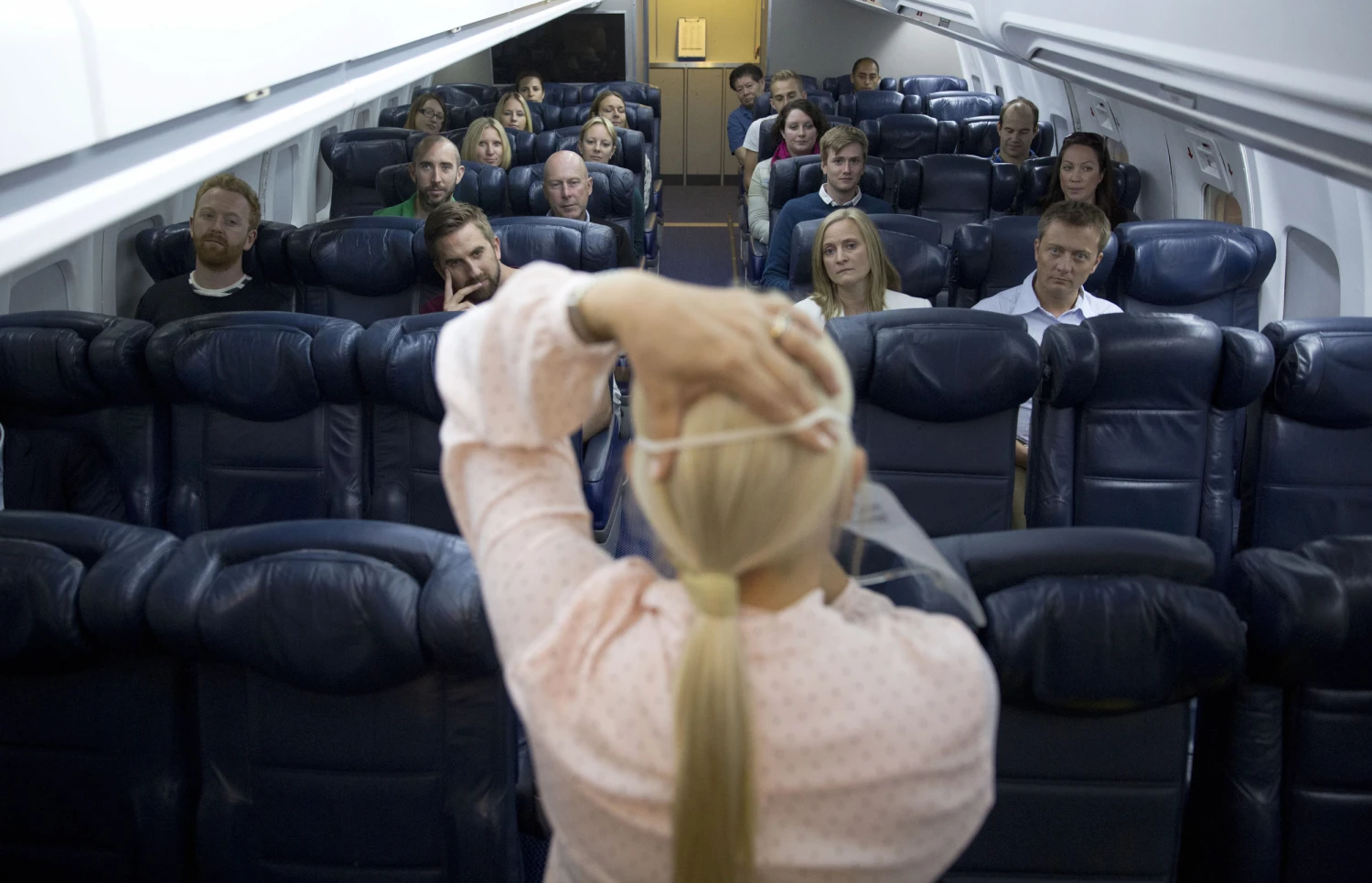
Every flight begins with a safety demonstration. Pay attention even if you have flown before. Aircraft types differ and exit locations may vary. Count the number of rows between your seat and the nearest exit. In low visibility conditions, this knowledge is critical.
If you are traveling with children or elderly passengers, review safety card instructions together. Preparation reduces confusion during real emergencies.
Aviation remains one of the safest modes of transport globally. Strict security screening, trained personnel and continuous monitoring contribute to this safety record. Incidents like bomb scares often end without any actual explosive device being found, but the response must always treat the threat as real.
Takeaways
• Always follow cabin crew instructions without delay
• Leave luggage behind during evacuation orders
• Stay seated with seatbelt fastened during alerts or turbulence
• Cooperate with airport security checks after landing
FAQs
Q1: What should I do if there is a bomb threat on my flight?
Remain calm, follow crew instructions and avoid spreading unverified information. Security agencies handle verification procedures.
Q2: Why is the aircraft moved to an isolation bay?
An isolation bay separates the aircraft from terminals and other planes to minimize potential risk during security inspection.
Q3: Can I use my phone during a security alert?
Follow crew instructions. In certain cases, communication may be restricted temporarily for safety reasons.
Q4: Are bomb threats on flights common?
They are relatively rare, but every threat is treated seriously under strict aviation security protocols.