
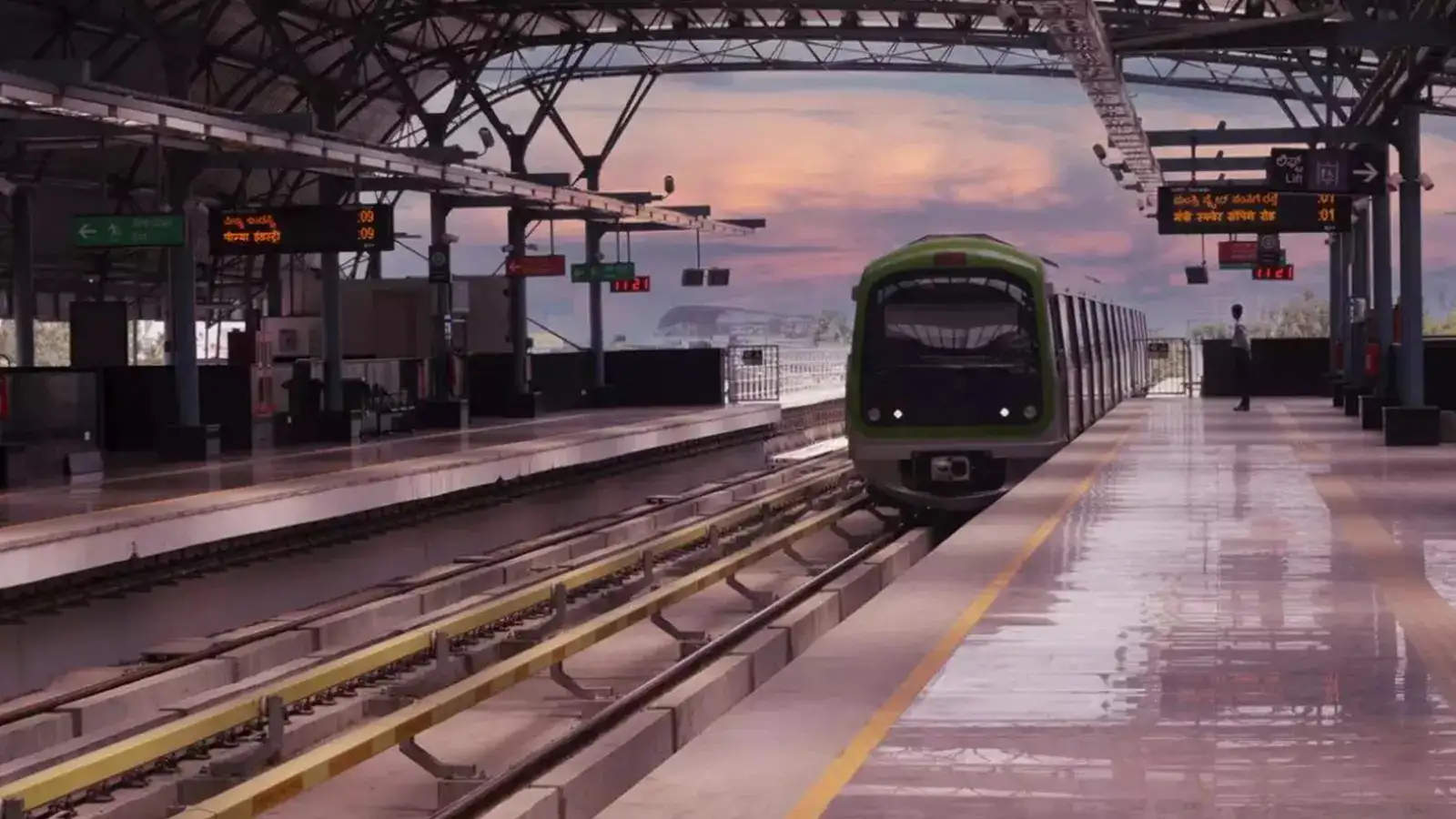

State transport corporations announce fare revisions across multiple routes, affecting lakhs of daily commuters who depend on buses for work, education, and essential travel. The revised fares reflect rising fuel costs and operational expenses, with varied impact across urban and rural routes.
State transport corporations announce fare revisions at a time when public transport systems are facing mounting financial pressure due to higher fuel prices, maintenance costs, and wage bills. For daily commuters in Tier 2 and Tier 3 cities, even a small fare increase can influence monthly travel budgets. The revisions typically apply to ordinary, express, and semi luxury bus categories, with adjustments calculated per kilometer. While transport authorities cite sustainability concerns, passengers are evaluating the affordability of daily travel.
Understanding the reasons behind these revisions helps assess long term implications.
Why State Transport Corporations Revise Bus Fares
Public transport undertakings operate under tight margins. Diesel prices, spare parts, insurance premiums, and employee salaries form the core of operating expenditure. When fuel prices rise consistently, transport corporations often struggle to maintain existing fare structures without incurring losses.
Many state transport bodies carry social responsibility routes connecting rural areas where passenger load is low. These routes are essential but not always profitable. Periodic fare revisions help offset operational deficits and ensure continuity of services.
In addition, modernization initiatives such as introducing electric buses, upgrading depots, and implementing digital ticketing systems require capital investment. Fare rationalization becomes one of the tools used to support these improvements.
Extent of Fare Hike and Route Categories Affected
Fare revisions are usually structured per kilometer. Ordinary buses may see a modest increase per kilometer, while express and air conditioned services may witness a higher adjustment. Minimum ticket prices are also sometimes revised.
In many cases, monthly and concessional passes for students and senior citizens are either partially protected or revised at lower rates to reduce social impact. However, daily wage workers and regular office commuters who purchase single journey tickets may feel the increase more directly.
Inter district and long distance routes are often impacted more than short intra city routes. For commuters traveling 20 to 40 kilometers daily, the cumulative monthly increase can be noticeable.
Impact on Daily Commuters in Tier 2 Cities
Tier 2 cities such as Nagpur, Indore, Mysuru, Coimbatore, and Vijayawada rely heavily on state transport buses for connectivity between suburban areas and city centers. Many commuters do not have access to metro systems or extensive local train networks.
For students, small traders, and factory workers, bus fares constitute a regular fixed expense. A fare hike may push some commuters to explore alternatives such as shared autos, private vans, or two wheelers. However, these options may not always be safer or more cost effective in the long run.
In rural areas, where bus services are the primary mode of public transport, fare revisions may influence travel frequency for non essential trips.
Balancing Financial Sustainability and Public Welfare
Transport corporations must balance financial sustainability with social responsibility. Continuous losses can reduce fleet size, delay maintenance, and affect service reliability. On the other hand, frequent fare hikes may reduce ridership.
Some states attempt to cushion the impact by offering targeted subsidies to specific categories such as women, students, or persons with disabilities. Others cross subsidize ordinary routes with higher fares from premium services.
Long term solutions often include improving fuel efficiency, expanding electric bus fleets, reducing route duplication, and adopting digital ticketing systems to minimize leakage.
Possible Ripple Effects on Local Economy
Fare revisions can indirectly affect the local economy. When commuting costs rise, disposable income decreases for lower and middle income households. This may influence spending patterns in retail and local markets.
Employers located in industrial areas may also feel indirect pressure if workers face higher transport costs. In some cases, companies may explore employee transport arrangements to offset the impact.
At the same time, financially stable transport corporations can maintain service frequency and reliability, which supports economic activity across districts.
What Commuters Can Do
Daily commuters should review monthly pass options if available, as these often provide cost savings compared to purchasing daily tickets. Planning routes efficiently and checking updated schedules can also reduce unnecessary travel expenses.
Citizens can also provide feedback through official grievance portals if fare adjustments lead to service quality concerns.
Takeaways
• State transport corporations revised fares to manage rising operational costs
• Daily commuters in Tier 2 and rural areas may see increased monthly travel expenses
• Student and concessional passes are sometimes protected or moderately revised
• Financial sustainability of transport systems affects long term service reliability
FAQs
Q1. Why do state transport corporations increase bus fares?
Fare revisions are usually linked to rising fuel prices, maintenance costs, and financial losses that affect service sustainability.
Q2. Are student passes affected by fare revisions?
In many cases, student passes are revised at lower rates or partially protected, but details vary by state.
Q3. Will fare hikes reduce bus frequency?
Fare hikes aim to prevent service reduction by improving financial stability, though outcomes depend on overall revenue and policy decisions.
Q4. Are electric buses included in the revised fare structure?
Electric bus fares are generally aligned with category pricing decided by the transport corporation, depending on route and service type.