
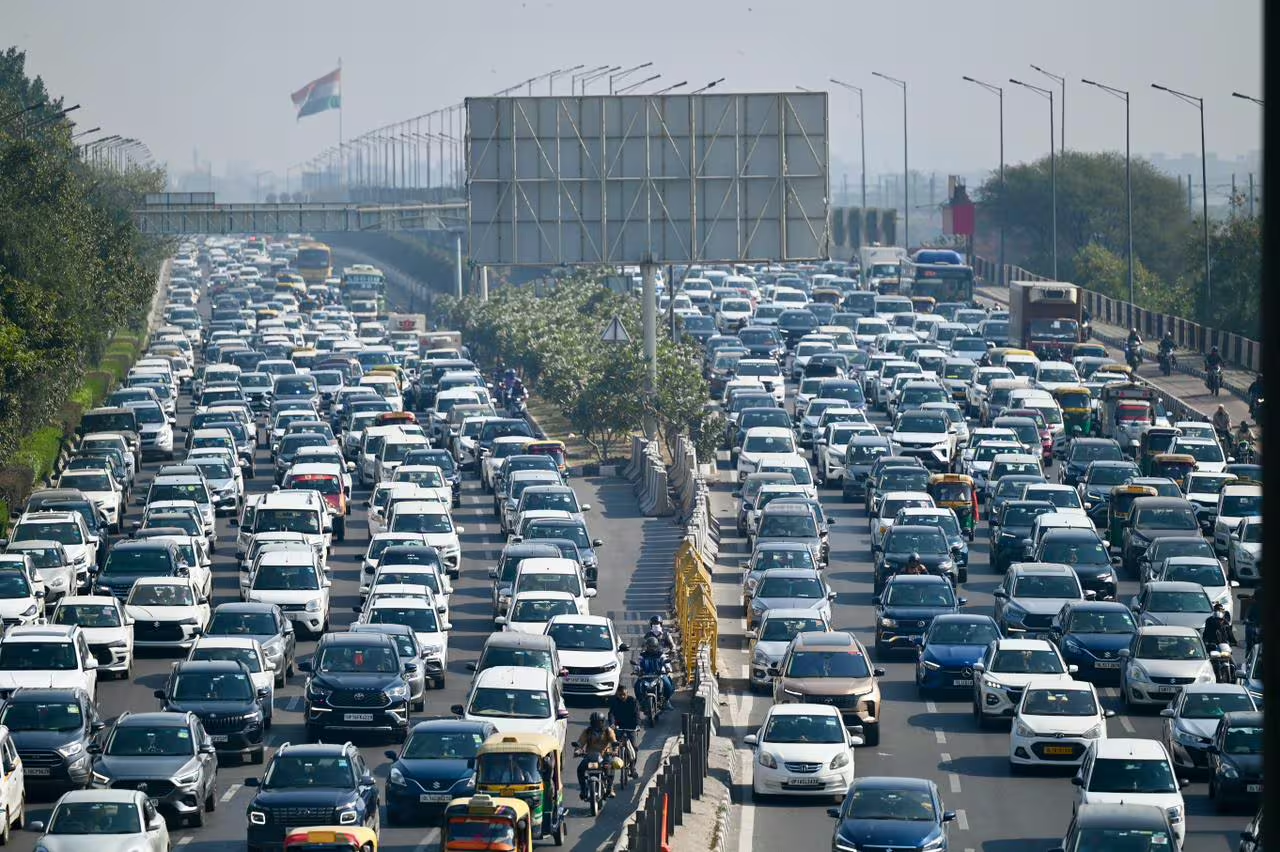

Delhi traffic during AI Summit days has become a key concern for daily commuters as major roads near the event venue face diversions, security restrictions and increased congestion. Here is a clear guide on routes to avoid and practical alternatives to reduce travel delays.
The Delhi traffic advisory issued for the AI Summit days is time sensitive and directly impacts office goers, students, delivery operators and interstate travelers. With high level delegates and increased security deployment in central parts of the city, multiple road stretches are either regulated or temporarily restricted. Planning your route in advance is essential to avoid extended travel time.
Areas Likely to Face Maximum Congestion
The highest traffic pressure is typically seen around Pragati Maidan, India Gate, ITO, Tilak Marg, Mathura Road and surrounding Lutyens Delhi corridors during large government or technology summits. These areas connect to key business districts and central administrative zones.
Mathura Road often experiences slow movement due to diversions toward Ring Road. ITO junction is a known bottleneck even on normal days. During summit security arrangements, signal cycles may be adjusted and certain turns may be restricted.
Commuters traveling from Noida to central Delhi or from South Delhi toward Connaught Place should anticipate delays during peak hours. Office timing overlap between 9 am to 11 am and evening dispersal between 5 pm to 8 pm can intensify congestion.
Routes to Avoid During Peak Summit Hours
Avoid direct entry toward Pragati Maidan and Bhairon Marg unless absolutely necessary. These stretches may witness barricading and controlled entry for authorized vehicles only.
If you are traveling from East Delhi toward central business districts, reconsider using ITO as the primary crossing point during peak hours. Similarly, Tilak Marg and C Hexagon near India Gate can experience traffic regulation due to VIP movement.
Heavy vehicles are often restricted in central Delhi during major events. Commercial drivers should check updated advisories before planning city entries. Delivery operators using central corridors may need to reassign drop schedules or reroute via outer corridors.
Metro Connectivity and Public Transport Alternatives
Delhi Metro is the most reliable alternative during large scale traffic diversions. Stations near the summit venue may have enhanced security checks, but metro travel generally remains unaffected by road congestion.
If your office is within walking distance from a metro station, consider parking near a station in outer Delhi and completing the journey via metro. This park and ride approach significantly reduces exposure to central traffic bottlenecks.
DTC buses and cluster buses continue to operate but may face route diversions. Check real time tracking apps to confirm bus routes. Auto rickshaws and app based taxis may also experience surge pricing during peak congestion.
Best Alternative Road Corridors for Daily Commuters
Instead of entering central Delhi directly, use Ring Road and Outer Ring Road strategically. For example, commuters from Noida heading toward North Delhi may find it faster to use DND Flyway followed by Ring Road rather than cutting through ITO.
South Delhi commuters heading toward Karol Bagh or Patel Nagar can consider using Ring Road via AIIMS and Dhaula Kuan instead of India Gate routes.
If traveling between West Delhi and East Delhi, using the Signature Bridge or Outer Ring Road sections may reduce dependency on central junctions.
Always use live navigation apps before departure. Traffic conditions can change hourly during summit days. Real time updates help avoid sudden barricades or diversions.
Office Timing Adjustments and Remote Work Options
Many organizations in central Delhi adopt flexible working hours during high security events. If possible, request staggered reporting time. Leaving home 45 to 60 minutes earlier than usual can reduce exposure to peak congestion.
Employers in IT, consulting and digital services may temporarily allow remote work during summit days. This reduces load on city infrastructure and benefits employees.
Students appearing for exams or competitive tests in central Delhi should leave significantly earlier than planned. Carry necessary documents to avoid delays at security checkpoints near restricted zones.
Safety and Compliance During Diversions
Follow traffic police instructions strictly. Unauthorized entry into restricted lanes can lead to fines and vehicle impoundment. Keep vehicle documents updated, including driving license, insurance and pollution certificate.
Avoid unnecessary lane changes in congested stretches. Maintain safe distance as sudden braking is common in diversion zones.
If you are using a two wheeler, avoid squeezing through barricaded gaps. Summit security protocols are stricter than normal traffic management.
Keep emergency contact numbers saved and ensure your phone is adequately charged in case you need navigation assistance or emergency communication.
Takeaways
• Central Delhi corridors near Pragati Maidan and India Gate are likely congestion hotspots
• Use Delhi Metro or park and ride options to bypass road traffic
• Ring Road and Outer Ring Road provide better alternatives than inner city routes
• Leave early, monitor live traffic updates and follow police advisories strictly
FAQ
Q1: Which areas are most affected during AI Summit traffic restrictions?
Central Delhi areas including Pragati Maidan, ITO, India Gate and surrounding corridors typically face the highest congestion and security diversions.
Q2: Is Delhi Metro affected during summit days?
Metro services usually continue as normal, though stations near the venue may have enhanced security checks.
Q3: What is the best way to avoid long traffic delays?
Plan routes using Ring Road alternatives, start early and consider switching to metro for the final stretch.
Q4: Are commercial vehicles restricted during major summits?
Heavy vehicles are often restricted from entering central Delhi corridors during high security events. Drivers should check updated advisories before planning trips.