
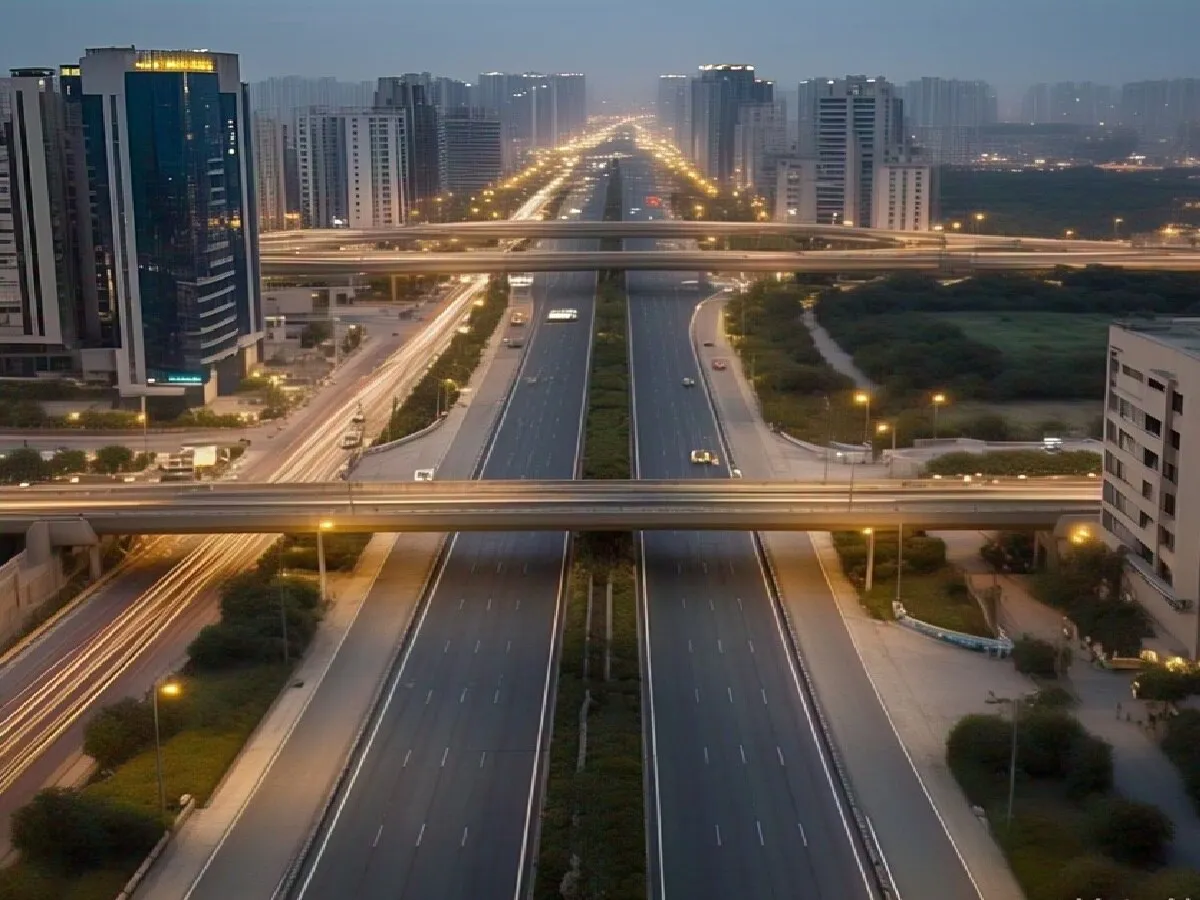

Noida’s ₹250 crore road resurfacing plan is set to upgrade major stretches across the city, aiming to improve driving conditions, reduce vehicle damage and ease daily commuting. The large scale project focuses on repairing worn out roads and strengthening surface quality before peak summer.
Noida’s ₹250 crore road resurfacing plan comes at a time when rising traffic volume and seasonal wear have exposed cracks, potholes and uneven patches across several sectors. The Noida Authority has allocated significant funds to resurface and repair key internal roads and connecting corridors, especially those witnessing heavy daily movement.
Why the Road Resurfacing Plan Was Announced
Over the past few years, Noida has seen rapid urban growth. Residential sectors, commercial complexes and IT parks have increased traffic pressure on arterial roads. Daily commuters traveling between Noida, Greater Noida and Delhi rely heavily on internal sector roads that connect to expressways and metro stations.
Seasonal factors such as monsoon waterlogging and temperature fluctuations accelerate road surface deterioration. Small cracks gradually widen, leading to potholes and uneven patches. These defects not only slow traffic but also increase vehicle maintenance costs.
The ₹250 crore allocation reflects a preventive maintenance strategy. Instead of patchwork repairs, resurfacing entire stretches improves structural strength and extends road life.
Key Areas Likely to Be Covered
The resurfacing plan is expected to prioritize high traffic corridors, internal sector roads and major link roads connecting residential and industrial zones. Areas with recurring complaints about potholes and damaged surfaces are likely to receive early attention.
Arterial roads connecting to the Noida Greater Noida Expressway and key commercial hubs may see resurfacing to ensure smooth flow during peak office hours. Roads near schools, hospitals and metro stations are also critical due to constant footfall and vehicle movement.
In large urban infrastructure projects, authorities typically conduct condition surveys to identify roads requiring immediate resurfacing. Based on such assessments, work is phased to minimize disruption.
What Daily Commuters Can Expect
For daily commuters, the immediate impact may include temporary diversions, lane restrictions and traffic slowdowns during construction hours. Resurfacing work often involves scraping the old top layer, laying fresh bitumen or concrete and allowing curing time.
Authorities generally schedule major work during non peak hours or at night to reduce congestion. However, some inconvenience is unavoidable, especially in densely populated sectors.
Once completed, commuters can expect smoother driving surfaces, reduced vibration and better vehicle stability. Improved road quality can also lower travel time by eliminating slowdowns caused by potholes or damaged stretches.
Impact on Traffic Flow and Safety
One of the primary benefits of road resurfacing is improved road safety. Uneven roads increase the risk of skidding, especially for two wheelers and during rainy conditions. Proper resurfacing enhances grip and reduces water stagnation if drainage systems are maintained effectively.
Clear road markings are usually repainted after resurfacing. Fresh lane demarcations, pedestrian crossings and speed limit indicators improve visibility and traffic discipline.
Better road conditions can also reduce minor accidents caused by sudden braking or swerving to avoid potholes. For emergency vehicles such as ambulances and fire services, smoother roads support faster response times.
Economic and Urban Development Implications
Noida’s infrastructure upgrades are closely tied to its economic positioning as a major IT and business hub in the National Capital Region. Reliable road infrastructure supports logistics, commercial transport and daily workforce mobility.
Improved roads enhance property value perception in residential sectors. Real estate demand often correlates with quality infrastructure, including well maintained roads and connectivity to expressways.
For businesses operating in industrial sectors, smoother internal roads reduce wear and tear on transport vehicles and improve supply chain efficiency. Over time, consistent infrastructure maintenance contributes to investor confidence.
Monitoring Quality and Long Term Maintenance
Large scale resurfacing projects require strict quality checks. Proper compaction, material quality and drainage integration determine how long the new surface will last. If drainage issues are not addressed, water accumulation can weaken freshly laid surfaces.
Residents and resident welfare associations often play a role in monitoring execution quality. Reporting premature damage or incomplete work ensures accountability.
Authorities may also introduce digital monitoring systems or third party audits to track progress and maintain standards. Transparent execution is critical when public funds of this scale are involved.
Challenges and Public Expectations
While the ₹250 crore road resurfacing plan signals strong intent, execution timelines will be closely watched. Delays, contractor inefficiencies or traffic mismanagement can reduce public satisfaction.
Coordination with utility agencies is essential. If underground cable or pipeline work occurs after resurfacing, freshly laid roads may be cut again, reducing durability.
Commuters expect not just temporary repairs but long lasting solutions. Integrating drainage upgrades, proper slope design and durable materials will determine the success of the project.
Takeaways
• The ₹250 crore resurfacing plan aims to upgrade major roads across Noida
• Temporary traffic diversions may occur during construction phases
• Improved road quality enhances safety and reduces vehicle wear
• Long term success depends on quality control and drainage management
FAQs
Q1. Will all roads in Noida be resurfaced?
The plan is expected to prioritize high traffic and damaged stretches first, not every internal road simultaneously.
Q2. How long does road resurfacing typically take?
Duration depends on stretch length and weather conditions, but many projects are executed in phased timelines to reduce disruption.
Q3. Will traffic congestion increase during the work?
Temporary slowdowns and diversions are likely during active construction hours.
Q4. How can residents report poor quality work?
Residents can approach the Noida Authority grievance system or local resident welfare associations to raise concerns.