
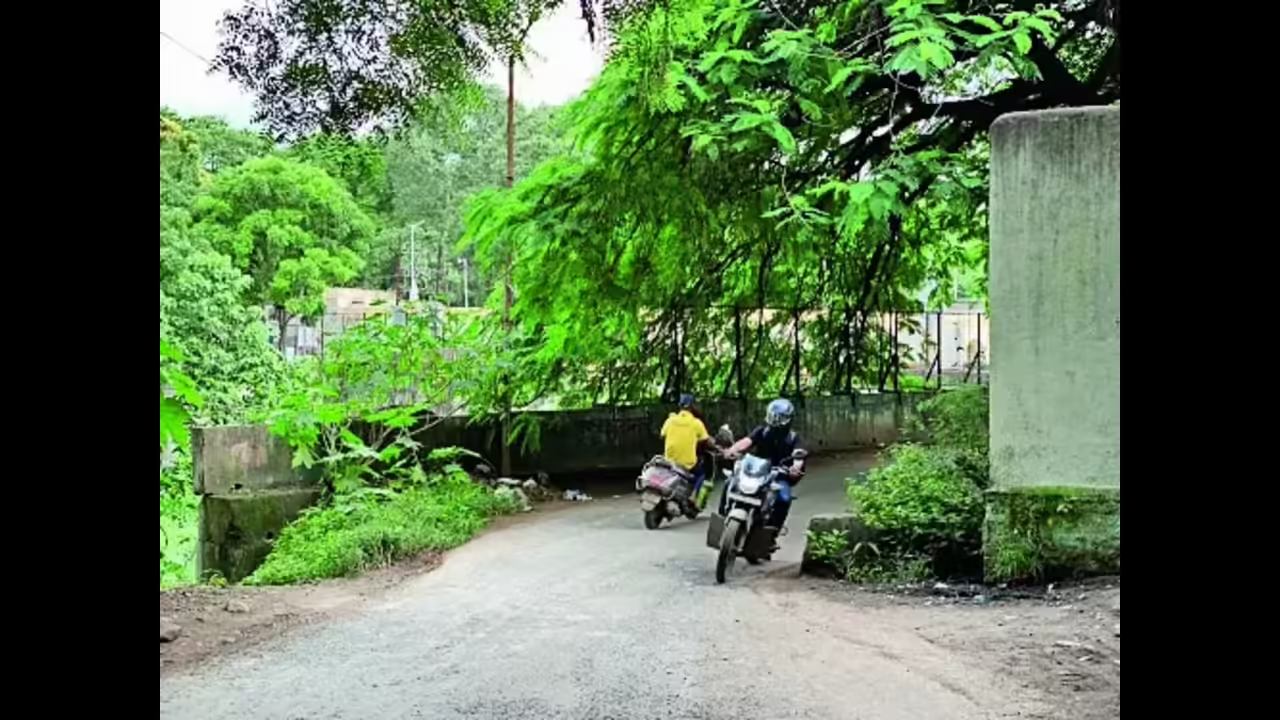

Sambhajinagar RTO has identified 100 road black spots for corrective action in an effort to improve road safety standards. The targeted intervention focuses on accident prone stretches, aiming to reduce fatalities, improve traffic flow and strengthen enforcement across the district.
The Sambhajinagar RTO road safety initiative comes amid rising concerns about frequent accidents at specific junctions and highway segments. A black spot is officially defined as a location where a certain number of road accidents involving fatalities or serious injuries have occurred within a defined period. By identifying and addressing these high risk zones, authorities aim to lower accident rates and enhance commuter safety.
What Are Road Black Spots and Why They Matter
Road black spots are stretches or intersections with a history of repeated accidents. These locations often share common issues such as poor visibility, sharp curves, faulty signage, inadequate lighting or heavy traffic convergence. In urban districts like Sambhajinagar, rapid vehicle growth has intensified pressure on existing road infrastructure.
The Motor Vehicles framework and road safety guidelines require authorities to conduct periodic audits to identify high risk areas. Once flagged, these sites are prioritized for engineering corrections and enforcement drives.
Addressing black spots is one of the most direct ways to reduce road fatalities. Rather than spreading resources thinly across all roads, focusing on accident clusters delivers measurable safety improvements.
How the RTO Identified 100 High Risk Locations
The Sambhajinagar RTO likely used a combination of accident data analysis, police reports and field inspections to shortlist 100 black spots. Traffic accident records typically include details such as location, type of collision, time of day and contributing factors.
Patterns such as repeated rear end collisions at a junction or frequent overturning incidents on a curve indicate design or visibility issues. Once identified, engineers and traffic authorities conduct on site surveys to determine corrective measures.
Public complaints and feedback from local residents also play a role. Areas near schools, markets and highways with heavy goods vehicle movement often emerge as critical zones.
Planned Road Safety Measures and Engineering Corrections
Improving road safety standards at black spots involves both structural and regulatory changes. Engineering measures may include widening narrow stretches, improving road shoulders and resurfacing uneven patches. Installing proper signage, reflective markers and speed breakers at appropriate distances enhances driver awareness.
At intersections, traffic signal recalibration, improved lane markings and installation of blinking warning lights are common solutions. In rural or poorly lit areas, adding street lighting significantly reduces night time accident risk.
Where necessary, crash barriers and guard rails are installed along curves or near water bodies. In some cases, re designing junction geometry helps smooth vehicle movement and reduce conflict points.
Enforcement and Awareness Drives
Infrastructure improvements alone are not enough. The Sambhajinagar RTO is expected to coordinate with traffic police for stricter enforcement at identified black spots. This may include regular speed monitoring, drunk driving checks and helmet and seatbelt enforcement.
Speed is a leading cause of fatal accidents. Installing speed detection cameras or deploying mobile enforcement units near high risk areas acts as a deterrent. Increased patrolling during peak hours also improves compliance.
Public awareness campaigns play a parallel role. Educating drivers about accident prone zones and encouraging responsible behavior can reduce violations. Road safety messages near black spots reinforce caution.
Impact on Daily Commuters
For daily commuters in Sambhajinagar, the identification and correction of 100 black spots can lead to safer travel and smoother traffic flow. Initially, construction work or diversions may cause short term inconvenience.
However, once improvements are completed, commuters can expect better visibility, clearer road markings and more predictable traffic movement. Reduced accident frequency also minimizes sudden traffic snarls caused by collision related blockages.
Transport operators such as bus services and goods carriers benefit from safer routes, reducing delays and vehicle damage. Over time, improved safety standards contribute to lower insurance claims and enhanced public confidence.
Long Term Road Safety Vision
Targeting black spots aligns with broader national road safety goals aimed at reducing fatalities. India has committed to lowering road accident deaths through infrastructure upgrades, enforcement and behavioral change.
For Sambhajinagar, addressing 100 accident prone locations signals a data driven approach. Continuous monitoring will be essential. New black spots may emerge as traffic patterns change, especially with urban expansion and highway upgrades.
Integrating technology such as GIS mapping, traffic sensors and digital reporting platforms can strengthen long term monitoring. Collaboration between the RTO, municipal authorities and public works departments ensures coordinated action.
Challenges in Implementation
While the plan is comprehensive, execution challenges may arise. Budget allocation must translate into timely contracts and quality construction. Poor workmanship or delayed repairs can undermine objectives.
Coordination between agencies is critical. Utility work such as underground cable laying should not disturb newly corrected stretches. Regular audits after implementation ensure that safety measures remain effective.
Community cooperation also matters. Drivers must adhere to speed limits and lane discipline for infrastructure upgrades to deliver full impact.
Takeaways
• Sambhajinagar RTO has identified 100 accident prone black spots for corrective action
• Engineering upgrades and stricter enforcement aim to reduce fatalities
• Commuters may face short term diversions but long term safety benefits
• Continuous monitoring is essential to maintain improved road safety standards
FAQs
Q1. What qualifies as a road black spot?
A black spot is a location with repeated serious accidents within a defined time period, indicating a high risk zone.
Q2. Will traffic be disrupted during repairs?
Temporary diversions or slowdowns may occur during corrective work.
Q3. How do engineering measures improve safety?
Better signage, lighting, road widening and signal management reduce collision risks.
Q4. Can citizens report new accident prone areas?
Yes, residents can inform local traffic police or RTO offices about frequent accident locations for review.