

Holi 2026 dry day rules varied across Indian cities as state governments enforced local liquor regulations during the festival. While several cities ordered liquor shop closures for public safety, others allowed limited sales depending on state level excise policies and holiday regulations.
Holi 2026 dry day rules became a key point of attention for many residents as state governments issued different guidelines on liquor sales during the festival. In India, alcohol sale regulations are controlled by state excise departments, which means dry day rules often differ from one city or state to another. During major festivals such as Holi, authorities sometimes impose temporary restrictions on liquor sales to maintain public order and reduce incidents related to excessive drinking.
Understanding Dry Day Rules During Holi in India
Dry day rules during Holi refer to government orders that temporarily stop the sale of alcohol at liquor stores, bars, and retail outlets. These rules are enforced through state excise departments and local administration.
A dry day does not always mean alcohol consumption is illegal. Instead, it mainly restricts the commercial sale of liquor. Individuals who purchased alcohol before the dry day can still consume it in private spaces where local laws permit.
Authorities usually declare dry days during national holidays, election days, and certain religious festivals. The goal is to maintain law and order, particularly during events that involve large public gatherings.
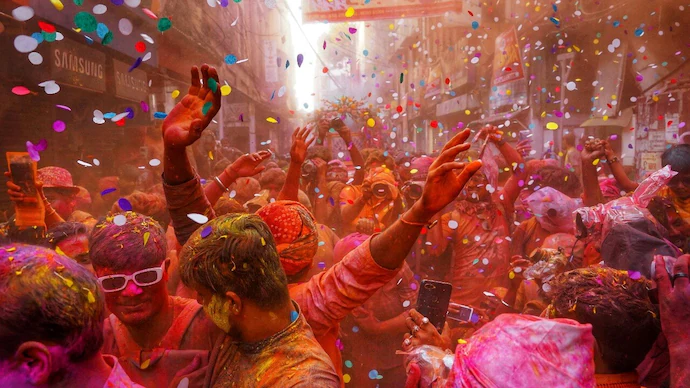
Holi celebrations often include street events, music gatherings, and community festivals. Because these celebrations attract large crowds, some states choose to restrict alcohol sales temporarily to reduce safety risks.
Cities Where Liquor Shops Were Closed on Holi 2026
Several major Indian cities implemented dry day restrictions during Holi 2026. State governments and local authorities ordered liquor shops, bars, and alcohol retail outlets to remain closed for a specific period on the day of the festival.
In cities such as Delhi, excise rules commonly require liquor shops to shut on Holi as part of the annual dry day schedule. Similar rules were followed in several northern states where the festival is widely celebrated with large public gatherings.
Local police departments and excise officers monitored retail outlets to ensure compliance with the closure orders. Businesses that violate dry day rules may face fines or temporary suspension of their liquor licenses.
These restrictions usually last for one full day or for specific hours during the festival. Once the dry day period ends, liquor stores are allowed to resume normal operations.
Cities Where Liquor Sales Continued With Regulations
While some cities enforced complete closures, other regions allowed liquor sales during Holi with standard operating rules. Since alcohol regulation is handled by state governments, some states do not classify Holi as a mandatory dry day.
In these cities, liquor shops and bars operated normally but were expected to follow public safety guidelines. Local authorities often increase monitoring during festivals to prevent disorderly behavior.
Tourist destinations and metropolitan cities sometimes avoid declaring dry days during festivals because of hospitality industry considerations. Restaurants, hotels, and nightlife venues rely on festival tourism and therefore operate under regulated conditions rather than full closures.
However, even in cities where liquor shops remain open, public drinking in certain areas may still be restricted under local law enforcement rules.
How Dry Day Rules Are Decided by State Governments
Dry day decisions are taken by state excise departments based on local administrative considerations. Each state publishes an annual list of dry days that includes national holidays, election dates, and selected religious festivals.
District authorities can also impose additional temporary restrictions depending on local law and order conditions. For example, areas expecting large public celebrations may impose stricter rules compared to smaller towns.
Excise departments communicate these decisions to liquor vendors in advance so that shops can prepare for closures or adjusted operating hours.
Because India has a federal system where states control alcohol regulation, festival related liquor policies vary significantly across regions.
What Residents Should Know About Festival Liquor Rules
Residents planning celebrations during Holi should check local government notifications regarding liquor sales and dry day rules. These notices are usually published through state excise department websites and local administration announcements.
Purchasing alcohol before the dry day period begins is allowed in most states where Holi closures are announced. However, transporting alcohol across state borders may require compliance with quantity limits set by excise authorities.
Hotels and licensed clubs may have separate operating rules depending on local licensing conditions. Visitors attending Holi celebrations in different cities should confirm local regulations before making plans.
Understanding these rules helps residents and visitors avoid penalties and ensures that celebrations remain safe and compliant with local laws.
Takeaways
Dry day rules during Holi vary depending on state excise policies
Some cities closed liquor shops temporarily to maintain public safety
Other cities allowed alcohol sales with normal regulations
Residents should check local government notifications for festival rules
FAQs
What does a dry day mean in India
A dry day means liquor shops, bars, and retail outlets are not allowed to sell alcohol for a specified period under government order.
Is alcohol consumption illegal on a dry day
Consumption is usually not illegal in private spaces, but commercial sale of alcohol is restricted during the dry day period.
Who decides dry day rules in India
State excise departments and local authorities decide dry day rules based on public safety and administrative considerations.
Why are dry days declared during festivals
Dry days are sometimes declared during festivals to maintain law and order and reduce alcohol related disturbances during large public gatherings.